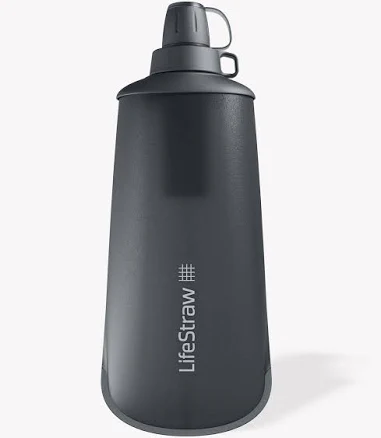
LifeStraw Peak Series Collapsible Squeeze Filter Bottle
Low risk likely, but brand does not disclose materials.
LifeStraw uses polyamide plastic and carbon filtration without standard PFAS-containing coatings. However, LifeStraw provides no explicit PFAS statements or third-party material verification.
We flunk more products than we pass. This one earned its grade. How we grade
Material
Polyamide plastic bottle, carbon-based filter media
Lab data
No public lab test
What LifeStraw Peak Series Collapsible Squeeze is made of, ingredients and materials
The LifeStraw Peak Series uses polyamide (nylon) plastic for the bottle body and a carbon-based filter media. Polyamide is a durable engineering plastic chosen for its heat resistance and mechanical strength in outdoor products, but it can leach small amounts of oligomers (incomplete polymer chains) when in contact with liquid, particularly if exposed to prolonged heat or acidic water. The carbon filter itself is inert once activated and does not shed carbon particles into water at normal flow rates when properly maintained.
What’s concerning
No PFAS disclosure
No public statement from the brand about PFAS in this product.
Polyamide (nylon) oligomer leaching
Polyamide can shed small cyclic oligomers into water, especially under heat or prolonged contact. LifeStraw has not published migration testing data for the Peak Series. Risk is low in typical room-temperature use but increases if the bottle is filled with hot water and left sealed for hours.
Bacterial or mold growth in filter cartridge
Carbon-based filters are porous and can harbor bacteria or mold if the bottle is not rinsed regularly, water is left standing, or filters exceed replacement intervals. This is a maintenance issue rather than a material defect, but lack of clear usage labeling increases risk for casual users.
Filter seal integrity degradation
The collapsible design and repeated squeeze cycles can stress the rubber or silicone seals around the filter cartridge over months of use. A degraded seal allows unfiltered water to bypass the carbon media, defeating the purpose of the filter without obvious visual warning.
What’s reassuring
Base material not linked to PFAS
The main material recorded for this product is not one associated with PFAS.
Carbon particle shedding
No published recalls or incidents of visible carbon powder in water from the LifeStraw Peak Series. Proper filter installation and flow rates prevent shedding, but no third-party testing is publicly available to verify this claim.
Plastic off-gassing (VOCs)
Polyamide does not typically release volatile organic compounds at room temperature after initial manufacturing. LifeStraw products undergo the standard rinse-before-use step; no specific odor or off-gassing complaints are documented for the Peak Series.
The full breakdown
The brand's record and disclosure
LifeStraw (owned by Vestergaard) has not publicly disclosed detailed material composition or testing for leachables beyond marketing claims of safety. The brand has faced no major recalls or documented contamination incidents tied to the Peak Series bottle itself. However, the company remains silent on PFAS content in filter media or bottle components, which is common across the filtration industry but limits independent verification of true chemical safety profiles.
How it compares in its category
Collapsible squeeze bottles occupy a middle ground in safety, they avoid the glass fragility and aluminum leaching concerns of metal bottles, but introduce polymer leaching risk absent in traditional hard plastics. Compared to single-use bottled water, LifeStraw's carbon filtration reduces contaminant exposure for many users; compared to laboratory-tested pitcher filters or whole-home systems, it offers less certainty about what is being removed and what the plastic itself contributes. The collapsible design trades some durability for portability, which can affect filter seal integrity over time.
If you buy it
Replace the filter every 264 gallons (or 3-4 months, whichever comes first) per manufacturer guidance; do not leave standing water in the bottle for weeks, as stagnant conditions can encourage bacterial growth in the filter matrix. Avoid storing hot water above 60 degrees Celsius in the polyamide bottle for extended periods; this may increase oligomer leaching. Inspect the squeeze mechanism and filter housing for cracks or clouding each use, as compromised seals reduce filtration efficacy. Rinse the bottle weekly with clean water even if in active use.
What we don’t know
- Basis
- Model estimate, 72% confidence, not a lab result
- Lab test
- None on record for this exact product
- Brand statement
- LifeStraw has made a specific claim
Formulations change between production runs, so check the current label. How we grade.
Better-graded alternatives in Water Filters
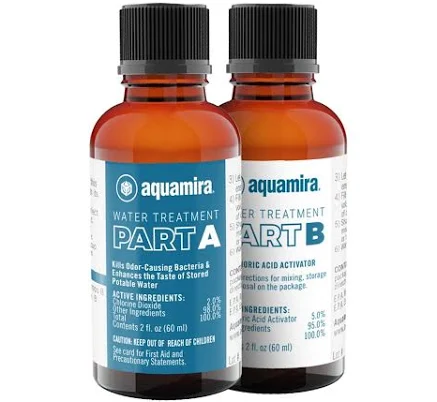
Aquamira
Water Storage Treatment 2 oz Glass Bottles 60 gallons Purification
- glass bottles, sodium dichloroisocyanurate treatment chemical
- We found no PFAS statement from the brand
- Chemical overdose or misuse
5 hazards checked on this product. See all of them.
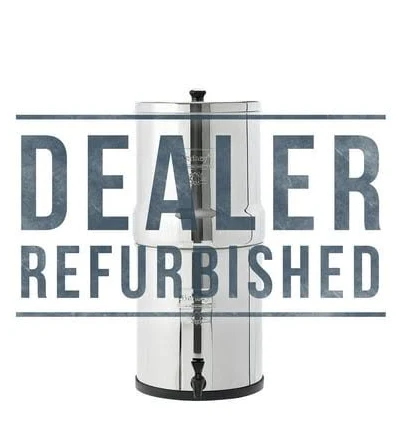
Big Berkey
Empty Housing with NO Filters Included
- Stainless steel housing and spigot
- We found no PFAS statement from the brand
- Bacterial growth and biofilm if filters not replaced
5 hazards checked on this product. See all of them.
LifeStraw
Home Glass Water Filter Pitcher
- Borosilicate glass pitcher, replaceable activated-carbon filter cartridge
- Bacterial growth in filter cartridge if unmaintained
5 hazards checked on this product. See all of them.
More water filters grades
How we score, every product runs through the same public 0-100 rubric based on materials, coatings, brand disclosure, lab findings, and recalls. See the full methodology → Spotted a mistake? Report an error.