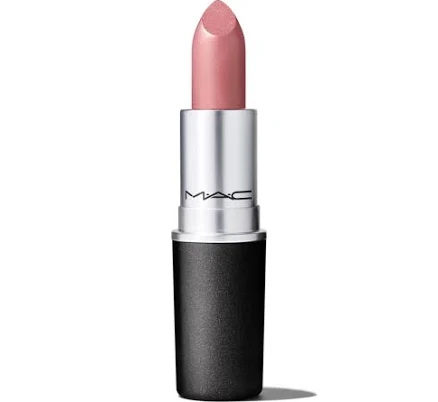
MAC Frost Lipstick
Lower risk from standard lipstick formula, though MAC makes no PFAS statement.
This standard lipstick has no water-resistant or nonstick features that typically require PFAS. MAC offers no public PFAS disclosure, but traditional wax-and-oil formulas carry lower PFAS risk than waterproof versions.
We flunk more products than we pass. This one earned its grade. How we grade
Material
wax, oils, pigments, emollients (typical lipstick base)
Lab data
No public lab test
You may also be interested in
Top-graded picks in the categories readers replace first, every one scored on the same rubric.

- polypropylene filter housing, carbon/sediment cartridge
- We found no PFAS statement from the brand
- Bacterial growth in spent cartridges
3 hazards checked on this product, all on its full breakdown.

Aquasure
Premier Series 75 GPD Under Sink Reverse Osmosis Water Filtration System
- RO membrane, carbon filters, stainless steel housing
- We found no PFAS statement from the brand
- Bacterial and microbial growth in housing and filters
4 hazards checked on this product, all on its full breakdown.

Avocado
Vegan Mattress
- organic cotton, natural latex, coconut coir, recycled steel coils
- The brand calls it PFAS-free, which we have not verified
- Heavy metals
2 hazards checked on this product, all on its full breakdown.
What MAC Frost Lipstick is made of, ingredients and materials
MAC Frost Lipstick is a traditional wax-based formulation combining natural and synthetic waxes (likely beeswax, candelilla, or carnauba), emollient oils, and colorant pigments. The 'Frost' finish typically uses mica and iron oxides or synthetic dyes to create shimmer and opacity. This combination is standard across prestige lipsticks and poses minimal risk during normal lip application since lipstick has limited skin penetration and low ingestion rates (most is wiped off or transferred).
What’s concerning
Category baseline
The starting point for this type of product, before anything specific to this product is counted.
No PFAS disclosure
No public statement from the brand about PFAS in this product.
Lead
Lipstick pigments, especially iron oxides, synthetic organic dyes, and mica, can carry trace heavy metals as manufacturing byproducts. MAC does not publish heavy metal test results. Exposure is low due to limited ingestion (most lipstick is removed or transferred to cups/hands), but chronic users with frequent reapplication may accumulate minor exposure over years.
Source, ATSDR ↗Azo dyes and synthetic colorants (allergic sensitization)
Frost finishes often rely on synthetic azo dyes or coal-tar colorants (permitted under FDA regulations) to achieve opacity and longevity. These can trigger contact dermatitis or lip sensitivity in predisposed individuals, though reactions are uncommon. MAC does not disclose specific dye chemistry for individual shades.
Fragrance and flavor oils (allergen, aspiration risk)
Many MAC lipsticks contain fragrance compounds and flavoring agents (vanilla, mint, fruit extracts) that can provoke allergic contact dermatitis or mild lip irritation. No risk of systemic toxicity from normal use, but individuals with sensitive lips or known fragrance allergies should patch-test first.
What’s reassuring
Base material not linked to PFAS
The main material recorded for this product is not one associated with PFAS.
Bacterial or mold growth if contaminated during storage
Lipsticks are low-water formulations that resist microbial growth if kept sealed and cool. Risk emerges only if the product is exposed to moisture, left uncapped in humid environments, or contaminated through sharing. Normal usage and storage pose negligible risk.
Talc contamination (if talc-based formula)
MAC Frost Lipstick does not list talc as a primary ingredient; most modern prestige lipsticks have shifted away from talc due to inhalation and ovarian cancer concerns. If present in trace amounts as a glidant, exposure is negligible during topical lip application.
How is this PFAS grade calculated?
The brand's record and disclosure
MAC (owned by Estée Lauder) does not publicly disclose detailed ingredient sourcing, heavy metal testing, or supply-chain certifications beyond compliance with FDA cosmetic regulations. The brand has not faced documented safety recalls or contamination incidents specific to lipstick lines in recent years. MAC does not certify products as cruelty-free or claim third-party safety testing for heavy metals or dyes, limiting transparency compared to indie or clean beauty competitors.
How it compares in its category
MAC Frost Lipstick sits in the mainstream prestige segment. It is comparable in safety profile to Dior, NARS, and Charlotte Tilbury lipsticks, all of which use similar wax-pigment bases with minimal public disclosure. It has higher disclosure standards than many mass-market drugstore brands but lower third-party certification than cruelty-free or natural brands like RMS Beauty or Axiology. No independent testing data distinguishes MAC lipsticks as having higher or lower PFAS concern than peers.
If you buy it
Store in a cool, dry place away from direct sunlight to prevent wax separation or oil migration. Avoid extreme heat (car interiors above 75F can soften the stick). Replace every 1-2 years or sooner if the color shifts, smells rancid, or crumbles, as oxidized oils increase minor irritation risk. Do not share with others to reduce bacterial and fungal cross-contamination risk. If you experience persistent redness, swelling, or itching, discontinue and patch-test on a less sensitive area first.
What is not known about PFAS in this product?
- Basis
- Model estimate, 72% confidence, not a lab result
- Lab test
- None on record for this exact product
- Brand statement
- MAC has made a specific claim
Formulations change between production runs, so check the current label. How we grade.
More lipstick grades
How we score, every product runs through the same public 0-100 rubric based on materials, coatings, brand disclosure, lab findings, and recalls. See the full methodology → Spotted a mistake? Report an error.