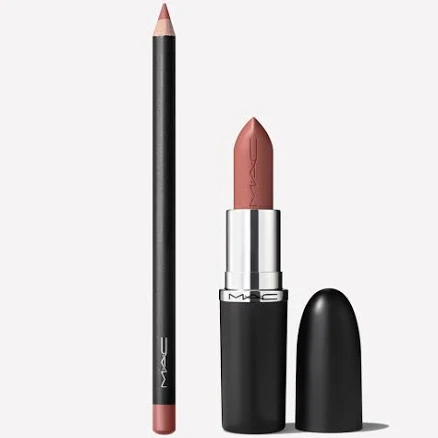
MAC Sleek Satin Lip Set
Lower risk for typical cosmetic formula without known PFAS drivers, though brand remains silent on PFAS.
MAC's liquid lipstick uses pigments, oils, and emollients without documented water-repelling coatings or special additives triggering PFAS use. No water-resistance or extreme-durability claims appear on the product, and MAC publishes no PFAS information.
We flunk more products than we pass. This one earned its grade. How we grade
Material
liquid/cream lipstick with standard pigments and emollients
Lab data
No public lab test
You may also be interested in
Top-graded picks in the categories readers replace first, every one scored on the same rubric.

- polypropylene filter housing, carbon/sediment cartridge
- We found no PFAS statement from the brand
- Bacterial growth in spent cartridges
3 hazards checked on this product, all on its full breakdown.

Aquasure
Premier Series 75 GPD Under Sink Reverse Osmosis Water Filtration System
- RO membrane, carbon filters, stainless steel housing
- We found no PFAS statement from the brand
- Bacterial and microbial growth in housing and filters
4 hazards checked on this product, all on its full breakdown.

Avocado
Vegan Mattress
- organic cotton, natural latex, coconut coir, recycled steel coils
- The brand calls it PFAS-free, which we have not verified
- Heavy metals
2 hazards checked on this product, all on its full breakdown.
What MAC Sleek Satin Lip Set is made of, ingredients and materials
MAC Sleek Satin Lip Set is a liquid or cream-based lipstick formulation using conventional pigments (iron oxides, mica, FD&C approved colorants) suspended in emollients and film-formers typical of the category. These materials are regulated under FDA cosmetic guidelines and have a long safety track record in lip products. The 'satin' finish indicates a matte or semi-matte modifier, usually silica or silicone polymers, which pose no inherent hazard at cosmetic use levels.
What’s concerning
Category baseline
The starting point for this type of product, before anything specific to this product is counted.
No PFAS disclosure
No public statement from the brand about PFAS in this product.
Fragrance allergens and sensitizers
MAC lipsticks typically contain fragrance compounds, which can trigger contact dermatitis or lip irritation in sensitive individuals. The brand does not disclose fragrance ingredient lists (protected as trade secret under FDA rules), preventing identification of specific sensitizers.
Coating or formula instability causing separation or contamination
Liquid lipsticks can separate or degrade if stored improperly, potentially allowing bacterial or mold growth. This is a usage and storage issue rather than a manufacturing defect, but users should discard product showing visible separation or odor changes.
What’s reassuring
Base material not linked to PFAS
The main material recorded for this product is not one associated with PFAS.
Lead
FDA-approved colorants and iron oxides used in cosmetic-grade lipsticks are subject to purity limits. No recalls or independent testing results flagging MAC Sleek Satin Lip Set for heavy metal exceedance are on record. Risk is theoretical rather than documented.
Source, ATSDR ↗1,4-dioxane (industrial contaminant in emulsifiers)
Liquid lipstick formulations may use polysorbate or PEG-based emollients that can harbor 1,4-dioxane as a byproduct of synthesis. No testing data or regulatory action specific to MAC lipsticks exists; this remains a category-level rather than product-specific concern.
Formaldehyde / VOCs
Modern cosmetic preservative systems have largely phased out formaldehyde donors in favor of alternatives with lower concern for formaldehyde-related hazards. MAC, as a major brand, is unlikely to rely on outdated preservatives, but the brand does not confirm this publicly for individual products.
Source, ATSDR ↗How is this PFAS grade calculated?
The brand's record and disclosure
MAC (Estée Lauder group) does not publicly disclose detailed ingredient sourcing, heavy metal testing, or PFAS avoidance commitments for individual products. The brand has faced no major safety recalls for lipsticks in recent years. MAC does not list certifications such as clean beauty or third-party heavy metal testing on this line, placing it in the mainstream cosmetics transparency tier rather than premium disclosure.
How it compares in its category
Liquid and cream lipsticks are among the lowest-risk cosmetic formats because they are not inhaled and require minimal additive complexity. MAC's formulations align with industry standards; comparable alternatives from Revlon, Charlotte Tilbury, and drugstore brands carry equivalent hazard profiles. Independent heavy metal testing of MAC lipsticks has not been widely published, so relative ranking is difficult; the brand is neither flagged nor distinguished for purity in third-party cosmetic safety reviews.
If you buy it
Store away from direct heat and sunlight to prevent emollient separation or pigment breakdown. Lipsticks typically need replacement every 1-2 years or if the texture changes, separates, or develops an off odor, signs of degradation or bacterial colonization. Avoid using if you have known sensitivities to fragrance or dyes; patch-test if prone to lip irritation. Do not ingest; swallowing small amounts during normal use is low-risk but the product is not formulated for ingestion.
What is not known about PFAS in this product?
- Basis
- Model estimate, 72% confidence, not a lab result
- Lab test
- None on record for this exact product
- Brand statement
- MAC has made a specific claim
Formulations change between production runs, so check the current label. How we grade.
More lipstick grades
How we score, every product runs through the same public 0-100 rubric based on materials, coatings, brand disclosure, lab findings, and recalls. See the full methodology → Spotted a mistake? Report an error.