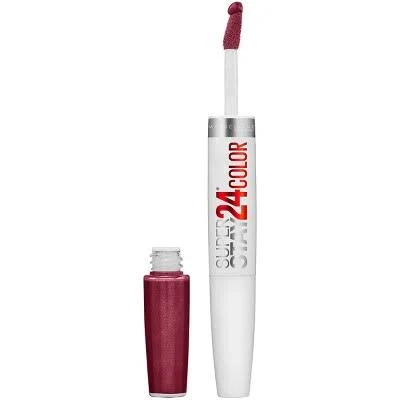
Maybelline SuperStay · Lipstick
Maybelline SuperStay 24 2-Step Lipstick
Avoid until Maybelline discloses PFAS use in waterproofing agents.
This waterproof two-step lipstick is marketed for 24-hour hold, a claim historically achieved using PFAS-based water-repellent coatings in cosmetics. Maybelline provides no public disclosure of PFAS ingredients or alternatives, leaving waterproofing chemistry unspecified.
The better-graded swap
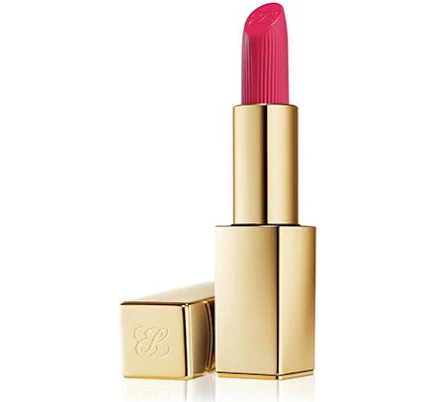
Estée Lauder
Estee Lauder Pure Color Creme Lipstick
75/100 safety
Same rubric that flunked this product. The swap earned Excellent.
Still want this one anyway? Check the price on Amazon. We’d swap it.
Material
film-forming polymers, liquid pigments, waxes, oils in a two-step long-wear system
Brand disclosure
Brand is silent on PFAS
Lab data
No public lab test
You may also be interested in
Top-graded picks in the categories readers replace first, every one scored on the same rubric.

- polypropylene filter housing, carbon/sediment cartridge
- We found no PFAS statement from the brand
- Bacterial growth in spent cartridges
3 hazards checked on this product, all on its full breakdown.

Aquasure
Premier Series 75 GPD Under Sink Reverse Osmosis Water Filtration System
- RO membrane, carbon filters, stainless steel housing
- We found no PFAS statement from the brand
- Bacterial and microbial growth in housing and filters
4 hazards checked on this product, all on its full breakdown.

Avocado
Vegan Mattress
- organic cotton, natural latex, coconut coir, recycled steel coils
- The brand calls it PFAS-free, which we have not verified
- Heavy metals
2 hazards checked on this product, all on its full breakdown.
What Maybelline SuperStay 24 2-Step Lipstick is made of, ingredients and materials
SuperStay 24 is a two-step system, a liquid color base (film-forming polymers, pigments, oils) plus a clear topcoat to lock color and extend wear. The film-forming polymers create the waterproof barrier that defines long-wear performance, but manufacturers rarely disclose whether these polymers contain PFAS (PFAS "forever chemicals") for water and oil resistance. Pigments in lip color can include synthetic iron oxides, titanium dioxide, or mica-based colorants; some formulations historically used heavy metals like lead or cadmium as impurities in cheaper pigment batches, though modern cosmetics regulations make this less common in major brands.
What’s concerning
Category baseline
The starting point for this type of product, before anything specific to this product is counted.
No PFAS disclosure
No public statement from the brand about PFAS in this product.
Waterproof / stain-resistant treatment
Water-repellent coating treatments have historically used PFAS.
PFAS
Maybelline has not disclosed PFAS content; long-wear lipstick waterproofing almost always relies on fluorinated polymers or PFAS-derived surfactants. Without brand transparency, assume possible PFAS exposure through absorption via lips and ingestion.
Source, ATSDR ↗Lead
Iron oxide and mica pigments can carry trace heavy metal impurities; no public testing data for SuperStay 24 is available. Risk is lower in major brands than in unregulated products, but third-party verification is absent.
Source, ATSDR ↗Fragrance allergens and undisclosed fragrance components
SuperStay formulas contain fragrance/flavor agents typically not individually listed on packaging. Common lip color allergens include cinnamyl alcohol, limonene, and linalool; sensitive individuals may react without ingredient-level transparency.
Microplastic particles in pigment or glitter additives
If SuperStay 24 contains shimmer or sparkle, synthetic plastic microbeads may be present; these are ingested during lip wear and contribute to microplastic body burden. Maybelline does not disclose microplastic use.
What’s reassuring
Formaldehyde / VOCs
No recalls or reports of formaldehyde in SuperStay lipsticks on record. Modern cosmetic preservatives in this category typically use gentler systems, but Maybelline does not publicly specify which preservatives are used.
Source, ATSDR ↗How is this PFAS grade calculated?
The brand's record and disclosure
Maybelline (owned by L'Oreal) has not publicly disclosed PFAS use in any SuperStay products, despite PFAS becoming a major transparency issue in cosmetics since 2021. The brand holds no third-party certifications for heavy metal testing, fragrance allergen labeling, or PFAS exclusion. No major recalls of SuperStay 24 lipsticks for heavy metal contamination or toxic volatile compounds have been reported, but absence of a recall does not confirm safety testing.
How it compares in its category
Long-wear lipsticks inherently carry higher PFAS risk than traditional formulas because waterproofing requires specialty chemicals; SuperStay is mainstream and affordable, making it a common choice, but competitors like MAC Fix+ or Fenty Beauty Beauty Beauty offer similar wear claims. Brands that explicitly exclude PFAS (e.g., some indie cosmetics) or conduct third-party heavy metal testing are rarer in the mass-market segment. SuperStay's two-step system is typical of its price range and does not inherently signal lower or higher toxicity risk than single-step alternatives.
If you buy it
Patch-test on inner lip or arm 24 hours before full application to catch irritation or allergic responses to fragrance or film-forming polymers. Do not use on broken or very irritated lip skin, as occlusive long-wear formulas can trap bacteria. Replace every 2-3 years or if the formula separates, dries out, or develops odor, as older cosmetics can degrade and harbor microbes. Avoid ingesting residue; while occasional lip color swallowing is low-risk, long-wear formulas coat the mouth longer and should not be treated as food-safe.
What is not known about PFAS in this product?
- Basis
- Model estimate, 35% confidence, not a lab result
- Lab test
- None on record for this exact product
- Brand statement
- Maybelline SuperStay has made none
Formulations change between production runs, so check the current label. How we grade.
What are the PFAS-free alternatives to Maybelline SuperStay 24 2-Step Lipstick?
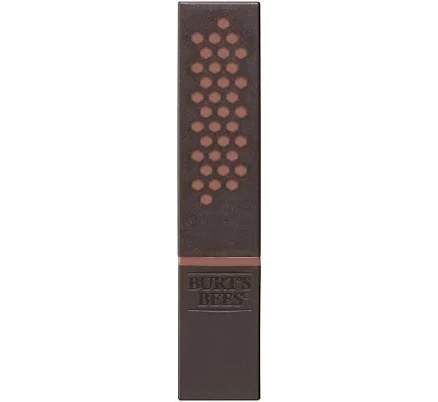
- Wax, oils, pigments, beeswax base
- Fragrance allergens (essential oils, fragrance compounds)
2 hazards checked on this product, all on its full breakdown.
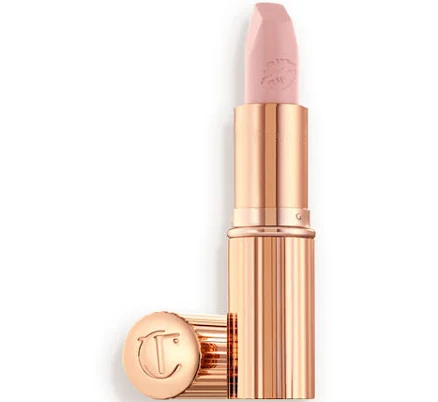
- Wax, oils, pigments, and traditional cosmetic binders
- Lead
3 hazards checked on this product, all on its full breakdown.
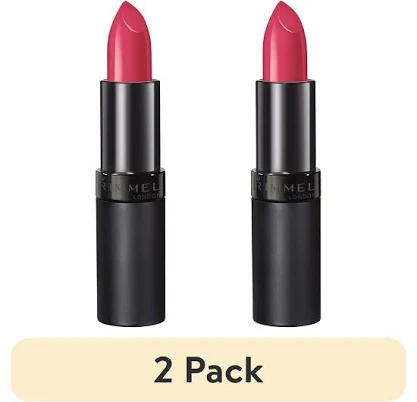
- pigments, waxes, oils in lipstick base
- We found no PFAS statement from the brand
- Formaldehyde / VOCs
3 hazards checked on this product, all on its full breakdown.
More lipstick grades
How we score, every product runs through the same public 0-100 rubric based on materials, coatings, brand disclosure, lab findings, and recalls. See the full methodology → Spotted a mistake? Report an error.