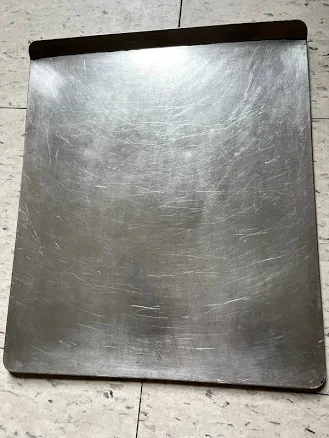
You Choose Rema / Mirro / Wearever Air Bake & No Air Bake Cookie Sheet, Is It Non-Toxic?
Coating identity unknown; brand hasn't addressed PFAS.
These Mirro aluminum cookie sheets use an unidentified non-stick coating with no brand transparency about PFAS or formulation. Assessment is impossible without disclosure.
The better-graded swap
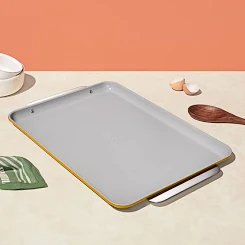
Caraway
Caraway Nonstick Ceramic Large Baking Sheet
90/100 safety
Same rubric that flunked this product. The swap earned Excellent.
Still want this one anyway? Check the price on Amazon. We’d swap it.
Material
Aluminum sheet with unspecified nonstick coating
Brand disclosure
Brand is silent on PFAS
Lab data
No public lab test
You may also be interested in
Top-graded picks in the categories readers replace first, every one scored on the same rubric.

- polypropylene filter housing, carbon/sediment cartridge
- We found no PFAS statement from the brand
- Bacterial growth in spent cartridges
3 hazards checked on this product, all on its full breakdown.

Aquasure
Premier Series 75 GPD Under Sink Reverse Osmosis Water Filtration System
- RO membrane, carbon filters, stainless steel housing
- We found no PFAS statement from the brand
- Bacterial and microbial growth in housing and filters
4 hazards checked on this product, all on its full breakdown.

Avocado
Vegan Mattress
- organic cotton, natural latex, coconut coir, recycled steel coils
- The brand calls it PFAS-free, which we have not verified
- Heavy metals
2 hazards checked on this product, all on its full breakdown.
Is You Choose Rema / Mirro / Cookie Sheet non-toxic? What it is made of
This product is aluminum sheet metal with an applied nonstick coating of unspecified composition. Aluminum itself is reactive with acidic foods and can leach small amounts into food, though the nonstick layer is intended to prevent direct contact. The critical unknown here is the coating chemistry, without disclosure, you cannot determine whether it contains older Teflon-type coating variants (Teflon), newer fluorine-free options, or other polymer systems. Unspecified coatings are a transparency red flag in this product category.
What’s concerning
Category baseline
The starting point for this type of product, before anything specific to this product is counted.
No PFAS disclosure
No public statement from the brand about PFAS in this product.
Non-stick, chemistry undisclosed
Marketed as non-stick without stating the coating chemistry.
Nonstick coating degradation and fume inhalation risk
Without disclosed coating composition, you cannot confirm whether this product uses Teflon-type coating, Teflon-type coating alternatives, or fluorine-free polymers. Overheating any nonstick coating can release fumes; aluminum bakeware in home ovens rarely exceeds safe temperatures, but damage or defects increase risk.
Aluminum leaching into food
Although the nonstick coating is intended to create a barrier, any chips, wear, or degradation exposes underlying aluminum. Acidic foods (tomatoes, vinegar, citrus) increase leaching rates. Typical exposure from occasional baking has not raised FDA concerns, but regular use of damaged sheets warrants replacement.
Coating adhesion and peeling over time
Aluminum bakeware with applied nonstick coatings (especially in budget-tier products) commonly show peeling or flaking after repeated heating cycles and hand washing. Consumer reports document this issue with older Mirro/WearEver products; inspect before each use.
Inability to verify safety claims due to brand silence
The absence of disclosed coating chemistry, certifications, or PFAS statements means you cannot verify whether this product meets current safety benchmarks for nonstick bakeware. This is a transparency hazard that prevents informed comparison with competitors.
What’s reassuring
Lead
No specific recalls or test results document heavy metal contamination in Mirro nonstick bakeware coatings. Modern nonstick polymers and commercial aluminum coatings are not typical sources, but comprehensive third-party testing of this specific product is not publicly available.
Source, ATSDR ↗How is this PFAS grade calculated?
The brand's record and disclosure
Mirro (now part of the WearEver brand family) has not publicly disclosed the specific nonstick chemistry used in their bakeware lines or stated a position on PFAS-containing coatings. No recent recalls or safety warnings specific to this product appear in FDA or CPSC records. However, the brand's silence on coating composition is notable given industry movement toward transparent fluorine-free alternatives and increased consumer awareness of nonstick coating health concerns. This lack of transparency makes independent safety assessment incomplete.
How it compares in its category
Standard aluminum baking sheets with nonstick coatings occupy the mid-lower price tier. Many competitors (All-Clad, OXO, some store brands) now explicitly disclose Teflon-type coating-free or PFOA-free formulations; Mirro's silence puts it behind transparency standards. Uncoated aluminum or stainless steel alternatives eliminate coating degradation risk entirely but require more oil and careful handling. Ceramic-coated aluminum options are available if you prefer a named alternative surface.
If you buy it
Keep oven temperatures at or below 400°F to minimize risk of coating degradation and fume release, regardless of coating type. Hand wash only; avoid metal utensils and scouring that damage the nonstick layer. Inspect the surface regularly for chips, peeling, or discoloration; replace the sheet if coating integrity is compromised. Do not preheat empty; always place food on the sheet before heating to reduce localized overheating.
What is not known about PFAS in this product?
- Basis
- Model estimate, 35% confidence, not a lab result
- Lab test
- None on record for this exact product
- Brand statement
- Mirro has made none
Formulations change between production runs, so check the current label. How we grade.
What are the PFAS-free alternatives to You Choose Rema / Mirro / Wearever Air Bake & No Air Bake Cookie Sheet?
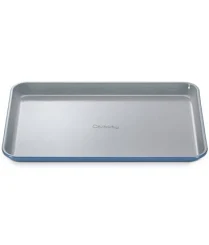
- ceramic nonstick coating
- A third party reports verifying it as PFAS-free
- Ceramic coating degradation over time
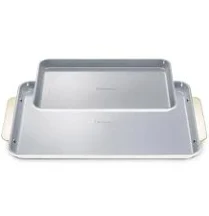
- ceramic nonstick coating
- A third party reports verifying it as PFAS-free
- Coating degradation and durability
2 hazards checked on this product, all on its full breakdown.
- ceramic nonstick coating
- The brand calls it PFAS-free, which we have not verified
- Ceramic coating degradation and particle shedding
3 hazards checked on this product, all on its full breakdown.
More bakeware grades
How we score, every product runs through the same public 0-100 rubric based on materials, coatings, brand disclosure, lab findings, and recalls. See the full methodology → Spotted a mistake? Report an error.