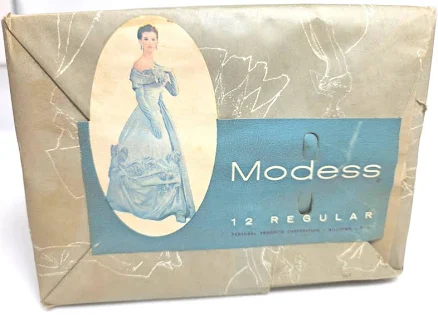
Unopened box Modess feminine pads, 12 regular pads // 1950s
Vintage product; no PFAS disclosure available, testing absent.
1950s Modess pads predate modern PFAS labeling and testing standards. No public safety data or certifications exist for this product.
The better-graded swap
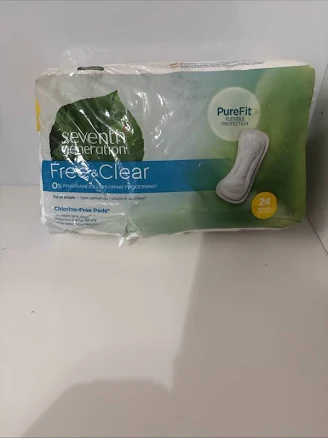
Seventh Generation
Seventh Generation Chlorine Free Maxi Pads
100/100 safety
Same rubric that flunked this product. The swap earned Excellent.
Still want this one anyway? Check the price on Amazon. We’d swap it.
Material
Cotton/cellulose, adhesive (unspecified)
Brand disclosure
Brand is silent on PFAS
Lab data
No public lab test
You may also be interested in
Top-graded picks in the categories readers replace first, every one scored on the same rubric.

Aqua Pure
3M Aqua-Pure AP802B Whole House Filter Housing
- polypropylene filter housing, carbon/sediment cartridge
- We found no PFAS statement from the brand
- Bacterial growth in spent cartridges
3 hazards checked on this product. See all of them.

Aquasure
Premier Series 75 GPD Under Sink Reverse Osmosis Water Filtration System
- RO membrane, carbon filters, stainless steel housing
- We found no PFAS statement from the brand
- Bacterial and microbial growth in housing and filters
4 hazards checked on this product. See all of them.

Avocado
Vegan Mattress
- organic cotton, natural latex, coconut coir, recycled steel coils
- The brand calls it PFAS-free, which we have not verified
- Heavy metals
2 hazards checked on this product. See all of them.
What Unopened box Modess feminine pads, 12 is made of, ingredients and materials
This 1950s Modess pad is listed as cotton/cellulose core with an adhesive component, typical for the era. The adhesive formulation is not disclosed on the packaging or in available historical records. Cotton and cellulose are inherently lower-concern materials, but the age of the product means adhesive degradation, moisture absorption, and potential bacterial or mold colonization are real concerns if the box has been stored in variable humidity or temperature.
What’s concerning
Category baseline
The starting point for this type of product, before anything specific to this product is counted.
No PFAS disclosure
No public statement from the brand about PFAS in this product.
Adhesive composition unknown
1950s adhesive formula is not disclosed in any available source. Modern adhesives in feminine pads are specified; this product's binder chemistry cannot be verified for irritants, allergens, or degradation products.
Moisture and microbial colonization (age-related)
Adhesive degradation and loss of function
Era-appropriate adhesives are prone to hardening, cracking, or separation after decades of storage. Use would expose skin to loose adhesive particles, degradation by-products, or poor barrier function.
Formaldehyde / VOCs
Mid-century cotton products sometimes used formaldehyde-based resins for wrinkle resistance or antimicrobial purposes. No record exists for Modess 1950s formulation. Vintage packaging does not list preservatives or crosslinkers.
Source, ATSDR ↗Fragrance and undisclosed additives
Modess historically marketed scented pads. Fragrance compounds and any additives used in this 1950s pad are not named on the box or in available records, and allergen risk cannot be assessed.
The full breakdown
The brand's record and disclosure
Modess, originally a Kimberly-Clark brand, has no publicly available safety certifications, material disclosures, or third-party test results on record for this 1950s formulation. Modern feminine-care products carry ingredient and composition labels; this vintage box does not. The brand provided no statement on PFAS or other chemical safety practices in the era of manufacture, making independent verification impossible.
How it compares in its category
Vintage feminine pads predate modern regulatory frameworks and ingredient transparency standards. Contemporary pads are typically labeled with materials and additives, and many brands now disclose testing for restricted chemicals. A 1950s unopened box has no comparative safety advantage over modern alternatives; it is a historical artifact with unknown adhesive composition and unknown storage conditions, not a safer product choice.
If you buy it
This product is not recommended for use. If kept as a collectible, store in a cool, dry, dark environment to slow adhesive degradation and prevent moisture absorption. Do not open or use on skin, as adhesive aging and potential microbial colonization over 70 years pose unknown dermal and hygiene risks. If opened, discard and use a modern, labeled alternative with disclosed materials.
What we don’t know
- Basis
- Model estimate, 40% confidence, not a lab result
- Lab test
- None on record for this exact product
- Brand statement
- Modess has made none
Formulations change between production runs, so check the current label. How we grade.
Better-graded alternatives in Period Pads
Seventh Generation
Chlorine Free Maxi Pads
- organic cotton, wood pulp
- The brand calls it PFAS-free, which we have not verified
- Fragrance allergen content
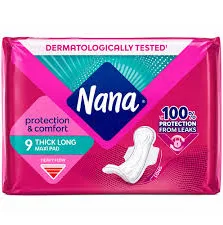
Nana
Maxi Thick
- cellulose, cotton blend, absorbent core
- We found no PFAS statement from the brand
- Bleach residues and processing chemicals in cellulose
3 hazards checked on this product. See all of them.
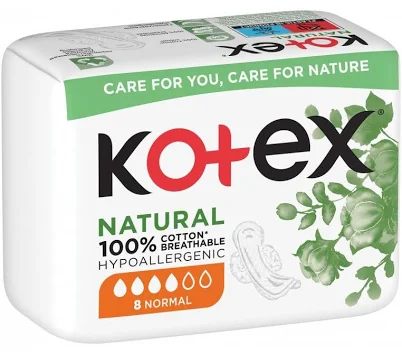
Kotex Natural
10pack Kotex Natural Normal Sanitary Pads
- Cotton, wood pulp absorbent core, plastic backing
- We found no PFAS statement from the brand
- Pesticide residue
2 hazards checked on this product. See all of them.
More period pads grades
How we score, every product runs through the same public 0-100 rubric based on materials, coatings, brand disclosure, lab findings, and recalls. See the full methodology → Spotted a mistake? Report an error.