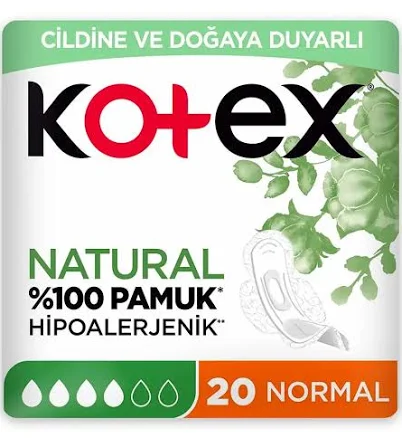
Kotex Natural Quadro Normal Pads 20 Count
Lower concern; no known PFAS in absorbent core materials.
Kotex Natural pads use cotton and cellulose, materials with lower PFAS risk. Brand does not disclose PFAS testing or claims; adhesives and backsheet not specified.
We flunk more products than we pass. This one earned its grade. How we grade
Material
cotton, cellulose core, adhesive
Brand disclosure
Brand is silent on PFAS
Lab data
No public lab test
What Kotex Natural Quadro Normal Pads 20 Count is made of, ingredients and materials
Kotex Natural Quadro pads use a cotton-blend absorbent core with cellulose and an adhesive backing. Cotton and cellulose are low-toxicity materials with minimal leaching risk during typical use. The adhesive is a standard hot-melt or synthetic polymer formulation typical of menstrual pads; no specific adhesive composition is publicly disclosed by Kotex for this line. The pad's construction is designed to minimize skin contact with synthetic materials, which aligns with the 'Natural' product positioning.
What’s concerning
Category baseline
The starting point for this type of product, before anything specific to this product is counted.
No PFAS disclosure
No public statement from the brand about PFAS in this product.
Pesticide residue
Cotton is a pesticide-intensive crop. Kotex Natural does not disclose whether the cotton in this pad is organic or conventionally grown, nor are residue limits publicly tested or certified. Residual pesticide levels in raw cotton used for pads are typically below regulatory limits but not independently verified for this product.
Source, EPA ↗Adhesive composition and skin sensitization
The specific adhesive formulation is not disclosed by Kotex. Hot-melt adhesives and synthetic polymers used in pads can cause contact dermatitis or irritation in sensitive individuals. No known recalls for this product exist, but individual sensitivity risk cannot be ruled out without adhesive ingredient transparency.
Chlorine bleaching or processing residues
Cotton and cellulose in conventional pads are often whitened or processed with chlorine or hydrogen peroxide. Kotex Natural does not disclose bleaching methods. Residual chlorine or dioxin byproducts are typically minimal in finished products but not independently verified for this line.
What’s reassuring
Base material not linked to PFAS
The main material recorded for this product is not one associated with PFAS.
Cellulose and synthetic polymer degradation under moisture
Cellulose core materials are designed to absorb and hold moisture without leaching; no documented chemical leaching from cellulose-core pads during normal use has been established. The adhesive backing is formulated to remain stable during pad wear.
Fragrance or botanical additives
Kotex Natural Quadro Normal pads are unscented and do not list added fragrance or botanical extracts. No fragrance-related allergen concern is documented for this specific variant.
The full breakdown
The brand's record and disclosure
Kotex (owned by Kimberly-Clark) does not publish detailed ingredient lists or manufacturing transparency reports for this product line. The brand has not faced documented recalls or public safety controversies specific to the Quadro Normal pad. Kotex Natural carries no third-party certifications (such as GOTS or EU Ecolabel) that would verify material claims or manufacturing standards. Product labeling indicates cotton content but does not specify pesticide residues or processing chemicals in the raw fiber.
How it compares in its category
Kotex Natural Quadro sits in the mainstream-natural segment, positioned between fully conventional pads and certified-organic alternatives. Compared to conventional pads, the cotton core reduces synthetic polymer load. Compared to certified-organic brands (such as Cora or Seventh Generation), Kotex Natural offers lower cost but lacks third-party verification of pesticide or chemical residue limits. It represents a mid-tier choice with marketed naturalness but limited verifiable transparency.
If you buy it
Store pads in a cool, dry place away from direct sunlight to prevent adhesive degradation or material brittleness over time. Use pads as directed; do not reuse or wash. Replace pads every 4-8 hours depending on flow to prevent bacterial overgrowth and skin irritation. If you experience rash, itching, or allergic reaction, discontinue use and switch brands, as individual sensitivity to adhesives or cotton processing residues varies.
What we don’t know
- Basis
- Model estimate, 72% confidence, not a lab result
- Lab test
- None on record for this exact product
- Brand statement
- Kotex Natural has made none
Formulations change between production runs, so check the current label. How we grade.
Better-graded alternatives in Period Pads
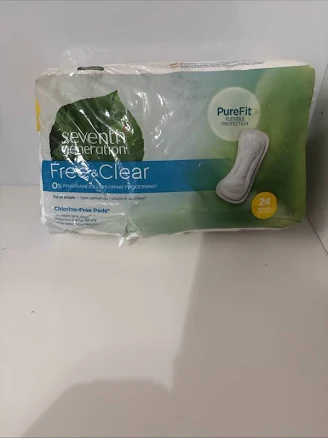
Seventh Generation
Chlorine Free Maxi Pads
- organic cotton, wood pulp
- The brand calls it PFAS-free, which we have not verified
- Fragrance allergen content
More period pads grades
How we score, every product runs through the same public 0-100 rubric based on materials, coatings, brand disclosure, lab findings, and recalls. See the full methodology → Spotted a mistake? Report an error.