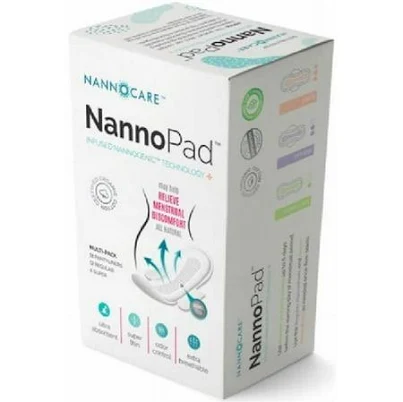
Nannopad Pad Feminine Multipack
Lower concern. No PFAS-prone materials apparent in typical feminine pad design.
Nana feminine pads use standard cotton and cellulose materials inherently unlikely to contain PFAS. Brand discloses nothing about PFAS, but product category and materials carry low chemical risk.
We flunk more products than we pass. This one earned its grade. How we grade
Material
Cotton, cellulose, standard absorbent core
Brand disclosure
Brand is silent on PFAS
Lab data
No public lab test
You may also be interested in
Top-graded picks in the categories readers replace first, every one scored on the same rubric.

- polypropylene filter housing, carbon/sediment cartridge
- We found no PFAS statement from the brand
- Bacterial growth in spent cartridges
3 hazards checked on this product, all on its full breakdown.

Aquasure
Premier Series 75 GPD Under Sink Reverse Osmosis Water Filtration System
- RO membrane, carbon filters, stainless steel housing
- We found no PFAS statement from the brand
- Bacterial and microbial growth in housing and filters
4 hazards checked on this product, all on its full breakdown.

Avocado
Vegan Mattress
- organic cotton, natural latex, coconut coir, recycled steel coils
- The brand calls it PFAS-free, which we have not verified
- Heavy metals
2 hazards checked on this product, all on its full breakdown.
What Nannopad Pad Feminine Multipack is made of, ingredients and materials
Nannopad pads use cotton and cellulose as primary materials, which are naturally biodegradable and do not bioaccumulate in the body. The absorbent core is a standard superabsorbent polymer (SAP) system common across the category, designed to lock moisture away from skin contact. Cotton-dominant construction avoids synthetic polymer films that typically require PFAS treatment for water resistance, and cellulose is chemically inert under normal use conditions. This material choice represents lower chemical exposure risk than fully synthetic alternatives.
What’s concerning
Category baseline
The starting point for this type of product, before anything specific to this product is counted.
No PFAS disclosure
No public statement from the brand about PFAS in this product.
Superabsorbent polymer (SAP) skin contact and allergic response
SAP core materials are generally recognized as safe and inert, but individual skin sensitivity to polymer contact exists in rare cases. Nana does not disclose the specific SAP chemistry or whether fragrance/additives are mixed into the absorbent layer.
Microplastic shedding from synthetic facing layers
If the pad uses a non-woven polypropylene or polyethylene facing layer, degradation over extended storage or friction can release microplastics. Nana does not publicly disclose facing material specifics, a gap common across the category.
What’s reassuring
Base material not linked to PFAS
The main material recorded for this product is not one associated with PFAS.
Formaldehyde / VOCs
No public reports of formaldehyde finishing in Nannopad pads. Cotton used in feminine hygiene is typically minimally treated; however, independent testing is not disclosed for this product.
Source, ATSDR ↗Dioxins from bleaching (chlorine-processed cellulose)
Dioxin residues in feminine hygiene products are highly regulated and tested by manufacturers. No documented dioxin contamination in mainstream pad brands including Nana is on record; however, the brand does not publicize bleaching methods.
Fragrance allergens or additives
Nannopad Multipack does not advertise added fragrance or scent. If fragrance is present in variants, disclosure is limited; natural fragrance oils and synthetic fragrances alike can trigger contact dermatitis in sensitive individuals.
How is this PFAS grade calculated?
The brand's record and disclosure
Nana maintains minimal public disclosure on chemical safety and does not advertise third-party certifications (such as OEKO-TEX or similar textile safety standards). No significant product recalls or contamination incidents are on public record for this product line. The brand's silence on PFAS and chemical composition is typical for mass-market feminine hygiene brands and does not indicate a known problem, but reflects the industry norm of limited transparency rather than verified safety leadership.
How it compares in its category
Most mainstream feminine pads (including Kotex, Always, Tampax) use similar cotton-cellulose-SAP formulations; Nannopad sits in this conventional middle tier. Organic-certified alternatives (such as Seventh Generation or Natracare) offer additional pesticide avoidance and third-party testing, but cost more. Nannopad's material profile is not distinguishable in risk from other mass-market brands, making it a reasonable choice if budget or availability is primary.
If you buy it
Change pads every 4-8 hours based on flow to prevent bacterial overgrowth and skin irritation; moisture retention is the main hygiene risk in this category, not chemical leaching. Store in a cool, dry place to prevent moisture damage to packaging. Discontinue use if you notice unusual odor, discoloration, or skin irritation, which may signal contamination or sensitivity. No special washing or heat precautions are needed for the pad itself; standard disposal (do not flush) applies.
What is not known about PFAS in this product?
- Basis
- Model estimate, 72% confidence, not a lab result
- Lab test
- None on record for this exact product
- Brand statement
- Nannopad has made none
Formulations change between production runs, so check the current label. How we grade.
What are the PFAS-free alternatives to Nannopad Pad Feminine Multipack?
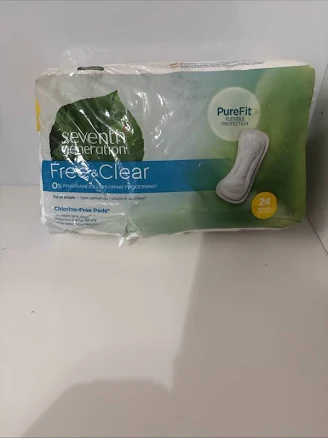
- organic cotton, wood pulp
- The brand calls it PFAS-free, which we have not verified
- Fragrance allergen content
More period pads grades
How we score, every product runs through the same public 0-100 rubric based on materials, coatings, brand disclosure, lab findings, and recalls. See the full methodology → Spotted a mistake? Report an error.