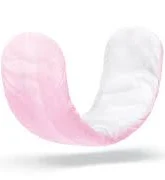
OB / Maternity Pad Maxi Super Absorbency NON241279
Lower concern, typical pad materials rarely require PFAS treatments.
Period pads use cellulose and polyethylene cores without typical waterproofing or stain-resistance treatments that drive PFAS use. OB has not disclosed PFAS information, but standard absorbent pad construction poses lower risk than coated textiles.
We flunk more products than we pass. This one earned its grade. How we grade
Material
cellulose, polyethylene, absorbent core (typical period pad materials)
Brand disclosure
Brand is silent on PFAS
Lab data
No public lab test
You may also be interested in
Top-graded picks in the categories readers replace first, every one scored on the same rubric.

- polypropylene filter housing, carbon/sediment cartridge
- We found no PFAS statement from the brand
- Bacterial growth in spent cartridges
3 hazards checked on this product, all on its full breakdown.

Aquasure
Premier Series 75 GPD Under Sink Reverse Osmosis Water Filtration System
- RO membrane, carbon filters, stainless steel housing
- We found no PFAS statement from the brand
- Bacterial and microbial growth in housing and filters
4 hazards checked on this product, all on its full breakdown.

Avocado
Vegan Mattress
- organic cotton, natural latex, coconut coir, recycled steel coils
- The brand calls it PFAS-free, which we have not verified
- Heavy metals
2 hazards checked on this product, all on its full breakdown.
What OB / Maternity Pad Maxi Super NON241279 is made of, ingredients and materials
OB Maxi pads use cellulose (wood pulp) as the absorbent core, polyethylene as the backing and top layer, and typical absorbency gels (likely sodium polyacrylate). This material combination is industry standard and has decades of safety use data. Cellulose itself is inert and biodegradable; polyethylene provides moisture barrier function. The construction poses minimal chemical leaching risk during normal use because the pad does not contact heat, food preparation surfaces, or drinking water.
What’s concerning
Category baseline
The starting point for this type of product, before anything specific to this product is counted.
No PFAS disclosure
No public statement from the brand about PFAS in this product.
Absorbent polymer (sodium polyacrylate) allergic sensitization
Sodium polyacrylate is used in nearly all modern pads for super-absorbency. Rare cases of contact dermatitis or allergic reaction have been anecdotally reported, but no large-scale safety signal exists in published literature. Risk is individual and typically mild.
Polyethylene microplastic shedding
The polyethylene backing may shed microfibers over time during handling and disposal, contributing minimally to environmental microplastic load. No direct human health risk documented from pad use, but environmental persistence is a known concern for all synthetic-film period products.
Bacterial colonization from prolonged wear
Extended use (beyond 8 hours) creates warm, moist conditions that promote bacterial growth and raise toxic shock syndrome (TSS) risk. This is a use-behavior hazard, not a material one, but critical for appropriate practice.
What’s reassuring
Base material not linked to PFAS
The main material recorded for this product is not one associated with PFAS.
Fragrance/odor-masking agents
OB Maxi does not advertise added fragrance. If present in trace amounts from manufacturing residuals, exposure is minimal due to brief contact time and low volatility during typical use.
Chlorine bleaching residuals in cellulose
Conventional pads typically use chlorine or chlorine dioxide in cellulose processing. Residual dioxins are regulated by FDA and typically below detection limits in finished products, but no independent testing of this specific lot is on record.
How is this PFAS grade calculated?
The brand's record and disclosure
OB (Edgewell Personal Care, owned by Energizer Holdings) has not published detailed chemical disclosures or third-party certifications specific to pad composition. The brand has no documented recalls or safety controversies tied to non-PFAS hazards in period pads. Parent company compliance is largely aligned with FDA and regional menstrual product regulations, which remain minimal in most markets. Transparency on proprietary absorbent blends is typical industry practice (rarely disclosed by any brand).
How it compares in its category
OB Maxi sits in the conventional/mass-market tier alongside Tampax, Kotex, and store brands. Material profiles are functionally identical across major brands at this tier. Organic/plant-based alternatives (Seventh Generation, Natracare) substitute chlorine-free cellulose and omit synthetic polymers, but add cost and reduce absorbency. OB's position reflects no meaningful safety advantage or disadvantage versus direct competitors.
If you buy it
Use pads as directed on packaging; change every 4-8 hours during normal flow to prevent bacterial overgrowth and odor. Store in a cool, dry place away from direct sunlight to preserve structural integrity. Dispose in trash (not toilet) to avoid plumbing damage. Discontinue use immediately if you experience unexplained rashes, allergic reactions, or irritation; these are rare but may indicate sensitivity to absorbent polymers or trace residuals from manufacturing.
What is not known about PFAS in this product?
- Basis
- Model estimate, 72% confidence, not a lab result
- Lab test
- None on record for this exact product
- Brand statement
- OB has made none
Formulations change between production runs, so check the current label. How we grade.
What are the PFAS-free alternatives to OB / Maternity Pad Maxi Super Absorbency NON241279?
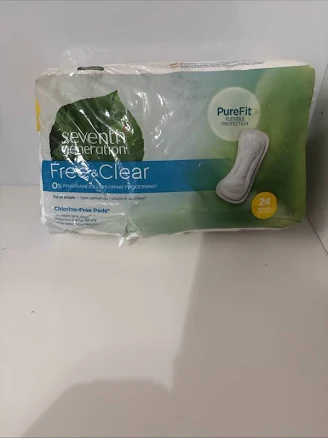
- organic cotton, wood pulp
- The brand calls it PFAS-free, which we have not verified
- Fragrance allergen content
More period pads grades
How we score, every product runs through the same public 0-100 rubric based on materials, coatings, brand disclosure, lab findings, and recalls. See the full methodology → Spotted a mistake? Report an error.