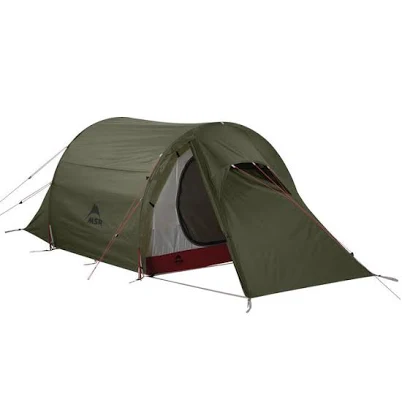
MSR Tindheim 2 Tent
Avoid until MSR discloses its water-repellent coating formula or offers PFAS-free alternatives.
The Tindheim 2 uses water-repellent coating fabric coatings typical of modern tents, but MSR does not disclose whether their water-repellent coating treatment contains PFAS. Most tents in this price and performance tier historically use PFAS-based treatments.
Still want this one anyway? Check the price on Amazon. We’d swap it.
Material
Nylon/polyester fabric with water-repellent coating (water-repellent coating) coating
Brand disclosure
Brand is silent on PFAS
Lab data
No public lab test
What MSR Tindheim 2 Tent is made of, ingredients and materials
The Tindheim 2 uses nylon and polyester ripstop fabrics with a water-repellent coating (water-repellent coating) coating applied to the exterior. water-repellent coating coatings historically relied on PFAS (fluorochemicals) but reformulations exist; MSR has not publicly disclosed which chemistry they use. The base fabrics themselves (nylon/polyester) are stable polymers with no inherent leaching risk under normal camping conditions.
What’s concerning
Category baseline
The starting point for this type of product, before anything specific to this product is counted.
No PFAS disclosure
No public statement from the brand about PFAS in this product.
Waterproof / stain-resistant treatment
Water-repellent coating treatments have historically used PFAS.
PFAS
MSR has not disclosed whether the Tindheim 2's water-repellent coating uses legacy PFAS, short-chain alternatives, or PFAS-free chemistry. Outdoor exposure does not typically cause migration into skin or food, but manufacturing/disposal chains may pose environmental and worker exposure risk.
Source, ATSDR ↗Seam sealing and adhesive volatiles
Tents typically use polyurethane or solvent-based seam sealers. Off-gassing may occur in the first few days or weeks, especially in a sealed tent with poor ventilation. Not a health hazard in open-air camping but relevant for enclosed storage or transport in vehicles.
What’s reassuring
Nylon fabric degradation under UV/heat
Nylon ripstop is chemically stable and non-toxic during normal use. Prolonged UV exposure yellows and weakens the fabric mechanically but does not release hazardous compounds.
Polyester microfiber shedding
Polyester does not shed microfibers under normal tent use (static shaking, wind). Risk would only arise from repeated abrasion or washing, which is not typical for this product.
Heavy metals
No recalls or test results suggest lead, cadmium, or other heavy metals in MSR tent fabrics or coatings. Modern synthetic dyes used on nylon/polyester are not known to carry this risk.
Source, FDA ↗The full breakdown
The brand's record and disclosure
MSR (owned by Cascade Designs) maintains a reputation for quality outdoor gear but has not published water-repellent coating chemistry disclosures or PFAS commitments comparable to brands like Arc'teryx or Patagonia. No recalls or contamination incidents are on record for this model. The brand's silence on water-repellent coating sourcing is the primary transparency gap.
How it compares in its category
Most three-season tents in this performance tier use fluorinated water-repellent coating coatings. Alternatives with lower PFAS concern (wax-based, polyurethane, or silicone water-repellent coating) exist but often sacrifice durability over 5+ years or cost significantly more. The Tindheim 2 sits in the middle of the category, proven durability but unverified chemical profile.
If you buy it
Store dry and well-ventilated to prevent mildew; water-repellent coating does not require special cleaning. Avoid machine washing; hand-rinse with plain water if needed. water-repellent coating performance degrades after 3-5 years of use; reapplication products exist but may introduce additional chemicals. If PFAS transparency becomes a priority, contact MSR directly or consider brands with public PFAS-free certifications.
What we don’t know
- Basis
- Model estimate, 42% confidence, not a lab result
- Lab test
- None on record for this exact product
- Brand statement
- MSR has made none
Formulations change between production runs, so check the current label. How we grade.
More camping tents & tarps grades
How we score, every product runs through the same public 0-100 rubric based on materials, coatings, brand disclosure, lab findings, and recalls. See the full methodology → Spotted a mistake? Report an error.