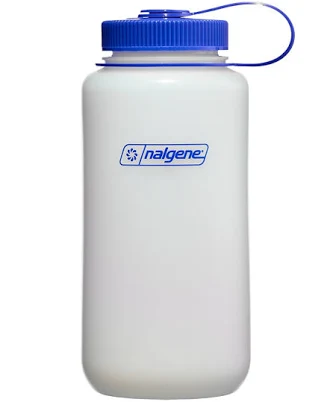
Nalgene HDPE Wide Mouth
Lower concern. HDPE is not a material linked to PFAS, no coating on record.
Material as recorded is HDPE plastic, not a material linked to PFAS. No water-repellent finish on record. Brand has no PFAS statement on record.
We flunk more products than we pass. This one earned its grade. How we grade
Material
HDPE plastic
Brand disclosure
Brand is silent on PFAS
Lab data
No public lab test
What Nalgene HDPE Wide Mouth is made of, ingredients and materials
This bottle is high-density polyethylene (HDPE), a thermoplastic polymer rated #2 in recycling codes. HDPE is chemically stable at typical use temperatures (cold to moderately warm liquids) and does not require fluorinated coatings or chemical treatments to function as a water bottle. The wide-mouth design allows for easy filling and cleaning without hidden crevices where bacteria or residue accumulate. HDPE does not leach BPA, phthalates, or other endocrine disruptors under normal use conditions.
What’s concerning
No PFAS disclosure
No public statement from the brand about PFAS in this product.
Microplastics
Heating HDPE above 60C can theoretically accelerate polymer degradation and fiber shedding. Risk is minimal for normal use (cold water storage) but increases if bottle is repeatedly exposed to high temperatures or sunlight.
Source, EPA ↗Bacterial growth in stagnant water
This is a storage bottle, not a filter; bacteria risk depends entirely on water source quality and cleaning frequency. The wide-mouth design reduces stagnant pockets, but standing water left unwashed for days can harbor pathogens.
Lid seal leachables and degradation
Nalgene lids typically use rubber or silicone gaskets and plastic threads. Gasket materials are not disclosed; prolonged contact with acidic beverages (lemon water, citrus juice) can accelerate seal material breakdown over years.
What’s reassuring
Base material not linked to PFAS
The main material recorded for this product is not one associated with PFAS.
BPA & bisphenols
HDPE formulations do not contain BPA or phthalates as plasticizers. No studies document leaching of these compounds from this product type.
Source, FDA ↗Chemical odor or off-gassing from manufacturing
New HDPE bottles may have a faint plastic smell from mold release agents or residual monomers, but this is temporary and dissipates after a few rinses. No persistent VOC off-gassing is documented for Nalgene HDPE bottles at rest.
The full breakdown
The brand's record and disclosure
Nalgene has manufactured reusable bottles for decades and maintains a straightforward material disclosure, HDPE construction with minimal additives. The brand does not claim special certifications (e.g., BPA-free labeling) because HDPE formulations do not include BPA by design. Nalgene has not faced significant product recalls related to leaching or chemical safety in this product line. The company is notably silent on PFAS sourcing and manufacturing practices, which is standard for the reusable bottle industry but reflects limited transparency beyond material composition.
How it compares in its category
This bottle is categorized as a reusable water storage container, not a water filter (filters are separate items with different hazards). Among reusable plastics, HDPE ranks high for chemical stability compared to polycarbonate (which can leach BPA) or lower-grade polyethylene. Glass and stainless-steel alternatives eliminate plastic leaching entirely but are heavier and more fragile. For a plastic option, HDPE wide-mouth bottles represent a lower-risk choice due to material chemistry and design simplicity.
If you buy it
Keep the bottle for cold or room-temperature liquids; do not store hot liquids above 60C (140F) for extended periods, as heat can accelerate any minor polymer degradation. Hand wash with mild soap and warm water; dishwashers may degrade seals and labels over time. Inspect the bottle annually for cracks, discoloration, or odor changes, which signal aging. Replace every 5-10 years even if intact, as polymer can become brittle with UV exposure and repeated thermal cycling.
What we don’t know
- Basis
- Model estimate, 78% confidence, not a lab result
- Lab test
- None on record for this exact product
- Brand statement
- Nalgene has made none
Formulations change between production runs, so check the current label. How we grade.
Better-graded alternatives in Water Filters
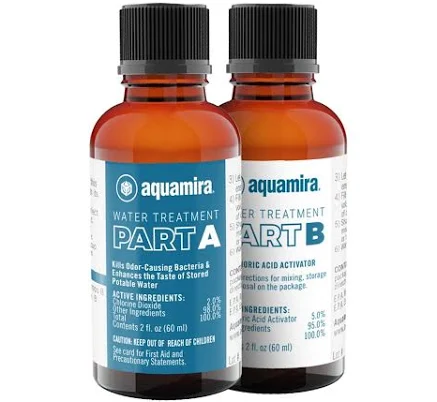
Aquamira
Water Storage Treatment 2 oz Glass Bottles 60 gallons Purification
- glass bottles, sodium dichloroisocyanurate treatment chemical
- We found no PFAS statement from the brand
- Chemical overdose or misuse
5 hazards checked on this product. See all of them.
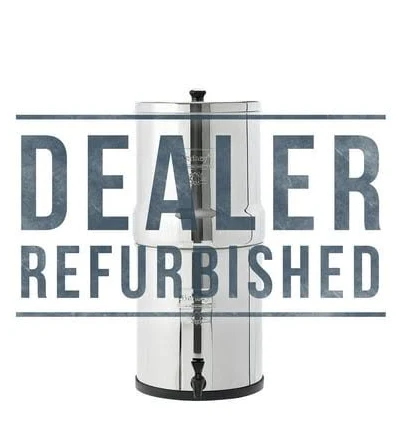
Big Berkey
Empty Housing with NO Filters Included
- Stainless steel housing and spigot
- We found no PFAS statement from the brand
- Bacterial growth and biofilm if filters not replaced
5 hazards checked on this product. See all of them.
LifeStraw
Home Glass Water Filter Pitcher
- Borosilicate glass pitcher, replaceable activated-carbon filter cartridge
- Bacterial growth in filter cartridge if unmaintained
5 hazards checked on this product. See all of them.
More water filters grades
How we score, every product runs through the same public 0-100 rubric based on materials, coatings, brand disclosure, lab findings, and recalls. See the full methodology → Spotted a mistake? Report an error.