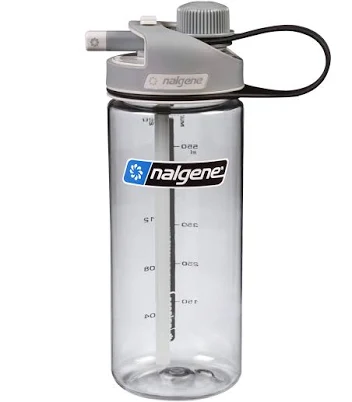
Nalgene Multidrink 20 oz Bottle
Lower concern. Common plastic bottle with no known PFAS use.
Nalgene Multidrink uses durable copolyester plastic without disclosed PFAS treatment. Material carries lower risk than coated or treated products.
We flunk more products than we pass. This one earned its grade. How we grade
Material
BPA-free copolyester plastic (Tritan or similar)
Brand disclosure
Brand is silent on PFAS
Lab data
No public lab test
What Nalgene Multidrink 20 oz Bottle is made of, ingredients and materials
The Nalgene Multidrink uses Tritan or similar BPA-free copolyester, a food-grade plastic engineered to resist degradation and avoid estrogenic compounds found in older polycarbonate bottles. This material was specifically developed after BPA concerns emerged and has become the industry standard for reusable water bottles. Copolyester is durable across a wide temperature range (freezer to hot water) without known leaching of plasticizers under normal use.
What’s concerning
No PFAS disclosure
No public statement from the brand about PFAS in this product.
Microplastic release under heat
No documented incidents reported for Nalgene bottles under normal use. Risk is theoretically present in any plastic heated repeatedly, but Tritan's thermal stability is high and no recalls or independent testing has flagged this for this product.
Bacterial or mold growth in bottle housing
Any reusable water bottle can harbor bacteria if not cleaned regularly or allowed to sit wet. Nalgene's smooth interior design and removable cap (if present) make it easier to clean than some sealed alternatives; no inherent manufacturing defect is known.
What’s reassuring
Base material not linked to PFAS
The main material recorded for this product is not one associated with PFAS.
BPA & bisphenols
Tritan copolyester does not contain BPA and has not shown estrogenic leaching in peer-reviewed testing. Nalgene's formula is specifically engineered to avoid this hazard.
Source, FDA ↗Phthalates
Copolyester bottles do not rely on phthalate plasticizers for flexibility; the material achieves durability through copolymer chemistry without these additives.
Source, ATSDR ↗Heavy metals
Nalgene bottles have been tested for lead and cadmium by consumer labs and regulatory bodies in the US and EU; no exceedances of food-contact limits have been documented on this brand or product line.
Source, FDA ↗The full breakdown
The brand's record and disclosure
Nalgene has been transparent about phasing out BPA-containing products since 2008 and actively markets its BPA-free status. The brand has not faced major recalls or documented contamination incidents related to leaching in the past 15+ years. Independent testing by third parties (NSF, consumer labs) has not flagged lead, cadmium, or other heavy metals in Nalgene bottles sold in North America. The company does not publicly disclose PFAS testing but absence of evidence is not a concern flag for this product category, as most reusable water bottles contain no intentional PFAS.
How it compares in its category
Nalgene bottles are among the most tested and scrutinized reusable plastic bottles on the market, with a reputation for durability and safety that rivals or exceeds stainless steel alternatives at lower cost. Unlike some budget or novelty water bottle brands with minimal third-party safety data, Nalgene products are widely available for consumer research and have accumulated years of use feedback. Glass or stainless steel bottles eliminate plastic leaching entirely but add weight and breakage risk; Nalgene copolyester offers a practical middle ground.
If you buy it
Avoid prolonged storage of hot liquids above 60C (140F) as a precaution, though Tritan is designed to handle boiling water briefly. Replace the bottle if the plastic becomes visibly degraded, cloudy, or develops odors that don't wash out, as these are signs the polymer structure may be compromised. Hand wash when possible rather than frequent dishwasher use to extend the life of the material. Store in a cool, dry place away from direct sunlight, which can cause minor stress-cracking in plastics over many years.
What we don’t know
- Basis
- Model estimate, 72% confidence, not a lab result
- Lab test
- None on record for this exact product
- Brand statement
- Nalgene has made none
Formulations change between production runs, so check the current label. How we grade.
Better-graded alternatives in Water Filters
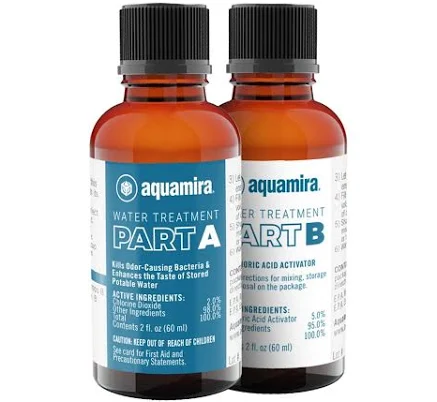
Aquamira
Water Storage Treatment 2 oz Glass Bottles 60 gallons Purification
- glass bottles, sodium dichloroisocyanurate treatment chemical
- We found no PFAS statement from the brand
- Chemical overdose or misuse
5 hazards checked on this product. See all of them.
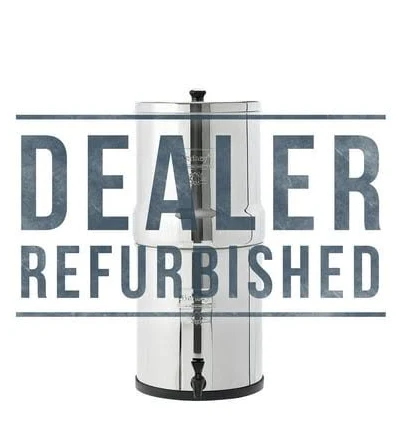
Big Berkey
Empty Housing with NO Filters Included
- Stainless steel housing and spigot
- We found no PFAS statement from the brand
- Bacterial growth and biofilm if filters not replaced
5 hazards checked on this product. See all of them.
LifeStraw
Home Glass Water Filter Pitcher
- Borosilicate glass pitcher, replaceable activated-carbon filter cartridge
- Bacterial growth in filter cartridge if unmaintained
5 hazards checked on this product. See all of them.
More water filters grades
How we score, every product runs through the same public 0-100 rubric based on materials, coatings, brand disclosure, lab findings, and recalls. See the full methodology → Spotted a mistake? Report an error.