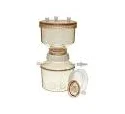
Nalgene Reusable Bottle Filter 300-4100
Lower concern. Material as recorded is not linked to PFAS.
This is a replacement activated carbon filter. Activated carbon is not a material linked to PFAS. The brand has no PFAS statement on record.
We flunk more products than we pass. This one earned its grade. How we grade
Material
Activated carbon filter media
Brand disclosure
Brand is silent on PFAS
Lab data
No public lab test
What Nalgene Reusable Bottle Filter 300-4100 is made of, ingredients and materials
The Nalgene 300-4100 uses activated carbon filter media, a porous form of carbon designed to absorb dissolved chemicals and odors from water. Activated carbon itself is inert and does not leach harmful substances into water under normal use. The filter housing material (typically plastic) is the secondary consideration; Nalgene typically uses BPA-free copolyester or similar food-grade plastics for filter bodies, though the exact resin is not disclosed in widely available product specs.
What’s concerning
No PFAS disclosure
No public statement from the brand about PFAS in this product.
Bacterial growth in filter media
Spent activated carbon provides a moist, nutrient-poor substrate where bacteria can grow if the filter is not replaced on schedule. This is a maintenance issue, not a manufacturing defect, but exceeding recommended replacement intervals (typically 2 months) increases risk of biofilm accumulation.
Activated carbon dust or particulates in water
New or poorly seated filters can release fine black carbon particles into water. This is cosmetic rather than toxic but is annoying. Rinsing a new filter cartridge under cold water for 30 seconds before use is standard practice and eliminates most loose media.
Degradation of filter cartridge over time
If a filter is left filled with water and not used, the plastic housing can degrade or the carbon can become saturated with minerals, reducing effectiveness. This does not pose a safety hazard but reduces performance. Proper storage and timely replacement prevent this.
Incomplete removal of contaminants
Activated carbon filters are effective for taste, odor, and some organic chemicals, but they do not remove all heavy metals, fluoride, or microorganisms reliably. This is not a defect but a limitation of the technology. Users relying on this filter alone for contaminated water supplies may not achieve adequate protection.
What’s reassuring
Base material not linked to PFAS
The main material recorded for this product is not one associated with PFAS.
BPA & bisphenols
Nalgene does not disclose the exact resin used in the 300-4100 filter cartridge housing, but the company's public stance is BPA-free. No reported cases of contamination from this specific product are on record. Cold water use minimizes any theoretical leaching risk.
Source, FDA ↗The full breakdown
The brand's record and disclosure
Nalgene is owned by Thermo Fisher Scientific and has a 30-year history in food-safe hydration products with no major recall history or known hazard litigation. The brand does not publicly disclose detailed safety testing, material sourcing, or PFAS screening for filter products, which is typical for the reusable water bottle industry and does not indicate a safety problem. Nalgene products are generally recognized as meeting FDA food-contact standards, but the company offers minimal third-party certification transparency.
How it compares in its category
Activated carbon filters like this one are the most common aftermarket cartridge type for consumer water bottles and perform comparably to pitcher-style filters (Brita, PUR) in taste and odor reduction. They do not remove bacteria or viruses without additional UV or membrane technology, so they are positioned as chemical/taste filters, not microbiological barriers. Replacement cartridges are readily available and inexpensive, making maintenance easier than sealed-cartridge competitors.
If you buy it
Replace the filter every 40-100 gallons of use or every 2 months, whichever comes first, to prevent bacterial colonization inside the spent media. Do not boil or heat the filter assembly above 60C (140F), as this can degrade the plastic housing. Store unused filters in a cool, dry place; activated carbon can absorb odors from air. If water taste or clarity suddenly declines mid-cycle, replace the cartridge rather than attempting to clean it.
What we don’t know
- Basis
- Model estimate, 72% confidence, not a lab result
- Lab test
- None on record for this exact product
- Brand statement
- Nalgene has made none
Formulations change between production runs, so check the current label. How we grade.
Better-graded alternatives in Water Filters
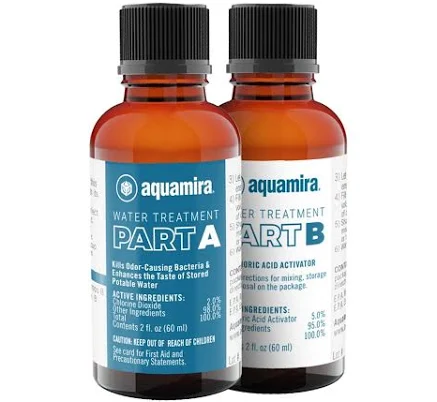
Aquamira
Water Storage Treatment 2 oz Glass Bottles 60 gallons Purification
- glass bottles, sodium dichloroisocyanurate treatment chemical
- We found no PFAS statement from the brand
- Chemical overdose or misuse
5 hazards checked on this product. See all of them.
Big Berkey
Empty Housing with NO Filters Included
- Stainless steel housing and spigot
- We found no PFAS statement from the brand
- Bacterial growth and biofilm if filters not replaced
5 hazards checked on this product. See all of them.
LifeStraw
Home Glass Water Filter Pitcher
- Borosilicate glass pitcher, replaceable activated-carbon filter cartridge
- Bacterial growth in filter cartridge if unmaintained
5 hazards checked on this product. See all of them.
More water filters grades
How we score, every product runs through the same public 0-100 rubric based on materials, coatings, brand disclosure, lab findings, and recalls. See the full methodology → Spotted a mistake? Report an error.