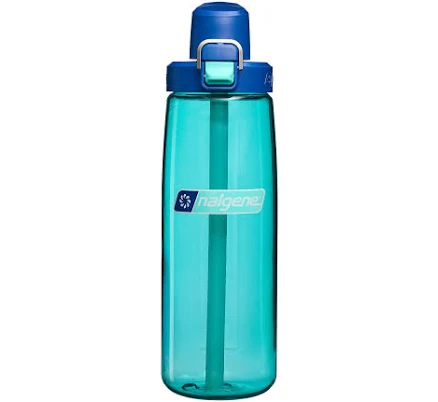
Nalgene Sustain 24 oz. FreshFlow Straw Bottle
Lower concern. Material as recorded is not linked to PFAS.
Material as recorded is Tritan copolyester, not a material linked to PFAS. No water-repellent finish on record. Brand has no PFAS statement on record.
We flunk more products than we pass. This one earned its grade. How we grade
Material
Tritan copolyester (BPA-free plastic)
Brand disclosure
Brand is silent on PFAS
Lab data
No public lab test
What Nalgene Sustain 24 oz. FreshFlow Straw is made of, ingredients and materials
This bottle is constructed from Tritan copolyester, a BPA-free and BPS-free plastic engineered to resist degradation from repeated thermal and mechanical stress. Tritan does not contain the bisphenol compounds found in older polycarbonate bottles, which were associated with endocrine concerns. The material is designed for cold and warm (not hot) beverage use and has a track record of stable performance in consumer testing without documented leaching of plastic monomers under normal conditions.
What’s concerning
No PFAS disclosure
No public statement from the brand about PFAS in this product.
Coating or seam degradation over time
Repeated thermal cycling (hot dishwasher cycles) and UV exposure can weaken Tritan's structural integrity after 3-5 years of heavy use. Early signs include microcracking, cloudiness, or loss of rigidity; this is age-related wear, not acute toxicity.
Straw bacterial colonization and biofilm
The narrow straw design can trap moisture and residue if not dried promptly after washing. Biofilm growth is a hygiene issue rather than a chemical hazard; thorough brush cleaning and air-drying mitigate this.
What’s reassuring
Base material not linked to PFAS
The main material recorded for this product is not one associated with PFAS.
Phthalates
Tritan copolyester does not contain BPA, BPS, or ortho-phthalates by formulation. No published leaching studies on the Sustain line are on record, and consumer reports do not document off-flavors or chemical contamination.
Source, ATSDR ↗Microplastics
No peer-reviewed evidence documents microplastic release from intact Tritan bottles under normal use. Shedding may occur only if the bottle is cracked or degraded; replacing worn bottles avoids this.
Source, EPA ↗Heavy metals
Nalgene bottles are manufactured under industry standards that limit lead and cadmium in pigmented plastics. No recalls or testing documentation suggests contamination in the Sustain line.
Source, FDA ↗The full breakdown
The brand's record and disclosure
Nalgene is transparent about using Tritan and markets the material as having lower concern than polycarbonate. The company does not prominently certify against PFAS or publish third-party testing data for this specific line. Nalgene has no documented recalls or safety controversies tied to the Sustain line. The brand's silence on PFAS is typical for the industry; Tritan's polymer structure does not inherently require PFAS processing aids, though independent verification is absent.
How it compares in its category
Water bottles (not filters) occupy a different hazard profile than water-filter cartridges or pitcher systems. This product avoids the bacterial-growth and housing-leachable risks tied to stagnant filter media and metal/composite housings. Compared to glass or stainless-steel alternatives, Tritan bottles are lighter and less prone to breakage but carry theoretical plastic-aging risks over years of use. The FreshFlow straw design does not introduce documented additional hazards, though straw accessibility for cleaning is a maintenance factor.
If you buy it
Use only with cold to warm (not hot or boiling) liquids to avoid accelerating polymer chain degradation. Replace the bottle if cracks, discoloration, or cloudiness develop, as these signal material breakdown. Wash the straw thoroughly with a brush after each use to prevent bacterial biofilm; replace the straw if it becomes cloudy or stained. Store empty and dry between uses; prolonged exposure to direct sunlight may degrade the plastic over 2-3 years of intensive outdoor use.
What we don’t know
- Basis
- Model estimate, 72% confidence, not a lab result
- Lab test
- None on record for this exact product
- Brand statement
- Nalgene has made none
Formulations change between production runs, so check the current label. How we grade.
Better-graded alternatives in Water Filters
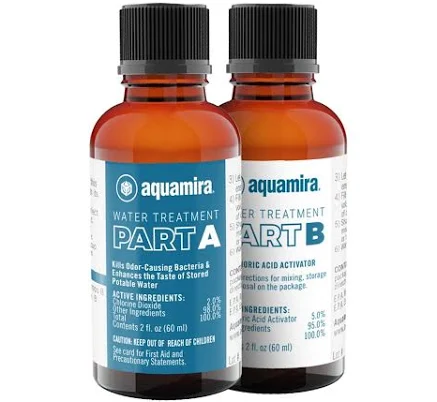
Aquamira
Water Storage Treatment 2 oz Glass Bottles 60 gallons Purification
- glass bottles, sodium dichloroisocyanurate treatment chemical
- We found no PFAS statement from the brand
- Chemical overdose or misuse
5 hazards checked on this product. See all of them.
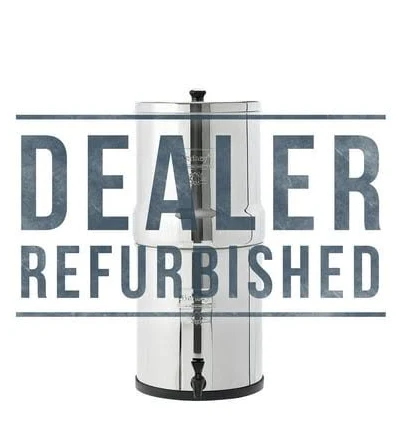
Big Berkey
Empty Housing with NO Filters Included
- Stainless steel housing and spigot
- We found no PFAS statement from the brand
- Bacterial growth and biofilm if filters not replaced
5 hazards checked on this product. See all of them.
LifeStraw
Home Glass Water Filter Pitcher
- Borosilicate glass pitcher, replaceable activated-carbon filter cartridge
- Bacterial growth in filter cartridge if unmaintained
5 hazards checked on this product. See all of them.
More water filters grades
How we score, every product runs through the same public 0-100 rubric based on materials, coatings, brand disclosure, lab findings, and recalls. See the full methodology → Spotted a mistake? Report an error.