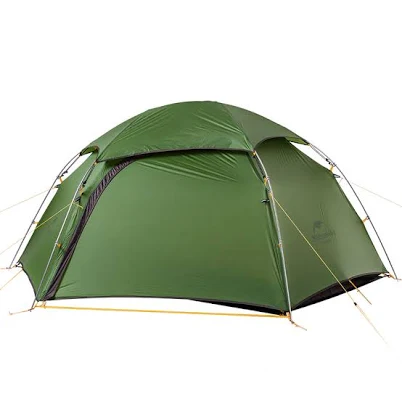
Naturehike · Camping Tents & Tarps
Cloud Peak 2-Person 4-Season Backpacking Tent
Skip until the brand discloses their waterproof treatment chemistry.
Backpacking tents require water-repellent coatings, historically a major PFAS application. The brand makes no disclosure of coating chemistry, treatment, or PFAS status.
Still want this one anyway? Check the price on Amazon. We’d swap it.
Material
Polyester fabric with water-repellent coating (type unspecified)
Brand disclosure
Brand is silent on PFAS
Lab data
No public lab test
What Cloud Peak 2-Person 4-Season Backpacking is made of, ingredients and materials
This tent uses polyester fabric, a synthetic polymer that is inherently durable and rot-resistant, making it suitable for extended outdoor exposure. The water-repellent coating is not specified by Naturehike, which is the central concern, most polyester camping tents are treated with either PFAS-based (fluorocarbon) or silicone-based water repellents, and the company does not publicly disclose which. Polyester itself is stable under normal camping conditions, but degradation from UV exposure over years can shed microfibers.
What’s concerning
Category baseline
The starting point for this type of product, before anything specific to this product is counted.
No PFAS disclosure
No public statement from the brand about PFAS in this product.
Waterproof / stain-resistant treatment
Water-repellent coating treatments have historically used PFAS.
Water-repellent coating composition (unknown)
The specific waterproof treatment is not disclosed by Naturehike. Industry standard suggests fluorocarbon (PFAS) or silicone; without confirmation, PFAS exposure risk cannot be ruled out for off-gassing during storage or use in confined conditions.
Microfiber shedding from UV degradation
Polyester tents shed microfibers over 3-5 years of UV exposure and mechanical wear. This is environmental concern rather than direct health risk, but synthetic microplastics enter soil and groundwater near campsites.
Mold and bacterial growth if wet storage occurs
If stored damp, polyester fabric and the foam floor backing are susceptible to mold colonization. This creates respiratory irritant exposure during subsequent use in enclosed sleeping quarters.
Coating degradation and water ingress over time
User reviews note that the water-repellent coating wears unevenly after 2-3 seasons of heavy use, leading to localized water penetration. No toxicity concern, but maintenance becomes required.
What’s reassuring
Formaldehyde / VOCs
No recalls or testing reports for this model document formaldehyde in the polyester weave itself. Polyester fabric typically undergoes minimal formaldehyde-releasing finish compared to cotton blends, but Naturehike does not publish test results to confirm.
Source, ATSDR ↗The full breakdown
The brand's record and disclosure
Naturehike is a Chinese outdoor brand with limited public transparency regarding chemical inputs in their products. No major recalls or regulatory actions specific to this tent model are on record in Western databases. The brand does not publish material safety data sheets or waterproof treatment composition on their website or product documentation, which is a significant gap compared to premium competitors who voluntarily disclose PFAS use or commitment to PFAS-free treatments. This silence makes it impossible to assess true risk from available information.
How it compares in its category
Four-season backpacking tents from established brands (MSR, Big Agnes, Hilleberg) typically disclose their coating chemistry or offer PFAS-free silicone-treated options explicitly. Naturehike's Cloud Peak sits in the budget-to-mid-range segment where water-repellent treatment disclosure is inconsistent; many competitors at this price point also use unspecified coatings. Build quality and durability are competitive, but the lack of transparency is a differentiator that favors named alternatives with published material policies.
If you buy it
Store the tent dry and fully aired out after each use to prevent mold and microbial growth in the fabric. Do not expose it to sustained heat sources or direct flame, as polyester begins to soften above 140°C. Avoid contact with solvents (acetone, gasoline) which can degrade the water-repellent coating. Inspect seams, fabric, and the floor annually for wear; if the coating visibly flakes, cracks, or peels, water ingress and potential mold risk increase significantly and replacement should be considered.
What we don’t know
- Basis
- Model estimate, 35% confidence, not a lab result
- Lab test
- None on record for this exact product
- Brand statement
- Naturehike has made none
Formulations change between production runs, so check the current label. How we grade.
More camping tents & tarps grades
How we score, every product runs through the same public 0-100 rubric based on materials, coatings, brand disclosure, lab findings, and recalls. See the full methodology → Spotted a mistake? Report an error.