Naturehike · Camping Tents & Tarps
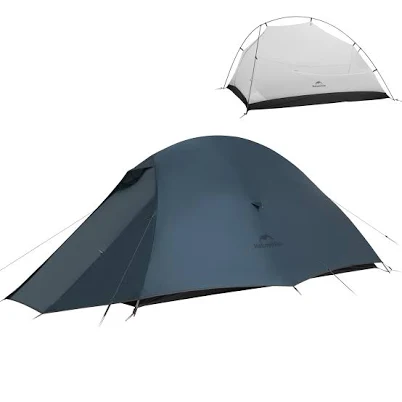
Cloud Up 1 Person 3-season Camping Tent Ultralight 20D 20D Olive green
Skip until the brand discloses waterproof treatment, tent coatings commonly contain PFAS.
This ultralight tent uses 20D nylon with an unspecified waterproof or water-repellent coating, a category historically reliant on PFAS. The brand won't disclose coating chemistry or testing.
Still want this one anyway? Check the price on Amazon. We’d swap it.
Material
20D nylon fabric with unspecified waterproof coating
Brand disclosure
Brand is silent on PFAS
Lab data
No public lab test
What Cloud Up 1 Person 3-season Camping Tent is made of, ingredients and materials
The Cloud Up 1 uses 20-denier nylon fabric, a thin, lightweight synthetic chosen for packability and weight reduction in ultralight tent design. The fabric itself is chemically stable during normal use. However, the critical safety question is the waterproof coating applied to this nylon. Naturehike does not publicly disclose whether their coating uses PFAS-based durable water repellents (DWRs) or alternative chemistries. This ambiguity is the main concern; the nylon substrate alone poses minimal established hazards.
What’s concerning
Category baseline
The starting point for this type of product, before anything specific to this product is counted.
No PFAS disclosure
No public statement from the brand about PFAS in this product.
Waterproof / stain-resistant treatment
Water-repellent coating treatments have historically used PFAS.
Unspecified waterproof coating composition
Naturehike does not disclose whether their 20D nylon waterproof treatment uses PFAS-based water-repellent coating or alternative chemistries. Field contact with skin or off-gassing during normal use poses minimal acute risk, but leaching into groundwater or soil after disposal is a potential concern if PFAS-containing.
Nylon degradation and microfiber shedding
20-denier nylon is thin and prone to abrasion and UV breakdown over time. Wear and tear can release microfiber fragments, which may be inhaled or ingested if disturbed during setup/teardown, though the practical exposure in typical camping use is low.
Coating peeling and inhalation risk
Waterproof coatings on synthetic fabrics can crack, flake, or peel with age and UV exposure. Inhaling dust from degraded coating particles is a minor acute concern; composition of these particles is unknown without disclosure of the coating chemistry.
What’s reassuring
Formaldehyde / VOCs
Nylon itself does not require formaldehyde-based finishing agents typical of cotton or wool apparel. No evidence or recall suggests formaldehyde use in Naturehike tent fabrics, though formal testing by the brand is not documented.
Source, ATSDR ↗Heavy metals
The olive green color could use azo dyes or pigments, but no recalls or reports of lead, cadmium, or antimony contamination in Naturehike nylon tents are on record. Dye safety in this price segment is generally unverified by third-party testing.
Source, FDA ↗The full breakdown
The brand's record and disclosure
Naturehike is a Chinese outdoor brand with limited public environmental or chemical disclosure practices compared to major Western manufacturers. No established recalls or safety controversies are on record for this specific model. The brand has not published statements on PFAS avoidance or alternative coating chemistry, which is typical of mid-market camping gear makers. Certification status (ISO, GOTS, Bluesign, or similar) is not documented for this product line.
How it compares in its category
Ultralight one-person tents in this price range typically use thin nylon with unspecified waterproof treatments; Naturehike's approach is standard for the segment rather than exceptional. Brands like Big Agnes and MSR often disclose coating details or use PFAS-free alternatives, setting a higher transparency bar. Naturehike's silent stance on coating chemistry puts it in the lower tier of industry disclosure practice, though the actual hazard cannot be confirmed without testing.
If you buy it
Use the tent as designed for camping and hiking; do not heat or cook inside, as thin nylon can melt and coating degradation risk increases with heat exposure. Inspect seams and fabric annually for tears or peeling coating, which signals end-of-life. Wash with cool water and mild soap if needed; do not machine wash or dry clean. Store dry and away from direct sunlight to slow coating breakdown. Replace the tent if waterproofing noticeably fails or coating flakes off visibly.
What we don’t know
- Basis
- Model estimate, 35% confidence, not a lab result
- Lab test
- None on record for this exact product
- Brand statement
- Naturehike has made none
Formulations change between production runs, so check the current label. How we grade.
More camping tents & tarps grades
How we score, every product runs through the same public 0-100 rubric based on materials, coatings, brand disclosure, lab findings, and recalls. See the full methodology → Spotted a mistake? Report an error.