Naturehike · Camping Tents & Tarps
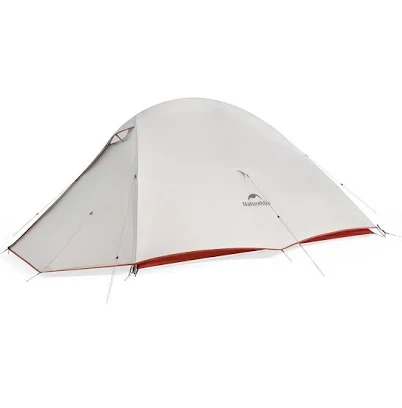
Naturehike Cloud Up Pro 2-Person Ultralight Camping Tent
Skip until the brand discloses coating chemistry, ultralight tents typically use PFAS-based water-repellent coating.
This tent uses waterproof-coated polyester, but the brand won't disclose coating chemistry or PFAS status. Ultralight camping tents commonly rely on water-repellent coating treatments historically made with PFAS.
Still want this one anyway? Check the price on Amazon. We’d swap it.
Material
Polyester fabric with waterproof/water-resistant coating (type unspecified)
Brand disclosure
Brand is silent on PFAS
Lab data
No public lab test
What Naturehike Cloud Up Pro 2-Person is made of, ingredients and materials
The Cloud Up Pro 2 uses polyester fabric (likely 20D or 30D denier for weight reduction) with an unspecified water-resistant coating. Ultralight tents typically employ water-repellent coating (water-repellent coating) treatments; the coating chemistry directly determines whether PFAS is present. Polyester fabric itself is stable and does not degrade into microplastics under normal camping use, but the integrity of the waterproof layer affects long-term durability and exposure risk.
What’s concerning
Category baseline
The starting point for this type of product, before anything specific to this product is counted.
No PFAS disclosure
No public statement from the brand about PFAS in this product.
Waterproof / stain-resistant treatment
Water-repellent coating treatments have historically used PFAS.
water-repellent coating degradation and unknown chemistry
Polyester water-repellent coating coatings degrade with UV, washing, and age, potentially exposing users to coating particles or leachates. Without disclosed chemistry, presence of PFAS, formaldehyde-based resins, or other persistent chemicals cannot be ruled out.
VOC off-gassing from synthetic coatings
New polyester tents with water-resistant treatments may emit volatile organic compounds during the first few weeks, particularly in warm or enclosed spaces. This is generally temporary and subsides with airing; no brand-specific reports exist for this model.
Mold and bacterial growth if stored wet
Failure to dry the tent thoroughly before storage creates conditions for mold and mildew. This is a maintenance issue, not a material defect, but relevant to reliable long-term use of any synthetic tent.
What’s reassuring
Microplastic shedding from fabric wear
Polyester itself does not readily shed microplastics under normal camping stress. Significant microplastic release only occurs with abrasion or washing; ultralight tents are not typically machine-washed, limiting this risk.
Heavy metals
Polyester fabrics and modern water-repellent coating treatments are not typically sources of lead or cadmium; no specific incidents or recalls linked to Naturehike tents on this front.
Source, FDA ↗The full breakdown
The brand's record and disclosure
Naturehike has not published transparent information about water-repellent coating chemistry, coating type, or PFAS avoidance in their product specifications or corporate statements. No third-party certifications (Bluesign, GOTS, OEKO-TEX) are advertised for this model, which would typically indicate controlled chemical input. Absence of disclosure is a red flag in the ultralight outdoor category, where PFAS-containing treatments are still common industry practice.
How it compares in its category
Ultralight 2-person tents are price-competitive, and Naturehike is known for cost-effective designs. Premium competitors (Big Agnes, Nemo) increasingly disclose PFAS-free coatings or use wax-based alternatives; budget and mid-range brands often remain silent. At this tier, lack of disclosure is typical but not reassuring; this tent sits in the gray zone where PFAS risk cannot be ruled out.
If you buy it
Store in a cool, dry place away from direct sunlight to slow fabric degradation; UV exposure and heat accelerate polyester breakdown over 3-5 years. Avoid machine washing; spot-clean with mild soap and air-dry completely to prevent mold and coating damage. Inspect seams and coating annually for peeling or loss of water resistance. Do not expose to sustained heat (e.g., near campfires); polyester softens around 260°C but coating integrity is compromised at much lower temperatures.
What we don’t know
- Basis
- Model estimate, 45% confidence, not a lab result
- Lab test
- None on record for this exact product
- Brand statement
- Naturehike has made none
Formulations change between production runs, so check the current label. How we grade.
More camping tents & tarps grades
How we score, every product runs through the same public 0-100 rubric based on materials, coatings, brand disclosure, lab findings, and recalls. See the full methodology → Spotted a mistake? Report an error.