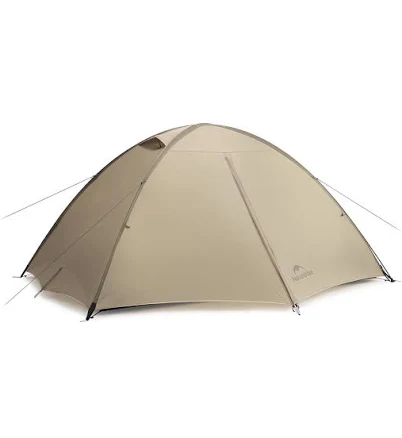
Naturehike · Camping Tents & Tarps
Naturehike Giling PRO 4-Season 2-Person Camping Tent
Skip until the brand discloses waterproof coating chemistry or certifies PFAS-free.
This 2-person tent requires waterproof treatment to function, but the brand doesn't disclose coating type or PFAS status. No third-party testing or PFAS-free certification is public.
Still want this one anyway? Check the price on Amazon. We’d swap it.
Material
Polyester fabric with waterproof coating (type unspecified)
Brand disclosure
Brand is silent on PFAS
Lab data
No public lab test
What Naturehike Giling PRO 4-Season 2-Person is made of, ingredients and materials
The Giling PRO uses polyester fabric (likely 210D or higher denier for durability) with an applied waterproof coating whose chemistry Naturehike has not publicly specified. Polyester itself is stable and non-toxic under normal use, but the coating formulation is critical, it may contain PFAS (fluorinated water repellents), phthalates as plasticizers, or other synthetics to achieve water resistance. Without disclosure, the composition cannot be verified. The tent's 4-season design implies heavy seams and layering, which increases surface area for any problematic coatings.
What’s concerning
Category baseline
The starting point for this type of product, before anything specific to this product is counted.
No PFAS disclosure
No public statement from the brand about PFAS in this product.
Waterproof / stain-resistant treatment
Water-repellent coating treatments have historically used PFAS.
PFAS
Naturehike has not disclosed whether the tent's water-repellent coating uses PFAS fluorochemicals, which are common in budget polyester waterproof coatings. Indefinite bioaccumulation and potential developmental or immune effects are documented for PFAS, though a camping tent is lower-exposure than food-contact items.
Source, ATSDR ↗Coating degradation and leachates during use
Unknown coating chemistry means unidentified degradation byproducts may leach into condensation inside the tent (contact with sleeping bag, skin) over extended 4-season use. No test data on leachate composition is publicly available.
Seam sealant toxicity
Tent seam sealers (applied to fabric joints) may contain organic solvents or adhesives not listed on product specifications. Naturehike does not publish sealant composition; off-gassing is typically minimal but uncharacterized.
What’s reassuring
Formaldehyde / VOCs
Polyester fabrics can contain trace formaldehyde from manufacturing resins, but Naturehike tents have no reported formaldehyde complaints or testing results in available records. Residual levels are typically low in finished consumer gear.
Source, ATSDR ↗Antimony in polyester fiber
Polyester can theoretically contain antimony (catalyst remnant), but migration into use is negligible from a non-dietary textile product, and no safety incidents are documented for Naturehike tents.
The full breakdown
The brand's record and disclosure
Naturehike, a Chinese outdoor brand, has published no publicly available safety data sheets, waterproof coating specifications, or PFAS commitment for this model. No third-party certifications (Bluesign, OEKO-TEX, GOTS) appear on record for this product line. The brand's silence on coating chemistry is typical of budget outdoor manufacturers but represents a transparency gap compared to premium brands like Big Agnes or MSR, which openly disclose or certify their fabric treatments. No recalls or contamination incidents are documented for Naturehike tents in available records.
How it compares in its category
Budget camping tents in this price range almost universally use either PFAS-based durable water repellents (water-repellent coating) or undisclosed proprietary coatings. Premium alternatives (Nemo, REI Co-op) increasingly offer PFC-free options or third-party testing. Naturehike's positioning is cost-competitive but offers no transparency advantage; you are assuming chemical risk similar to most entry-level tents unless the brand later discloses. Mid-range brands like Coleman and Coleman actually publish more material information than Naturehike does.
If you buy it
Store dry in a ventilated bag to prevent mildew and coating degradation; avoid prolonged direct sunlight, which can degrade synthetic coatings over 5+ years. Do not machine wash or dry clean (solvents can strip coatings); hand-rinse with cool water only. If the waterproof coating begins to bead water less after 2-3 seasons, replacement is advisable rather than attempting to re-coat it yourself. Keep seams sealed and inspect zippers and fabric regularly for tears that would require patching.
What we don’t know
- Basis
- Model estimate, 35% confidence, not a lab result
- Lab test
- None on record for this exact product
- Brand statement
- Naturehike has made none
Formulations change between production runs, so check the current label. How we grade.
More camping tents & tarps grades
How we score, every product runs through the same public 0-100 rubric based on materials, coatings, brand disclosure, lab findings, and recalls. See the full methodology → Spotted a mistake? Report an error.