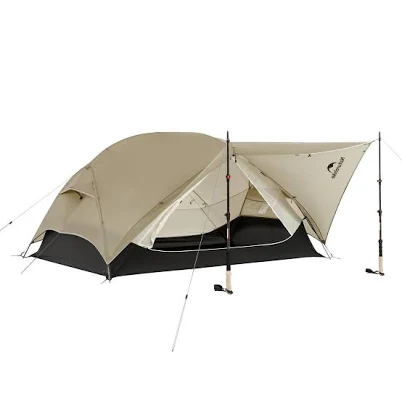
Naturehike · Camping Tents & Tarps
Naturehike Mongar UL 2-Person Ultralight Camping Tent
Skip or contact the brand, tent fabric water-repellent coating coatings commonly contain PFAS with no disclosure.
This tent uses polyester with a water-repellent coating typical of outdoor gear. The brand makes no statement on PFAS content or water-repellent coating chemistry.
Still want this one anyway? Check the price on Amazon. We’d swap it.
Material
polyester fabric with water-repellent coating (water-repellent coating) coating
Brand disclosure
Brand is silent on PFAS
Lab data
No public lab test
What Naturehike Mongar UL 2-Person Ultralight is made of, ingredients and materials
The Mongar UL uses polyester fabric with a water-repellent coating (water-repellent coating) coating to shed water without pooling. water-repellent coating coatings on outdoor textiles historically relied on fluorinated compounds (PFAS), though some manufacturers have migrated to fluorine-free alternatives. Naturehike's product specs do not disclose the specific water-repellent coating chemistry, so the presence or absence of PFAS cannot be confirmed from public information. The polyester base fabric itself is not a chemical hazard when intact; degradation risk is low under normal camping use.
What’s concerning
Category baseline
The starting point for this type of product, before anything specific to this product is counted.
No PFAS disclosure
No public statement from the brand about PFAS in this product.
Waterproof / stain-resistant treatment
Water-repellent coating treatments have historically used PFAS.
PFAS
Polyester tent fabrics with fluorinated water-repellent coating treatments are standard in this price category. Naturehike's silence on coating chemistry and lack of fluorine-free claims suggest possible legacy PFAS formulations, though no direct test data is public.
Source, ATSDR ↗Azo dyes in colored fabric
Polyester tent fabric, especially in darker colors, may use azo dyes that could release carcinogenic amines under extreme heat or UV degradation. No specific testing of Naturehike Mongar UL dyes is publicly available; risk is low in normal camping use.
Coating degradation and leaching
Water-repellent coating coatings can degrade over years of use and UV exposure, potentially releasing residual coating particles or monomers into dust or water runoff. Naturehike provides no guidance on coating lifespan or re-treatment protocols.
Mold and bacterial growth from moisture retention
If the tent is stored wet or in humid conditions, the polyester and water-repellent coating can trap moisture and support mold growth.
What’s reassuring
Formaldehyde / VOCs
Polyester fabric manufacturing may involve formaldehyde-based resins, but no specific health alerts or recalls are documented for Naturehike tents. Off-gassing risk is minimal in outdoor use.
Source, ATSDR ↗The full breakdown
The brand's record and disclosure
Naturehike is a Chinese outdoor-gear manufacturer with limited public transparency on material safety certifications or chemical disclosures. The brand does not publish PFAS statements, chemical inventories, or third-party safety testing results for this tent model. No established recalls or safety controversies are documented in English-language safety databases for Naturehike camping tents. Without proactive disclosure, it is reasonable to assume the water-repellent coating may contain legacy PFAS formulations common in the category.
How it compares in its category
Most budget and mid-range ultralight tents (including many Naturehike models) use polyester with fluorinated water-repellent coating coatings because they are cost-effective and durable. Premium brands (e.g., Big Agnes, Nemo) increasingly disclose fluorine-free water-repellent coating or allow inspection of material safety data sheets; Naturehike does not. The Mongar UL sits at the lower end of transparency, typical of Chinese outdoor-gear suppliers selling through online retailers. For PFAS-conscious buyers, this product requires direct contact with the manufacturer to confirm coating chemistry.
If you buy it
Store the tent dry in a cool, well-ventilated space to minimize off-gassing of any volatile compounds in the coating. Avoid prolonged heat exposure (e.g., leaving it packed in a hot car) as water-repellent coating coatings can degrade or release gases at elevated temperatures. Inspect the fabric regularly for tears or abrasion that could expose interior seams; small repairs can extend life and prevent mold growth in damp conditions. If PFAS contamination is a household health concern, request a material safety data sheet from Naturehike before purchase or consider brands with documented fluorine-free water-repellent coating alternatives.
What we don’t know
- Basis
- Model estimate, 42% confidence, not a lab result
- Lab test
- None on record for this exact product
- Brand statement
- Naturehike has made none
Formulations change between production runs, so check the current label. How we grade.
More camping tents & tarps grades
How we score, every product runs through the same public 0-100 rubric based on materials, coatings, brand disclosure, lab findings, and recalls. See the full methodology → Spotted a mistake? Report an error.