Naturehike · Camping Tents & Tarps
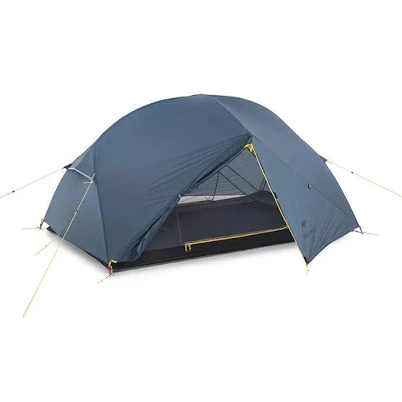
Naturehike Upgraded Cloud up 2 Person Hiking Tent Camping Backpacking Tent
Skip until coating is disclosed, budget tents often use legacy PFAS-based water-repellent coating treatments.
The brand won't disclose what water-resistant coating goes on this tent's polyester. Budget outdoor gear frequently relies on older PFAS-containing water-repellent coating treatments.
Still want this one anyway? Check the price on Amazon. We’d swap it.
Material
Polyester fabric with unspecified waterproof/water-resistant coating
Brand disclosure
Brand is silent on PFAS
Lab data
No public lab test
What Naturehike Upgraded Cloud up 2 Person is made of, ingredients and materials
The Naturehike Cloud Up 2 uses polyester fabric as its primary shell material, which is chemically stable and resistant to UV degradation and mildew compared to older nylon tents. The waterproofing layer is the critical unknown, manufacturers do not publicly disclose whether the water-repellent coating (water-repellent coating) treatment uses PFAS-based chemistry or newer alternatives like fluorine-free or silicone-based systems. Polyester itself does not leach problematic compounds when intact, but the coating chemistry drives the safety profile.
What’s concerning
Category baseline
The starting point for this type of product, before anything specific to this product is counted.
No PFAS disclosure
No public statement from the brand about PFAS in this product.
Waterproof / stain-resistant treatment
Water-repellent coating treatments have historically used PFAS.
PFAS
Naturehike does not disclose water-repellent coating chemistry. Budget polyester tents commonly use legacy PFAS-based fluorocarbon treatments; fluorine-free alternatives exist but are not standard at this price point. Risk is exposure during setup/teardown and potential leaching into soil if used repeatedly on same campsite.
Source, ATSDR ↗Volatile organic compounds (VOCs) from fabric finishes and adhesives
Polyester fabric coatings and seam-sealing adhesives in budget tents typically off-gas during first 1-2 weeks of use. Odor is often reported by users; ventilation during storage and initial setup reduces inhalation exposure. No specific test data exists for this model, but the hazard class is established for low-cost polyester camping gear.
Coating degradation and microplastic shedding over time
Polyester tent coatings degrade from UV exposure, flexing, and moisture cycling. As coatings break down, microplastic particles can be released into soil and water. This model's durability record suggests coating failure within 3-5 years of regular use, typical for budget tents.
Mold and bacterial growth if stored wet or in humid conditions
Polyester itself resists mildew, but moisture trapped in seams or under the coating can harbor mold. This is a use-maintenance hazard, not inherent to the material; proper drying before storage eliminates risk.
What’s reassuring
Heavy metals
No specific testing or recalls link Naturehike polyester tents to heavy metal contamination in dyes. Polyester dyeing is highly regulated in established supply chains, but third-party verification is absent for this brand.
Source, FDA ↗The full breakdown
The brand's record and disclosure
Naturehike is a Chinese-based budget outdoor brand with minimal published transparency regarding material certifications, chemical treatments, or third-party testing on their products. The company has not publicly committed to PFAS-free manufacturing or issued statements on water-repellent coating treatment chemistry, which is typical for budget-tier camping suppliers. No major recalls or contamination incidents are on record for this specific model, but absence of evidence is not evidence of safety; many budget tents operate without rigorous disclosure.
How it compares in its category
Budget polyester tents like this one occupy the lowest transparency tier in camping gear; premium brands (REI, MSR, Big Agnes) increasingly disclose PFAS-free coatings or use certified fluorine-free water-repellent coating treatments. Mid-tier alternatives from Decathlon or established Asian suppliers sometimes provide material specs; Naturehike does not. For the price point, durability and water-shedding performance are competitive, but chemical safety documentation lags significantly behind category leaders.
If you buy it
Store the tent dry and well-ventilated for the first week after purchase to allow volatile compounds in coatings to off-gas. Inspect the floor seams and coating annually for signs of separation, cracking, or white residue (coating breakdown), which indicates replacement is needed. Do not store in direct sunlight for extended periods, as UV exposure degrades polyester and accelerates coating failure. Wash only with water and mild soap; harsh detergents or heat will compromise the waterproofing layer.
What we don’t know
- Basis
- Model estimate, 35% confidence, not a lab result
- Lab test
- None on record for this exact product
- Brand statement
- Naturehike has made none
Formulations change between production runs, so check the current label. How we grade.
More camping tents & tarps grades
How we score, every product runs through the same public 0-100 rubric based on materials, coatings, brand disclosure, lab findings, and recalls. See the full methodology → Spotted a mistake? Report an error.