Naturehike · Camping Tents & Tarps
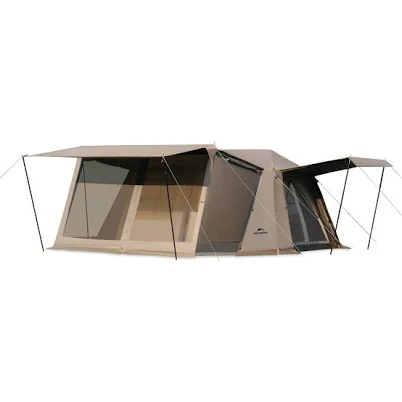
Naturehike Village 13 8-Person Automatic Cabin Tent, TIBLACK Premium
Avoid or get more info; tent waterproofing typically has PFAS and brand won't say.
Naturehike keeps silent on whether this cabin tent's water-repellent finish contains PFAS. Most camping tents use older fluorinated water-repellent coating coatings for durability. Without brand transparency or lab testing, assume potential PFAS exposure if that concerns your home.
Still want this one anyway? Check the price on Amazon. We’d swap it.
Material
Polyester fabric with water-repellent coating (water-repellent coating) coating
Brand disclosure
Brand is silent on PFAS
Lab data
No public lab test
What Naturehike Village 13 8-Person Automatic is made of, ingredients and materials
This tent is constructed from polyester fabric with a water-repellent coating (water-repellent coating) coating applied to the outer layer. Polyester itself is chemically stable and does not leach plasticizers or BPA under normal use conditions. However, the water-repellent coating is the critical unknown, waterproofing treatments on textiles have historically relied on perfluorinated compounds (PFAS), though some manufacturers now use fluorine-free or Teflon-type coating-based alternatives. Naturehike has not publicly disclosed which water-repellent coating chemistry is used on this model.
What’s concerning
Category baseline
The starting point for this type of product, before anything specific to this product is counted.
No PFAS disclosure
No public statement from the brand about PFAS in this product.
Waterproof / stain-resistant treatment
Water-repellent coating treatments have historically used PFAS.
water-repellent coating chemistry (fluorinated compounds)
Polyester tent coatings typically use PFAS-based water-repellent coating treatments; Naturehike has not disclosed its formulation. Risk is minimal during normal outdoor use but represents an unknown chemical exposure if the coating degrades or is ingested via hand contact to mouth.
Polyester fiber shedding (microfiber)
Degraded or worn polyester fabric can shed microfibers, especially if the tent is stored in high humidity or handled roughly. Inhalation or ingestion risk is low but non-zero during setup, teardown, and storage maintenance.
What’s reassuring
Formaldehyde / VOCs
Polyester textiles may contain formaldehyde-based anti-wrinkle or anti-mildew resins, but no recalls or warnings are on record for Naturehike tents. Industrial polyester fabrics for outdoor use typically use minimal or no formaldehyde finishes due to weathering, making this a low concern.
Source, ATSDR ↗Heavy metals
The TIBLACK variant uses a black dye; no evidence of heavy metal contamination (lead, cadmium, chromium) is on record for Naturehike polyester tents. Outdoor polyester dyes are generally stable and do not migrate into skin or food during normal use.
Source, FDA ↗Flame retardants
Polyester tents are not treated with added flame retardants (unlike furniture or children's sleepwear); natural polyester flammability is acceptable under outdoor use standards, and no chemical flame treatments are known or required for this product category.
Source, EPA ↗The full breakdown
The brand's record and disclosure
Naturehike is a Chinese outdoor equipment brand with limited public transparency regarding chemical composition or safety certifications. No recalls, certifications (BLUESIGN, OEKO-TEX), or sustainability statements are on record for this specific model. The brand does not appear to have published a PFAS stance or roadmap to phase out fluorinated treatments. This silence is not uncommon among mid-market outdoor brands, but it represents a gap in verifiable safety information.
How it compares in its category
Most 8-person cabin tents in this price range use polyester with water-repellent coating coatings; the Naturehike is typical. Competitors like Coleman and Outbound offer similar construction without greater disclosed safety detail. Premium brands (MSR, Big Agnes) increasingly label fluorine-free or Teflon-type coating-alternative coatings, setting a higher transparency bar. Budget cabin tents rarely disclose water-repellent coating chemistry, making this product neither exceptionally high concern nor notably lower concern than peers.
If you buy it
Use the tent outdoors only; do not store or heat-treat the fabric indoors, as this would not trigger off-gassing concerns but avoids any hypothetical volatilization of coating chemicals. Inspect seams and coating annually for degradation; if the water-repellent coating flakes or peels, replace rather than repair with sealants of unknown chemistry. Air-dry only; machine wash or prolonged heat exposure may degrade the coating. Contact Naturehike directly to request water-repellent coating specification before purchase if PFAS avoidance is a priority.
What we don’t know
- Basis
- Model estimate, 45% confidence, not a lab result
- Lab test
- None on record for this exact product
- Brand statement
- Naturehike has made none
Formulations change between production runs, so check the current label. How we grade.
More camping tents & tarps grades
How we score, every product runs through the same public 0-100 rubric based on materials, coatings, brand disclosure, lab findings, and recalls. See the full methodology → Spotted a mistake? Report an error.