Naturehike · Camping Tents & Tarps
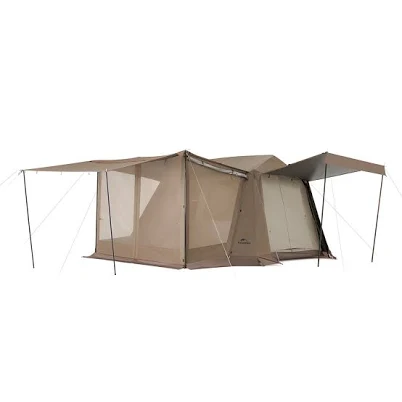
Naturehike Village 6.0 Flagship Model 2nd Camping Tent
Wait for Naturehike to confirm their water-repellent coating formula, as waterproof camping tents routinely use PFAS.
The Village 6.0 combines polyester with a water-repellent treatment, a class historically built on PFAS-based water-repellent coating finishes. Naturehike discloses nothing about PFAS status or lab verification. With no coating specifics available, concern stays elevated.
Still want this one anyway? Check the price on Amazon. We’d swap it.
Material
Polyester fabric with water-repellent coating (water-repellent coating) coating
Brand disclosure
Brand is silent on PFAS
Lab data
No public lab test
What Naturehike Village 6.0 Flagship Model 2nd is made of, ingredients and materials
The Village 6.0 uses polyester fabric with a water-repellent coating (water-repellent coating) coating to shed rain and maintain weatherproofing. Polyester itself is chemically stable in normal camping conditions and does not leach toxic monomers. The water-repellent coating is the critical unknown, most commercial waterproof tent coatings historically used PFAS-based chemicals (PFOA, GenX, or other fluorinated compounds) because they excel at repelling both water and oil. Naturehike has not publicly disclosed whether this model uses fluorinated or fluorine-free water-repellent coating, which is the primary safety concern.
What’s concerning
Category baseline
The starting point for this type of product, before anything specific to this product is counted.
No PFAS disclosure
No public statement from the brand about PFAS in this product.
Waterproof / stain-resistant treatment
Water-repellent coating treatments have historically used PFAS.
PFAS
Standard polyester tent coatings commonly use fluorinated water repellents; Naturehike has not disclosed water-repellent coating chemistry. Exposure risk is primarily dermal or inhalation during off-gassing in enclosed spaces (poor ventilation during setup or storage).
Source, ATSDR ↗Polyester microfiber shedding
Heavily used polyester tents may shed microfibers, especially at seams and where fabric abrades against frames or ground. Risk increases with age and UV exposure. Inhalation of shed fibers in poorly ventilated tents is the primary exposure pathway.
Volatile organic compounds (VOC) off-gassing
New polyester fabric with water-repellent coating may release low levels of VOCs (formaldehyde, toluene, other solvents) during first several uses, particularly in warm or enclosed conditions. Off-gassing typically diminishes after 1-2 weeks of air drying.
Mold and bacterial growth
If stored damp or in humid conditions without ventilation, polyester fabric and foam floor layers can harbor mold and bacteria. Risk is behavioural (improper storage) rather than chemical, but can trigger respiratory irritation.
What’s reassuring
Flame retardants
No independent reports indicate this tent incorporates flame retardant chemicals beyond what polyester resin inherently provides. Camping tents are not typically treated with additional FR compounds, though interior foam floor may contain legacy brominated or phosphorus-based additives if sourced from recycled material. No recalls or warnings on record for this model.
Source, EPA ↗The full breakdown
The brand's record and disclosure
Naturehike is a Chinese outdoor brand with limited public transparency on chemical sourcing or safety standards. No major recalls, certifications (OEKO-TEX, bluesign), or environmental disclosures have been established for this model in English-language sources. The brand's silence on water-repellent coating chemistry mirrors broader industry practice, but represents a missed opportunity to differentiate from competitors using fluorine-free water repellents. Absence of third-party testing or green certifications for this specific tent means purchasers cannot verify coating chemistry independently.
How it compares in its category
Most mass-market polyester camping tents in the USD 200-400 range use some form of water-repellent coating, and the majority still rely on PFAS or PFAS derivatives due to cost and proven durability. Premium brands (MSR, Big Agnes) increasingly market PFAS-free coatings but at higher price points. Naturehike's pricing and market positioning suggest this model likely uses conventional PFAS-based water-repellent coating rather than the more expensive fluorine-free alternatives (e.g., polyacrylate-based), but this is an educated inference, not confirmed fact.
If you buy it
Avoid prolonged skin contact with the tent exterior, especially in rain, as repeated contact with water-repellent coating introduces a potential PFAS exposure route. Air the tent thoroughly in sunlight after trips to off-gas any volatile organics and reduce interior condensation buildup, which can concentrate coating particles. Inspect seams and floor annually for wear; degraded areas may shed microfibers and coating residue. Do not wash the tent with harsh detergents, as this can degrade the water-repellent coating layer and potentially mobilize coating chemicals into water and soil.
What we don’t know
- Basis
- Model estimate, 45% confidence, not a lab result
- Lab test
- None on record for this exact product
- Brand statement
- Naturehike has made none
Formulations change between production runs, so check the current label. How we grade.
More camping tents & tarps grades
How we score, every product runs through the same public 0-100 rubric based on materials, coatings, brand disclosure, lab findings, and recalls. See the full methodology → Spotted a mistake? Report an error.