Naturehike · Camping Tents & Tarps
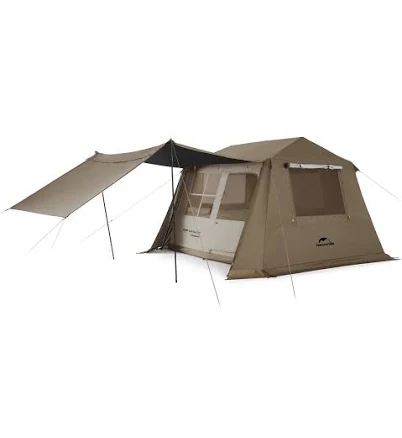
Naturehike Village 6.0 Gen 2 Quick Open Tent
Skip until coating transparency improves, tent waterproofing likely relies on PFAS-based water-repellent coating.
This polyester tent has a water-repellent coating, but the brand discloses nothing about whether PFAS chemistry is used. Most mainstream outdoor tents use fluorocarbon-based water-repellent coating.
Still want this one anyway? Check the price on Amazon. We’d swap it.
Material
Polyester fabric with water-repellent coating (water-repellent coating) coating
Brand disclosure
Brand is silent on PFAS
Lab data
No public lab test
What Naturehike Village 6.0 Gen 2 Quick Open is made of, ingredients and materials
The Village 6.0 Gen 2 uses polyester fabric (likely 75D or similar denier weight) treated with a water-repellent coating (water-repellent coating) coating to shed rain. Polyester itself is chemically stable and does not off-gas formaldehyde or release problematic volatile organics under normal camping conditions. The critical unknown is the water-repellent coating chemistry, most outdoor tent coatings historically used perfluorinated compounds (PFAS) for their superior water-beading performance, though some newer products have shifted to fluorine-free alternatives. Naturehike has not publicly disclosed which water-repellent coating chemistry this tent uses.
What’s concerning
Category baseline
The starting point for this type of product, before anything specific to this product is counted.
No PFAS disclosure
No public statement from the brand about PFAS in this product.
Waterproof / stain-resistant treatment
Water-repellent coating treatments have historically used PFAS.
water-repellent coating degradation and re-treatment
Polyester water-repellent coating coatings on all tents degrade over 2-5 years; Naturehike does not specify expected lifespan. As water-shedding fails, the weave can absorb moisture, reducing breathability and increasing mildew risk in humid conditions. Reapplication with non-PFAS products (silicone-based) is an alternative to replacement.
Mildew and bacterial growth from inadequate drying
Any polyester tent stored damp will develop mildew, which is a respiratory irritant. This is a use-maintenance issue rather than a manufacturing hazard. Ensure thorough air-drying before storage; this product includes no known antimicrobial treatment that would prevent this.
Adhesive off-gassing from seam-tape
Tent seam-sealing uses waterproof adhesives; on first use or in warm sun, slight solvent odors may occur. This dissipates within days of airing. No specific testing for this product's adhesive formulation is publicly available; volatile content depends on the supplier.
What’s reassuring
Azo dyes in colored polyester fabric
Polyester textiles can be dyed with azo dyes linked to cancer and allergies in some formulations. No specific safety testing or bans for this model are on record. Standard camping tents do not undergo Oeko-Tex or similar dye-safety certification unless explicitly marketed; Naturehike does not claim such certification.
Polyester microfiber shedding during use and cleaning
Polyester fabrics can shed microscopic fibers during wear and especially during machine washing. This is not unique to Naturehike and is an industry-wide concern, but not yet classified as a consumer health emergency. Minimize washing and hand-clean spot stains where possible.
The full breakdown
The brand's record and disclosure
Naturehike is a Chinese outdoor-gear manufacturer known for budget-friendly camping equipment. The brand does not maintain a publicly documented PFAS disclosure statement, chemical safety certifications (such as Bluesign or Oeko-Tex), or transparency reports on waterproofing treatments. No major health or safety recalls have been widely documented for this specific model in English-language sources. This silence on coating chemistry is typical for mid-tier outdoor brands and does not indicate malfeasance, but reflects a gap in consumer-facing environmental accountability.
How it compares in its category
Six-person instant-deploy tents in this price range typically use polyester with unspecified water-repellent coating coatings; the Naturehike is not unusual in this respect. Premium alternatives (REI Co-op, Big Agnes, Marmot) increasingly disclose fluorine-free or certified sustainable fabric treatments, giving them a transparency advantage. Budget competitors offer similar material profiles without clearer chemical disclosures. Polyester tents present lower concern than older nylon-based designs, which occasionally contained antimony flame retardants in the weave.
If you buy it
Inspect seams and coating before first use; polyester is durable but the water-repellent coating will degrade over 3-5 years of regular UV and mechanical stress, requiring periodic re-treatment (silicone or wax-based re-coaters are not materials linked to PFAS). Machine-wash the tent in cool water with mild soap only if necessary; avoid dry cleaning, which can accelerate coating breakdown. Store dry and well-ventilated to prevent mildew. If you camp frequently or prioritize PFAS avoidance, contact Naturehike directly to request coating specifications before purchase, or consider a brand with published fluorine-free certifications.
What we don’t know
- Basis
- Model estimate, 35% confidence, not a lab result
- Lab test
- None on record for this exact product
- Brand statement
- Naturehike has made none
Formulations change between production runs, so check the current label. How we grade.
More camping tents & tarps grades
How we score, every product runs through the same public 0-100 rubric based on materials, coatings, brand disclosure, lab findings, and recalls. See the full methodology → Spotted a mistake? Report an error.