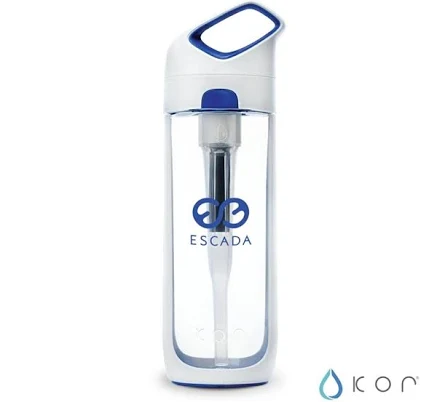
Promotional KOR Nava Water Bottle w/Filter - 24ozs
Lower concern for PFAS risk but brand transparency is lacking.
KOR Nava water bottles are commonly made from Tritan copolyester or polycarbonate with carbon-based replaceable filters, materials not typically associated with intentional PFAS addition. The brand provides no public PFAS disclosure or third-party testing.
We flunk more products than we pass. This one earned its grade. How we grade
Material
Plastic bottle (likely Tritan or polycarbonate) with replaceable carbon filter
Brand disclosure
Brand is silent on PFAS
Lab data
No public lab test
What Promotional KOR Nava Water Bottle is made of, ingredients and materials
The Nava bottle is most likely Tritan copolyester or polycarbonate, both BPA-free plastics designed for beverage use. Tritan in particular has been engineered to avoid bisphenol compounds and is generally considered stable at room temperature and during cold/lukewarm water use. The replaceable carbon filter is a standard activated-carbon cartridge, which does not leach harmful substances into water when properly maintained, but can harbor bacterial growth if left wet and unmaintained between uses.
What’s concerning
No PFAS disclosure
No public statement from the brand about PFAS in this product.
Bacterial contamination in carbon filter
Activated carbon filters are porous and can harbor bacteria and mold if left wet and unmaintained. Risk is not inherent to Naya brand alone but depends entirely on user cleaning and replacement discipline; improper filter care negates filtration benefit.
Plastic degradation and microplastic shedding
Repeated thermal stress (hot water, dishwasher), UV exposure, and physical wear can degrade Tritan or polycarbonate over time, potentially releasing microplastics into water. No recalls or specific incidents on record for Naya bottles, but risk is inherent to all plastic beverage containers under harsh conditions.
What’s reassuring
Base material not linked to PFAS
The main material recorded for this product is not one associated with PFAS.
BPA & bisphenols
Tritan and modern polycarbonate used in beverage bottles are formulated to exclude BPA and BPS; no documented leaching at room temperature in this product category, though risk increases if bottle is heated or exposed to prolonged UV.
Source, FDA ↗Filter cartridge composition and leachables
Standard activated-carbon filters do not release carbon dust or chemical binders into water when manufactured to basic standards; however, public information on Naya filter material sourcing and quality control is absent, limiting independent verification.
Phthalates
Tritan is phthalate-free by design; polycarbonate alternatives depend on formulation. No known contamination in promotional Naya bottles, but brand does not publish material safety data sheets or certification details to confirm specific resin composition.
Source, ATSDR ↗The full breakdown
The brand's record and disclosure
Naya (owned by Groupe Danone) does not publicly emphasize material transparency or third-party safety certifications for promotional bottles; standard corporate disclosure is minimal compared to direct-to-consumer water bottle brands. No known recalls or safety controversies involving Naya water bottles have been established in public records. The brand's silence on PFAS in manufacturing and filter components reflects broader industry practice but limits consumer confidence in proactive testing.
How it compares in its category
Filtered water bottles occupy a middle ground, they avoid single-use plastics and reduce bottled-water waste, but introduce maintenance complexity and filter-cartridge waste. Nava's product is typical of mass-market promotional bottles (sturdy but not premium); it lacks certifications like NSF or FDA approval that higher-end filtered bottles advertise. Compared to stainless-steel or glass alternatives, plastic bottles carry inherent leaching risk under stress (heat, acidic contents, UV), though minimal at normal use.
If you buy it
Keep the bottle away from hot water, dishwashers, and direct sunlight, as these accelerate plastic degradation and potential leaching. Replace the carbon filter every 2 to 3 months or per manufacturer instructions; rinse and dry the bottle thoroughly between uses to prevent mold and bacterial colonization in the filter chamber. Do not store acidic beverages (juice, vinegar, lemon water) for extended periods, as acids can weaken the plastic over time. Check that filter cartridges are sourced from the official Naya supplier to avoid counterfeit or poorly manufactured substitutes.
What we don’t know
- Basis
- Model estimate, 72% confidence, not a lab result
- Lab test
- None on record for this exact product
- Brand statement
- KOR has made none
Formulations change between production runs, so check the current label. How we grade.
Better-graded alternatives in Water Filters
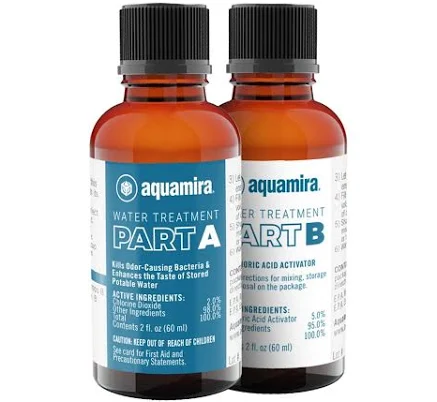
Aquamira
Water Storage Treatment 2 oz Glass Bottles 60 gallons Purification
- glass bottles, sodium dichloroisocyanurate treatment chemical
- We found no PFAS statement from the brand
- Chemical overdose or misuse
5 hazards checked on this product. See all of them.
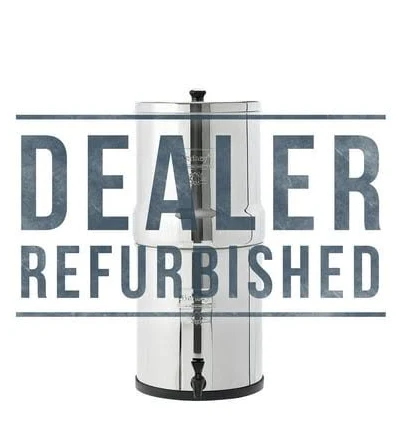
Big Berkey
Empty Housing with NO Filters Included
- Stainless steel housing and spigot
- We found no PFAS statement from the brand
- Bacterial growth and biofilm if filters not replaced
5 hazards checked on this product. See all of them.
LifeStraw
Home Glass Water Filter Pitcher
- Borosilicate glass pitcher, replaceable activated-carbon filter cartridge
- Bacterial growth in filter cartridge if unmaintained
5 hazards checked on this product. See all of them.
More water filters grades
How we score, every product runs through the same public 0-100 rubric based on materials, coatings, brand disclosure, lab findings, and recalls. See the full methodology → Spotted a mistake? Report an error.