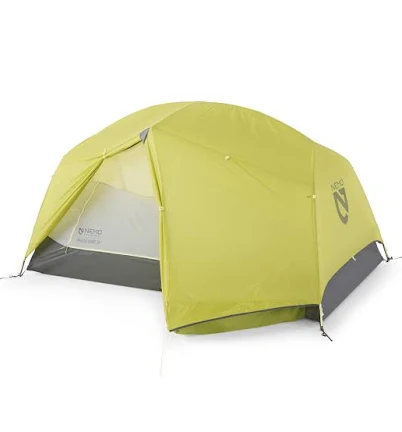
Nemo Equipment · Camping Tents & Tarps
Dagger OSMO Lightweight Backpacking Tent
Avoid until Nemo discloses its water-repellent coating formula or certifies PFAS-free.
Nemo Equipment does not disclose whether its Dagger tent uses fluorinated water-repellent coating or newer fluorine-free water repellents. Backpacking tents routinely rely on waterproofing treatments that historically contained PFOA and similar compounds.
Still want this one anyway? Check the price on Amazon. We’d swap it.
Material
Ripstop nylon with water-repellent coating (water-repellent coating) treatment
Brand disclosure
Brand is silent on PFAS
Lab data
No public lab test
What Dagger OSMO Lightweight Backpacking Tent is made of, ingredients and materials
The Dagger OSMO uses ripstop nylon fabric with a water-repellent coating (water-repellent coating) finish. Ripstop nylon itself is a stable polymer with no known leaching hazards under normal use. The critical unknown is the water-repellent coating treatment chemistry, traditional fluorocarbon-based water-repellent coating coatings are a common PFAS delivery mechanism in outdoor gear, though some manufacturers now use alternatives like silicone or wax blends that are not materials linked to PFAS. Nemo Equipment has not publicly disclosed which water-repellent coating chemistry they use in this product.
What’s concerning
Category baseline
The starting point for this type of product, before anything specific to this product is counted.
No PFAS disclosure
No public statement from the brand about PFAS in this product.
Waterproof / stain-resistant treatment
Water-repellent coating treatments have historically used PFAS.
PFAS
Nemo does not disclose whether the water-repellent coating treatment contains fluorocarbon (PFAS-based) or PFAS-free chemistry. Fluorocarbon water-repellent coating coatings are a documented PFAS source in outdoor textiles and can off-gas or leach in wet conditions, though human exposure from field use is considered low-risk compared to manufacturing and disposal.
Source, ATSDR ↗VOC off-gassing from adhesives or seam treatments
Seam sealing adhesives and polyurethane coatings used in tent construction may release low levels of VOCs during initial use, particularly in warm or enclosed storage. Off-gassing diminishes within 24-48 hours of airing in ventilation; risk is temporary and not acute.
Nylon degradation and microfiber shedding over time
Extended UV exposure and mechanical wear can degrade ripstop nylon, releasing small synthetic fibers into soil or water at end-of-life. This is a general concern for all synthetic textiles rather than a specific manufacturing hazard, and occurs primarily during disposal or after years of heavy use.
What’s reassuring
Formaldehyde / VOCs
Ripstop nylon does not typically require formaldehyde-based resins; no established reports of formaldehyde in Nemo tents or similar nylon-based camping gear. This hazard is not a concern for this material class.
Source, ATSDR ↗Heavy metals
Nylon fibers are typically dyed with disperse or acid dyes; heavy metal-laden azo dyes are not standard in outdoor nylon fabrics. No safety incidents or testing failures on record for Nemo tents in this category.
Source, FDA ↗The full breakdown
The brand's record and disclosure
Nemo Equipment is a subsidiary of Johnson Outdoors and is recognized for lightweight backpacking design, but maintains minimal public transparency on chemical inputs to their materials. The brand has not published a PFAS policy, sustainability chemistry reports, or third-party certifications (such as OEKO-TEX or Bluesign) that would clarify water-repellent coating composition. No recalls or documented safety incidents specific to this product or brand are on record.
How it compares in its category
Most lightweight backpacking tents in this price and weight class use ripstop nylon with water-repellent coating, making this material composition typical rather than distinctive. A small but growing subset of competitors (Big Agnes, MSR) have begun disclosing PFAS-free water-repellent coating choices or pursuing certifications; Nemo has not adopted this practice. Ripstop nylon is chemically more stable than PVC or vinyl tarps and poses lower overall hazard than heavier coated fabrics in this category.
If you buy it
Wash or wipe the tent with plain water before first overnight use to remove any loose particulates or processing residues from manufacturing. Do not machine-wash or tumble-dry; hand-clean with mild soap and air-dry only, which preserves the water-repellent coating and prevents heat damage to nylon. Avoid storing in direct sunlight or high heat (above 75°C/167°F), as nylon degrades under UV and thermal stress. If water-repellent coating performance declines after 2-3 years of heavy use, reapply a PFAS-free water-repellent coating product (such as silicone-based spray treatments) rather than replacing the tent.
What we don’t know
- Basis
- Model estimate, 45% confidence, not a lab result
- Lab test
- None on record for this exact product
- Brand statement
- Nemo Equipment has made none
Formulations change between production runs, so check the current label. How we grade.
More camping tents & tarps grades
How we score, every product runs through the same public 0-100 rubric based on materials, coatings, brand disclosure, lab findings, and recalls. See the full methodology → Spotted a mistake? Report an error.