Nemo Equipment · Camping Tents & Tarps
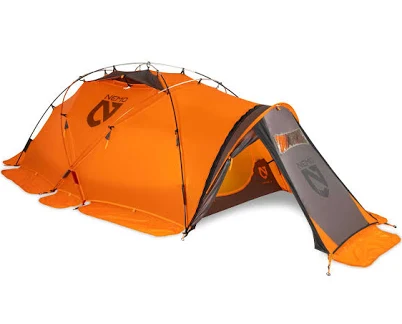
Mountaineering Tent NEMO Chogori 2P
Avoid until Nemo discloses its water-repellent coating chemistry or commits to PFAS-free waterproofing.
Polyester fabric with a durable water-resistant coating standard for mountaineering tents. Nemo does not disclose whether their water-repellent coating treatment contains PFAS.
Still want this one anyway? Check the price on Amazon. We’d swap it.
Material
Polyester fabric with water-repellent coating water-repellent coating (type unspecified)
Brand disclosure
Brand is silent on PFAS
Lab data
No public lab test
What Mountaineering Tent NEMO Chogori 2P is made of, ingredients and materials
The Chogori 2P uses polyester fabric as its primary shell material, which is not a material linked to PFAS concerns in outdoor applications. The critical unknown is the water-repellent coating (water-repellent coating) coating applied to this polyester. water-repellent coating coatings historically used PFAS-based chemistry (like PFOA), though some manufacturers have shifted to fluorine-free alternatives. Nemo has not publicly specified which type they use on this model, leaving the chemical composition of the waterproofing layer unclear.
What’s concerning
Category baseline
The starting point for this type of product, before anything specific to this product is counted.
No PFAS disclosure
No public statement from the brand about PFAS in this product.
Waterproof / stain-resistant treatment
Water-repellent coating treatments have historically used PFAS.
PFAS
Nemo has not disclosed whether the Chogori 2P uses fluorinated (PFAS) or fluorine-free water-repellent coating chemistry. Polyester tents typically receive some form of water-repellent treatment; undisclosed formulations carry unknown PFAS risk. Contact the manufacturer before assuming fluorine-free status.
Source, ATSDR ↗Coating degradation and microparticle release
As water-repellent coating coatings age and flake, fine particles can shed into the environment or onto skin during contact. Polyester tents are generally resistant to breakdown, but reapplied coatings may flake more readily if applied improperly or subjected to UV and physical stress.
What’s reassuring
Formaldehyde / VOCs
Polyester fabric used in modern tents is typically low-risk for formaldehyde resins (more common in cotton or cotton blends). No specific reports of formaldehyde or unusual VOC off-gassing from Nemo tents have been documented. Standard off-gassing from new synthetic materials may occur briefly and diminishes with airing.
Source, ATSDR ↗Flame retardants
Polyester is inherently flame-resistant due to its melting point and char behavior. No evidence suggests Nemo applies additional flame retardant chemicals to the Chogori 2P, which is standard practice for most tents (not required by consumer safety regulation).
Source, EPA ↗Heavy metals
The Chogori 2P is available in muted earth tones typical of polyester tent dyes. No recalls or reports of heavy metal contamination in Nemo tent fabrics are on record. Polyester dyes used in outdoor textiles are generally well-regulated, though independent testing would be required for confirmation.
Source, FDA ↗The full breakdown
The brand's record and disclosure
Nemo Equipment has not published a detailed disclosure of their water-repellent coating chemistry or committed to PFAS-free waterproofing standards, despite growing industry pressure. The company has no known recall history related to tent material toxicity. However, the silence on water-repellent coating composition is notable given that competitors like Big Agnes and MSR have begun publicizing fluorine-free commitments. Without transparent communication, consumers cannot assess whether this tent uses legacy PFAS coatings or alternative formulations with lower concern profiles.
How it compares in its category
Mountaineering tents universally require water-repellent coatings; the Chogori 2P is typical in this regard. Some competing brands (notably Fjallraven and certain ultralight manufacturers) now offer confirmed PFAS-free or fluorine-free options, though they may cost more or trade some water-shedding performance. Nemo's refusal to specify puts it in the middle tier of transparency, neither leading nor lagging notably compared to many mainstream outdoor brands. The polyester fabric itself is safer than older tent materials (e.g., cotton canvas or treated nylon), but the coating remains the variable.
If you buy it
Store the tent dry and well-ventilated to prevent mold growth and off-gassing. Avoid exposing it to prolonged direct heat (e.g., near campfires) or machine drying, as polyester can degrade and coatings can flake. Reapply water-repellent coating when water no longer beads on the fabric, typically every 1-3 seasons depending on use. Before purchase, contact Nemo directly and request written confirmation of water-repellent coating type and PFAS status; if they decline to answer, treat this as a reason to explore competitors with transparent chemistry.
What we don’t know
- Basis
- Model estimate, 45% confidence, not a lab result
- Lab test
- None on record for this exact product
- Brand statement
- Nemo Equipment has made none
Formulations change between production runs, so check the current label. How we grade.
More camping tents & tarps grades
How we score, every product runs through the same public 0-100 rubric based on materials, coatings, brand disclosure, lab findings, and recalls. See the full methodology → Spotted a mistake? Report an error.