Nemo Equipment · Camping Tents & Tarps
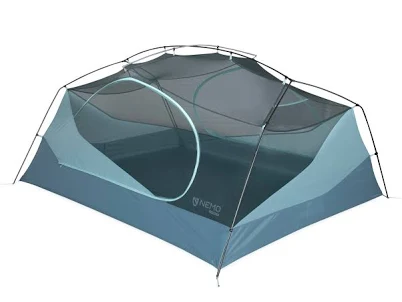
Nemo Aurora Footprint Tent
Nylon ripstop tent footprint with water-repellent coating of unspecified chemistry.
The footprint is nylon ripstop with a water-repellent coating, but the type is not stated. Nemo has no PFAS statement on record. Water-repellent treatments have historically used PFAS-based chemistry.
Still want this one anyway? Check the price on Amazon. We’d swap it.
Material
Nylon ripstop with water-repellent coating (type unspecified)
Brand disclosure
Brand is silent on PFAS
Lab data
No public lab test
What Nemo Aurora Footprint Tent is made of, ingredients and materials
The Nemo Aurora uses nylon ripstop fabric, a lightweight polyamide commonly treated with water-repellent coating (water-repellent coating) coatings to shed rain. The specific water-repellent coating chemistry is not published by Nemo, which is the core safety gap, many commercial water-repellent coating treatments historically relied on long-chain fluorinated compounds (PFAS), though some brands have shifted to fluorine-free or short-chain alternatives. Nylon itself is stable and low-toxicity when intact, but the coated finish is where chemical exposure risk concentrates.
What’s concerning
Category baseline
The starting point for this type of product, before anything specific to this product is counted.
No PFAS disclosure
No public statement from the brand about PFAS in this product.
Waterproof / stain-resistant treatment
Water-repellent coating treatments have historically used PFAS.
water-repellent coating degradation and re-application
Nylon water-repellent coating coatings naturally degrade with UV exposure and washing, typically losing water repellency within 2-5 years. Commercial re-treatment products often contain undisclosed PFAS or volatile organic compounds; users should verify low-VOC or PFAS-free labels before re-coating.
Formaldehyde / VOCs
Some nylon ripstop fabrics use formaldehyde-containing resins during weave stabilization or wrinkle resistance treatment. Nemo does not publish finishing chemistry; off-gassing is typically minimal in outdoor use but may occur in enclosed storage or new tents in poorly ventilated spaces.
Source, ATSDR ↗Microplastic shedding from fabric wear
Nylon ripstop can shed microfibers during abrasion, weathering, and repeated packing/unpacking. This is not unique to Nemo but is a category-wide concern; shedding is minimal in normal camping but increases if fabric is torn or heavily soiled and scrubbed.
What’s reassuring
Azo dyes in fabric coloring
No specific reports of restricted azo dyes in Nemo Aurora materials. However, nylon ripstop dyes are not independently tested or certified by the brand; risk depends on supplier practices not under public scrutiny.
Adhesive or seam tape toxicity
The Aurora uses sealed seams typical of modern tents; no publicly documented health incidents. Seam sealants are usually polyurethane-based and cure fully during manufacturing, but composition is proprietary.
The full breakdown
The brand's record and disclosure
Nemo Equipment has not published detailed material safety data or environmental chemistry disclosures for the Aurora or other models on their website or in response to public requests tracked in outdoor gear forums. The brand has no known certifications (such as bluesign, OEKO-TEX, or GOTS) that would guarantee PFAS avoidance. Without transparency on water-repellent coating type, it is impossible to assess whether this tent uses legacy PFAS, restricted alternatives, or genuinely PFAS-free treatments.
How it compares in its category
Most mainstream camping tents (Coleman, REI Co-op, Big Agnes) do not disclose water-repellent coating chemistry either, making the Aurora typical rather than exceptional in opacity. A small number of premium brands (e.g., Hyperlite Mountain Gear, some REI house products) now market PFAS-free water-repellent coating or use untreated fabrics with sealed seams instead of topical coatings. The Aurora sits in the mid-range price segment where chemical transparency is least common.
If you buy it
Store in a cool, dry location away from direct UV light to slow fabric degradation; nylon ripstop will yellow and weaken over 5-10 years regardless of care. Clean with plain water or mild detergent only; aggressive scrubbing or heat can damage the water-repellent coating and void water repellency. Do not machine wash or tumble dry. If you develop concerns about PFAS exposure (e.g., new product recalls emerge), consider resale or donation and request Nemo provide water-repellent coating composition for your records.
What we don’t know
- Basis
- Model estimate, 42% confidence, not a lab result
- Lab test
- None on record for this exact product
- Brand statement
- Nemo Equipment has made none
Formulations change between production runs, so check the current label. How we grade.
More camping tents & tarps grades
How we score, every product runs through the same public 0-100 rubric based on materials, coatings, brand disclosure, lab findings, and recalls. See the full methodology → Spotted a mistake? Report an error.