Nemo Equipment · Camping Tents & Tarps
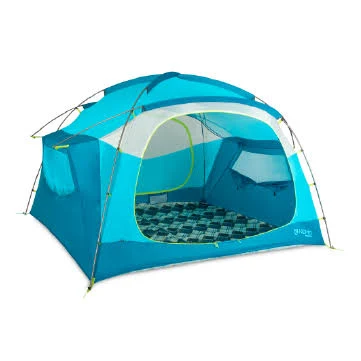
Nemo Aurora Highrise Camping Tent
Avoid until Nemo discloses its water-repellent coating formula or verifies PFAS-free.
Nemo Equipment makes quality camping tents with water-repellent coatings, but the brand does not disclose whether its water-repellent coating treatment uses PFAS or alternatives. Camping tents typically rely on fluorochemical water-repellent coating finishes, which are historically PFAS-heavy.
Still want this one anyway? Check the price on Amazon. We’d swap it.
Material
Polyester fabric with water-repellent coating (water-repellent coating) coating
Brand disclosure
Brand is silent on PFAS
Lab data
No public lab test
What Nemo Aurora Highrise Camping Tent is made of, ingredients and materials
The Nemo Aurora Highrise uses polyester fabric, a thermoplastic polymer that is inherently stable and does not off-gas formaldehyde or volatile organic compounds under normal conditions. The critical unknown is the water-repellent coating (water-repellent coating) finish applied to the polyester, historically, most outdoor brands use fluorocarbon-based water-repellent coating chemistry containing PFAS (PFAS "forever chemicals") to achieve water-shedding performance. Nemo has not publicly disclosed whether their water-repellent coating is PFAS-based, PFAS-free, or uses emerging alternatives like wax or silicone blends. The tent structure itself (seams, zippers, webbing) introduces no established chemical hazards beyond the water-repellent coating.
What’s concerning
Category baseline
The starting point for this type of product, before anything specific to this product is counted.
No PFAS disclosure
No public statement from the brand about PFAS in this product.
Waterproof / stain-resistant treatment
Water-repellent coating treatments have historically used PFAS.
PFAS
Standard industry chemistry for tent water repellency historically relies on fluorocarbon compounds; Nemo has not disclosed whether this product uses PFAS-free alternatives or confirmed PFAS content. PFAS accumulates in blood serum over time and is linked to immune and thyroid effects in toxicology literature.
Source, ATSDR ↗Mold and mildew from improper storage
Polyester fabric is susceptible to microbial colonization if stored damp or in high-humidity environments; this is a maintenance issue rather than a manufacturing defect, but can create respiratory irritation if spores are inhaled during setup in a moldy tent.
What’s reassuring
Polyester fabric degradation and microplastic shedding
Polyester tents shed microfibers when new or during compression/abrasion, but this occurs primarily during washing or heavy wear, not passive use. Camping exposure (wind, friction against gear) does not produce documented microplastic contamination risk under normal conditions.
Aluminum poles and oxidation
Nemo Aurora Highrise typically uses anodized aluminum shock-corded poles, which do not leach aluminum into food or drinking water because the tent does not contact consumables. Oxidation of poles is aesthetic rather than a health concern.
Flame retardants
No evidence that Nemo applies flame retardant finishes to recreational camping tents. Polyester itself is inherently flammable but not chemically treated with halogenated or organophosphate flame retardants in this category.
Source, EPA ↗The full breakdown
The brand's record and disclosure
Nemo Equipment is a subsidiary of Johnson Outdoors and has not issued a transparent public statement about PFAS use in their products or a timeline for phasing out fluorocarbon water-repellent coating treatments. Major outdoor brands like Patagonia and The North Face have committed to PFAS-free alternatives or disclosed their water-repellent coating chemistry; Nemo's silence on this issue is notable given industry-wide scrutiny since approximately 2019. No recalls or safety incidents specific to Nemo tent coatings have been established in public databases. Nemo does not advertise PFAS-free certification or third-party testing for this product.
How it compares in its category
Most modern camping tents in the premium segment use some form of water-repellent coating finish, and the industry norm has historically been PFAS-based coatings (C8 or C6 formulations). Some competitors (e.g., Big Agnes, MSR under certain certifications) have begun offering PFAS-free options or transparent disclosure. Budget tents sometimes omit water-repellent coating entirely or use lower-performance alternatives. The Nemo Aurora Highrise occupies the mid-to-premium price range ($300-500 range typical for this model), placing it in a category where competitors increasingly disclose or eliminate PFAS; Nemo's silence puts it slightly behind transparency leaders but not unique in the broader market.
If you buy it
Contact Nemo Equipment directly to request written confirmation of water-repellent coating chemistry before purchase; their customer service should be able to provide material safety data sheets or composition statements. During use, polyester fabric shows no hazard of this kind on record under normal camping conditions; do not intentionally heat the tent interior above 60C (140F) as high heat can degrade any coating. Reapply water-repellent coating treatments sparingly and only when performance noticeably declines (typically after 2-3 seasons of use); when recoating, choose a PFAS-free alternative such as silicone or wax-based products to minimize cumulative exposure. Store the tent dry and ventilated to prevent mildew; microbes on untreated or degraded polyester are a far more immediate concern than the fabric itself.
What we don’t know
- Basis
- Model estimate, 45% confidence, not a lab result
- Lab test
- None on record for this exact product
- Brand statement
- Nemo Equipment has made none
Formulations change between production runs, so check the current label. How we grade.
More camping tents & tarps grades
How we score, every product runs through the same public 0-100 rubric based on materials, coatings, brand disclosure, lab findings, and recalls. See the full methodology → Spotted a mistake? Report an error.