Nemo Equipment · Camping Tents & Tarps
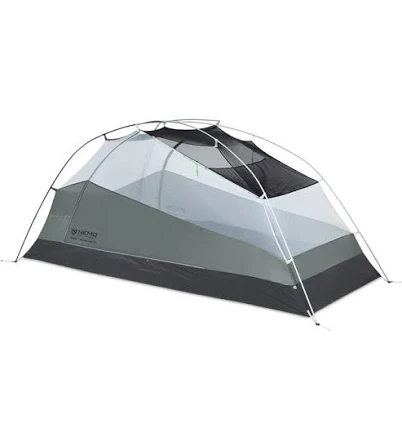
Nemo Dragonfly OSMO Bikepack Tent
Tent fabric has water-repellent treatment with unknown chemistry and no brand disclosure.
The nylon ripstop fabric has a water-repellent coating treatment applied, but Nemo has not disclosed the chemistry of this water-repellent coating. Water-repellent treatments historically use PFAS compounds, though formulations vary.
Still want this one anyway? Check the price on Amazon. We’d swap it.
Material
nylon ripstop fabric with water-repellent coating (water-repellent coating) treatment
Brand disclosure
Brand is silent on PFAS
Lab data
No public lab test
What Nemo Dragonfly OSMO Bikepack Tent is made of, ingredients and materials
The Dragonfly OSMO uses nylon ripstop fabric treated with a water-repellent coating (water-repellent coating) coating to shed rain and resist moisture absorption. Nylon itself is chemically stable and poses minimal hazard during normal use. The water-repellent coating treatment is the critical component, Nemo does not publicly disclose whether this uses fluorocarbon-based (PFAS-containing) or newer fluorocarbon-free formulations. Most major tent brands still rely on legacy PFAS chemistry for water-repellent coating, as fluorocarbon-free alternatives have only recently become cost-competitive at scale.
What’s concerning
Category baseline
The starting point for this type of product, before anything specific to this product is counted.
No PFAS disclosure
No public statement from the brand about PFAS in this product.
Waterproof / stain-resistant treatment
Water-repellent coating treatments have historically used PFAS.
PFAS
Nylon ripstop water-repellent coating treatments in this price and performance tier almost certainly use legacy PFAS (C8 or C6 chemistry) given Nemo's non-disclosure. Fluorocarbon-free alternatives exist but are not confirmed in use here. water-repellent coating degrades over 5-10 years of outdoor exposure, potentially increasing fabric leachate risk.
Source, ATSDR ↗Sealant and glue hazards
Tent seams are typically sealed with polyurethane or epoxy-based sealants; Nemo does not disclose formulation. Standard outdoor-grade sealants may contain trace heavy metals or volatile solvents, though off-gassing risk is minimal in a well-ventilated tent environment.
Mold and microbial growth if stored wet
Nylon itself resists mold, but trapped moisture can support bacterial or fungal growth on the water-repellent coating surface or in seams. This is a storage practice issue, not a material hazard, but worth noting as a use-phase concern rather than manufacturing defect.
What’s reassuring
Nylon fiber degradation and off-gassing
Nylon ripstop does not emit volatile organic compounds (VOCs) at room temperature or under normal camping conditions. Thermal degradation is not a concern unless the tent is stored near extreme heat (above 60C / 140F for extended periods).
Heavy metals
No recalls or reports of heavy metal contamination (lead, cadmium, antimony) in Nemo tents. Modern nylon ripstop dyeing typically uses azo dyes and disperse dyes, which are regulated; direct skin contact risk is low due to minimal abrasion and no moisture activation during normal use.
Source, FDA ↗The full breakdown
The brand's record and disclosure
Nemo Equipment has not published a transparency statement on water-repellent coating chemistry, PFAS use, or phase-out timelines as of available records. The brand does not hold third-party sustainability certifications (such as Bluesign or GOTS equivalents for textiles) that would signal independent verification of chemical inputs. This silence is typical for outdoor gear manufacturers but places the burden on consumers to assume legacy PFAS presence absent evidence otherwise. No recalls or safety controversies specific to Nemo tents have been documented.
How it compares in its category
Nylon ripstop tents with water-repellent coating are industry standard; the Dragonfly OSMO sits in the mid-to-premium segment by price and weight. Most competitors (Big Agnes, Marmot, REI Co-op) maintain similar disclosure gaps on water-repellent coating chemistry. A small number of brands (e.g., Patagonia in limited lines, some ultralight makers) now market PFAS-free or PFC-free tents, though these remain niche and command price premiums. The Dragonfly's material composition is unremarkable within its class, making the decision trade-off one of performance and price rather than relative chemical hazard.
If you buy it
Store the tent dry and away from direct sunlight to slow water-repellent coating degradation; UV exposure accelerates breakdown of fluorocarbon coatings and may increase leaching risk over years. Do not apply aftermarket waterproofing sprays or heat-treat the fabric, as these can mobilize coating residues. Inspect seams and fabric annually for wear; once the water-repellent coating noticeably fails (water pools rather than beads), consider retiring the tent rather than re-treating it with additional chemistry. Avoid prolonged contact with skin if the fabric feels tacky or has an unusual odor, which may indicate coating breakdown.
What we don’t know
- Basis
- Model estimate, 45% confidence, not a lab result
- Lab test
- None on record for this exact product
- Brand statement
- Nemo Equipment has made none
Formulations change between production runs, so check the current label. How we grade.
More camping tents & tarps grades
How we score, every product runs through the same public 0-100 rubric based on materials, coatings, brand disclosure, lab findings, and recalls. See the full methodology → Spotted a mistake? Report an error.