Nemo Equipment · Camping Tents & Tarps
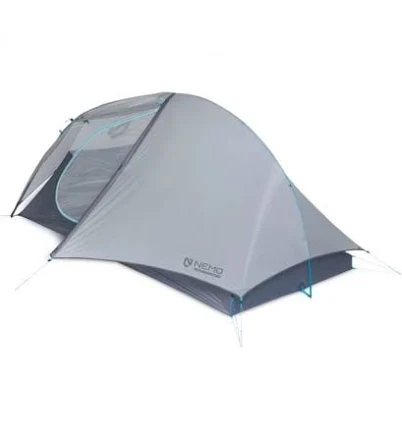
Nemo Hornet Elite OSMO Ultralight Backpacking Tent
Skip until brand reveals water-repellent coating chemistry or independently verifies PFAS-free status.
OSMO ultralight fabric with undisclosed water-repellent coating treatment for waterproofing. Nemo doesn't publicly specify whether their water-repellent coating uses PFAS-based or alternative chemistry, and no third-party testing exists.
Still want this one anyway? Check the price on Amazon. We’d swap it.
Material
Nylon ripstop fabric with water-repellent coating (water-repellent coating) coating; OSMO fabric technology
Brand disclosure
Brand is silent on PFAS
Lab data
No public lab test
What Nemo Hornet Elite OSMO Ultralight is made of, ingredients and materials
The Nemo Hornet Elite uses nylon ripstop fabric with OSMO water-repellent coating (water-repellent coating) coating. Nylon itself is a stable synthetic polymer with no established leaching hazards under normal camping use. The water-repellent coating is the material of concern, many water-repellent coating treatments historically relied on long-chain PFAS "forever chemicals" (PFAS), though newer alternatives exist. OSMO is Nemo's proprietary technology, but the company has not publicly disclosed whether it contains fluorinated compounds or is PFAS-free.
What’s concerning
Category baseline
The starting point for this type of product, before anything specific to this product is counted.
No PFAS disclosure
No public statement from the brand about PFAS in this product.
Waterproof / stain-resistant treatment
Water-repellent coating treatments have historically used PFAS.
water-repellent coating composition (fluorine status unknown)
OSMO technology is proprietary and not independently verified as PFAS-free. If fluorinated, water-repellent coating can shed microparticles over time with wear, though ingestion risk during camping is low; primary concern is manufacturing and end-of-life disposal.
Mold and bacterial growth (user-dependent)
If stored damp or in humid conditions, tent fabric can support mold and mildew, which are irritants. This is a maintenance issue, not a manufacturing defect, and is prevented by proper drying before storage.
Coating degradation and reapplication products
As water-repellent coating wears, users may apply aftermarket water-repellent coating treatments; the safety of these depends on the product chosen. Select reapplication water-repellent coating with verified PFAS-free or natural formulations to avoid introducing new chemicals.
What’s reassuring
Nylon fabric off-gassing (VOC)
Nylon ripstop fabrics do not typically release volatile organic compounds under normal outdoor storage or use temperatures. No recalls or complaints on record for this product.
Adhesive or thread treatments
Seam sealing adhesives and thread on ultralight tents are not disclosed by Nemo; industry standard adhesives are low-toxicity, and direct skin contact during camping is minimal.
The full breakdown
The brand's record and disclosure
Nemo Equipment has not published a detailed chemicals or PFAS disclosure statement as of available public records. The brand does not list independent certifications (such as OEKO-TEX or BLUESIGN) for this tent that would confirm water-repellent coating composition. Without direct inquiry to the manufacturer, the fluorine status of OSMO water-repellent coating remains opaque. This contrasts with some competitors (e.g., Big Agnes, MSR) who have begun disclosing water-repellent coating chemistry or transitioning to PFAS-free alternatives.
How it compares in its category
Ultralight backpacking tents universally require water repellency, making water-repellent coating coatings industry standard. Most major brands use either legacy fluorinated water-repellent coating, wax-based, or silicone-based treatments. Nemo's OSMO sits in the middle of the market in terms of transparency; some ultralight brands (notably cottage makers) explicitly advertise PFAS-free fabrics, while others remain silent like Nemo. Price and durability of this tent are competitive, but safety-focused buyers should factor in the chemical uncertainty against more transparent alternatives.
If you buy it
Store the tent dry to avoid mold growth and extend water-repellent coating lifespan. Do not machine wash; hand clean with mild soap and air dry only, as heat and detergents can degrade the coating prematurely. Reapply water-repellent coating treatment every 2-3 years with products you can verify (check the water-repellent coating bottle label for chemistry). Before purchase, contact Nemo directly asking whether OSMO is PFAS-free; their response will inform whether this tent aligns with your safety priorities.
What we don’t know
- Basis
- Model estimate, 45% confidence, not a lab result
- Lab test
- None on record for this exact product
- Brand statement
- Nemo Equipment has made none
Formulations change between production runs, so check the current label. How we grade.
More camping tents & tarps grades
How we score, every product runs through the same public 0-100 rubric based on materials, coatings, brand disclosure, lab findings, and recalls. See the full methodology → Spotted a mistake? Report an error.