Nemo Equipment · Camping Tents & Tarps
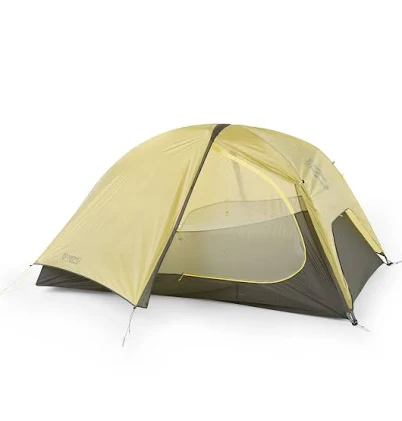
Nemo Hornet OSMO Backpacking Tent
Ripstop nylon tent with water-repellent coating of unspecified chemistry raises concern.
The Hornet OSMO has ripstop nylon with a water-repellent coating whose chemistry is not stated. Nemo has no PFAS statement on record. water-repellent coating treatments have historically used PFAS compounds.
Still want this one anyway? Check the price on Amazon. We’d swap it.
Material
ripstop nylon with water-repellent coating (type unspecified)
Brand disclosure
Brand is silent on PFAS
Lab data
No public lab test
What Nemo Hornet OSMO Backpacking Tent is made of, ingredients and materials
The Nemo Hornet OSMO uses ripstop nylon fabric, a lightweight polyamide weave prized for tear resistance and strength-to-weight ratio in backpacking tents. The fabric receives a water-repellent coating (water-repellent coating) coating to shed rain, but Nemo has not publicly disclosed whether this coating contains fluorinated compounds (PFAS) or non-fluorinated alternatives. Ripstop nylon itself is inert once manufactured, but the water-repellent coating finish applied during production is the potential concern for environmental and health exposure during use and eventual disposal.
What’s concerning
Category baseline
The starting point for this type of product, before anything specific to this product is counted.
No PFAS disclosure
No public statement from the brand about PFAS in this product.
Waterproof / stain-resistant treatment
Water-repellent coating treatments have historically used PFAS.
PFAS
Water-repellent coating chemistry is not disclosed by Nemo. Fluorinated water repellents (PFOAs, PFCs) are historically common in outdoor fabric treatments but increasingly phased out. No test data for this specific product is public; the hazard sits in the unknown category pending disclosure.
Source, ATSDR ↗What’s reassuring
Nylon microplastic shedding
Ripstop nylon fibers can shed under mechanical stress (abrasion, washing, weathering) and contribute to microplastic pollution. No specific testing or incident reports for Nemo tents exist, but this is a category-level concern for all synthetic tent fabrics.
water-repellent coating off-gassing or leaching
New nylon tents may emit volatile organic compounds (VOCs) or residual coating chemicals during initial use or in warm conditions. No adverse health reports are on record for Nemo products; typical practice is to air tents out before or after purchase and during storage.
Formaldehyde / VOCs
Industrial nylon production may involve formaldehyde-based resins or reactive dyes, but modern outdoor fabric manufacturers typically comply with OEKO-TEX or similar restrictions. Nemo does not advertise such certifications; no contamination reports are public.
Source, ATSDR ↗Adhesive toxicity in seams or construction
Seam taping and tent sealing glues can contain solvents or phthalates, but commercial outdoor tents are not subject to consumer product bans on these chemicals in most jurisdictions. No specific incidents linked to Nemo tents are documented.
The full breakdown
The brand's record and disclosure
Nemo Equipment has not issued a public commitment to PFAS-free waterproofing or transparently disclosed the chemistry of its water-repellent coating treatments across product lines. The company does not appear on major sustainability certifications (Bluesign, GOTS, or equivalent) for fabric safety. No product recalls or reported health incidents specific to Nemo tents are on public record, but the silence on water-repellent coating chemistry is a meaningful gap in consumer transparency common in the outdoor gear industry.
How it compares in its category
Most premium backpacking tents in this weight and price tier (including competitors like Big Agnes, MSR, and Zpacks) similarly use ripstop nylon with undisclosed water-repellent coating coatings. A small subset of brands (e.g., Hyperlite) now market PFAS-free or fluorocarbon-free alternatives, though at higher cost. The Hornet OSMO sits in the mainstream middle, standard materials and performance, but without the transparency or environmental commitment differentiators increasingly available at similar price points.
If you buy it
Clean and dry the tent promptly after use to minimize moisture and mold growth, which can accelerate coating breakdown and off-gassing. Store in a breathable bag or loose in a dry space, not sealed plastic, to prevent condensation and chemical degradation. Avoid machine washing or high-heat drying; hand wash gently if needed. Plan for 8-12 years of typical use before the water-repellent coating coat degrades and reapplication or retirement becomes necessary; recoating with an aftermarket product gives you the option to choose PFAS-free alternatives at that stage.
What we don’t know
- Basis
- Model estimate, 45% confidence, not a lab result
- Lab test
- None on record for this exact product
- Brand statement
- Nemo Equipment has made none
Formulations change between production runs, so check the current label. How we grade.
More camping tents & tarps grades
How we score, every product runs through the same public 0-100 rubric based on materials, coatings, brand disclosure, lab findings, and recalls. See the full methodology → Spotted a mistake? Report an error.