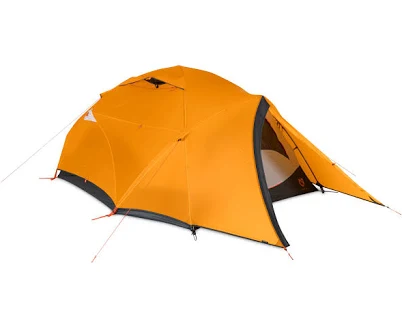
Nemo Equipment · Camping Tents & Tarps
Nemo Kunai 2P Backpacking Tent
Tent fabric has water-repellent coating of unspecified chemistry and no brand PFAS disclosure.
The polyester ripstop fabric has a water-repellent coating, but the coating's chemistry is not stated. Nemo Equipment has no public PFAS statement on record for this product, and no third-party testing data is available.
Still want this one anyway? Check the price on Amazon. We’d swap it.
Material
Polyester ripstop with water-repellent coating (type unspecified)
Brand disclosure
Brand is silent on PFAS
Lab data
No public lab test
What Nemo Kunai 2P Backpacking Tent is made of, ingredients and materials
The Kunai 2P uses polyester ripstop fabric, a durable synthetic weave designed to resist tearing. The critical unknown is the water-repellent coating (water-repellent coating) coating applied to the fabric; Nemo has not publicly disclosed whether this uses legacy PFAS compounds (like PFOA/PFOS) or modern alternatives. Polyester itself is chemically stable under normal use and does not leach monomers like BPA, but the finish chemistry determines environmental and handling safety.
What’s concerning
Category baseline
The starting point for this type of product, before anything specific to this product is counted.
No PFAS disclosure
No public statement from the brand about PFAS in this product.
Waterproof / stain-resistant treatment
Water-repellent coating treatments have historically used PFAS.
PFAS
Polyester tent fabrics commonly use either legacy PFAS or newer alternatives for water repellency; Nemo's lack of disclosure means legacy PFAS cannot be ruled out, particularly in older stock or international versions.
Source, ATSDR ↗Polyester fiber shedding and microplastic release
Ripstop weave is relatively stable, but abrasion (packing, ground contact, high wind) can generate microfiber shedding, particularly if the water-repellent coating degrades. Risk is low during typical use but increases with wear.
water-repellent coating degradation and reapplication toxicity
As the original water-repellent coating wears (3-5 years typical), users often reapply commercial water-repellent coating sprays or solutions; many aftermarket products also contain PFAS or other volatile compounds. Nemo provides no guidance on reapplication of the water-repellent coating.
What’s reassuring
Formaldehyde / VOCs
No recalls or reports of formaldehyde in Nemo tent fabrics; polyester ripstop does not inherently require formaldehyde-releasing resins (unlike some cotton or blended textiles).
Source, ATSDR ↗Heavy metals
No specific reports of cadmium, lead, or antimony in Nemo polyester tent dyes; polyester dyes are generally well-regulated, and outdoor gear brands rarely use problematic colorants.
Source, FDA ↗The full breakdown
The brand's record and disclosure
Nemo Equipment has not issued public statements on PFAS use or commitment to PFAS-free treatments in their tent lines. This silence is notable given that several outdoor gear competitors (Arc'teryx, Patagonia) have made explicit commitments to phase out legacy PFAS or use disclosed alternatives. Absence of certification (like bluesign or similar) for this product is consistent with the broader lack of transparency in the tent industry.
How it compares in its category
Most mid-range backpacking tents use polyester with water-repellent coating coatings; this is standard and usually performs well. Higher-transparency brands now label water-repellent coating type (such as 'fluorocarbon-free' or 'C6-based'); Nemo's silence puts it in the middle of an increasingly obsolete disclosure norm. Budget tents sometimes omit water-repellent coating entirely, shifting risk elsewhere; premium brands increasingly advertise PFAS-free status.
If you buy it
Store the tent dry and well-ventilated after each trip to prevent mildew and material degradation. Avoid heat sources (direct sunlight for weeks, heat guns, or high-temperature washing); the water-repellent coating can degrade prematurely and may require reapplication in 3-5 years depending on use. Use only mild soap and cool water for cleaning; harsh chemicals can strip or alter the finish. If PFAS exposure is a priority concern for you, contact Nemo directly requesting water-repellent coating chemistry disclosure before purchase.
What we don’t know
- Basis
- Model estimate, 45% confidence, not a lab result
- Lab test
- None on record for this exact product
- Brand statement
- Nemo Equipment has made none
Formulations change between production runs, so check the current label. How we grade.
More camping tents & tarps grades
How we score, every product runs through the same public 0-100 rubric based on materials, coatings, brand disclosure, lab findings, and recalls. See the full methodology → Spotted a mistake? Report an error.