Nemo Equipment · Camping Tents & Tarps
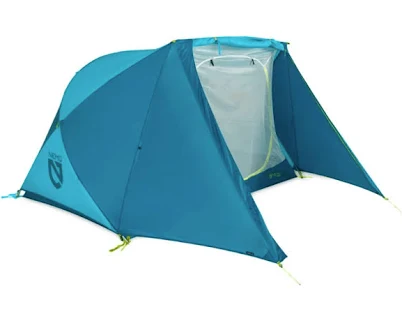
Nemo Switch 2-Person Multi-Configuration Camping Tent and Shelter
Avoid until confirmed PFAS-free; waterproof camping tents are traditional PFAS sources.
Polyester fabric with a water-repellent coating treatment for camping use. Nemo does not disclose PFAS chemistry or make any PFAS-free claims.
Still want this one anyway? Check the price on Amazon. We’d swap it.
Material
polyester fabric with water-repellent coating waterproof treatment (coating unspecified)
Brand disclosure
Brand is silent on PFAS
Lab data
No public lab test
What Nemo Switch 2-Person Multi-Configuration is made of, ingredients and materials
The Nemo Switch uses polyester fabric with an unspecified water-repellent coating (water-repellent coating) coating. Polyester itself is inert, but the water-repellent coating treatment applied to make it waterproof is the critical unknown, most outdoor tents still use fluorinated compounds (PFAS variants) to achieve water shedding, though some newer products use fluorine-free alternatives like silicone or polyurethane-based coatings. Nemo has not publicly disclosed which chemistry they use for this model, making the specific coating risk impossible to verify from available information.
What’s concerning
Category baseline
The starting point for this type of product, before anything specific to this product is counted.
No PFAS disclosure
No public statement from the brand about PFAS in this product.
Waterproof / stain-resistant treatment
Water-repellent coating treatments have historically used PFAS.
water-repellent coating leachates (unspecified fluorinated or non-fluorinated compounds)
The waterproof treatment chemistry is not disclosed. Fluorinated water-repellent coating compounds (PFAS) are known to leach into soil and water; non-fluorinated alternatives (silicone, wax, polyurethane) carry lower but not zero risk depending on formulation. Nemo's specific choice is unverified.
What’s reassuring
Polyester microfiber shedding during use and laundering
Polyester tents shed microfibers, particularly during setup, takedown, and washing. No specific recalls or documented health claims tied to this tent model; however, this is an inherent material property of synthetic textiles that increases microplastic exposure in the environment and potentially on skin during extended contact.
Formaldehyde / VOCs
Nemo tents are not known to have formaldehyde or problematic azo dye issues on public record. Polyester fabric and thread can carry these chemicals if not properly processed; no specific contamination has been reported for this brand or model.
Source, ATSDR ↗Seam sealant or adhesive off-gassing
Tent seams are often sealed with polyurethane or similar adhesives that can off-gas VOCs. No specific complaints or testing results are on record for the Nemo Switch; this is a generic concern for sealed tents during initial use and hot storage.
Metal frame degradation or corrosion
The Nemo Switch uses aluminum poles (typical for this category). Aluminum does not pose toxicity risk under normal use; corrosion or coating wear may occur over years but does not release hazardous leachates.
The full breakdown
The brand's record and disclosure
Nemo Equipment has no widely documented public commitments to PFAS-free manufacturing or third-party verification of their waterproof treatments as of available records. The brand does not appear to have issued transparency reports specifically naming water-repellent coating chemical families used in their tent lines. This silence is noteworthy in the outdoor gear sector, where some competitors (like Patagonia and certain other premium brands) have begun disclosing or transitioning to PFAS-free coatings; the absence of such a statement suggests either continued reliance on traditional fluorinated treatments or simply lack of public communication on the topic.
How it compares in its category
Camping tents are one of the most common sources of PFAS exposure in consumer products because waterproofing requires hydrophobic coatings. The Nemo Switch sits in the premium segment but offers no verified advantage over other mid-to-high-end tents in terms of coating chemistry transparency. Brands with third-party certifications or direct statements regarding lower fluorine content (identifiable through eco-labels or brand communications) may present lower concern; many budget and mid-range tents make identical unverified claims, so price alone does not correlate with concern level here.
If you buy it
Store the tent dry and avoid prolonged heat or direct sunlight when packed, as UV and moisture can degrade coatings over time and potentially increase leachate release. Do not wash the tent with harsh detergents or high heat; use cool water and mild soap, then air-dry fully to preserve the water-repellent coating layer. Inspect the seams and coating annually for wear; reapplication products exist but may reintroduce PFAS or other chemical concerns, so verify any treatment before use. Consider requesting a written confirmation from Nemo about the specific water-repellent coating chemistry used before purchase if chemical sensitivity is a concern.
What we don’t know
- Basis
- Model estimate, 45% confidence, not a lab result
- Lab test
- None on record for this exact product
- Brand statement
- Nemo Equipment has made none
Formulations change between production runs, so check the current label. How we grade.
More camping tents & tarps grades
How we score, every product runs through the same public 0-100 rubric based on materials, coatings, brand disclosure, lab findings, and recalls. See the full methodology → Spotted a mistake? Report an error.