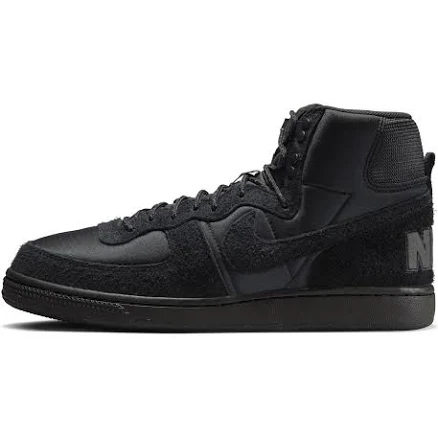
Nike Terminator High
No coating described, and no PFAS statement from the brand.
The product information we reviewed describes leather and textile upper, rubber sole, with no water-repellent coating named. Water resistance on products like this usually comes from the material and its seals rather than a surface treatment. The brand has published no PFAS statement for it.
Still want this one anyway? Check the price on Amazon. We’d swap it.
Material
Leather and textile upper, rubber sole
Lab data
No public lab test
You may also be interested in
Top-graded picks in the categories readers replace first, every one scored on the same rubric.

- polypropylene filter housing, carbon/sediment cartridge
- We found no PFAS statement from the brand
- Bacterial growth in spent cartridges
3 hazards checked on this product, all on its full breakdown.

Aquasure
Premier Series 75 GPD Under Sink Reverse Osmosis Water Filtration System
- RO membrane, carbon filters, stainless steel housing
- We found no PFAS statement from the brand
- Bacterial and microbial growth in housing and filters
4 hazards checked on this product, all on its full breakdown.

Avocado
Vegan Mattress
- organic cotton, natural latex, coconut coir, recycled steel coils
- The brand calls it PFAS-free, which we have not verified
- Heavy metals
2 hazards checked on this product, all on its full breakdown.
What Nike Terminator High is made of, ingredients and materials
The Terminator High combines a leather upper with textile reinforcement and a rubber sole, a traditional boot construction with well-understood material behavior. Leather itself does not leach heavy metals or endocrine disruptors under normal wear, though the tanning and finishing process may involve chemicals that were applied during manufacturing, not present as residual hazards in the finished product. The rubber sole and textile backing are inert under typical wearing conditions. No special coatings, ceramic finishes, or fluorinated water-repellent treatments are named in product documentation.
What’s concerning
Category baseline
The starting point for this type of product, before anything specific to this product is counted.
No PFAS disclosure
No public statement from the brand about PFAS in this product.
Formaldehyde / VOCs
Cotton or polyester textile components may have been finished with formaldehyde resins to improve wrinkle resistance or durability. Nike does not typically disclose resin types per product. Formaldehyde exposure risk is highest during initial wear and washing; volatilization decreases rapidly with time and ventilation.
Source, ATSDR ↗Azo dyes in leather or textile dye
Leather and synthetic textile dyes used in footwear may include azo compounds, some of which break down to carcinogenic amines under acidic or reductive conditions. Standard leather tanning does not typically pose acute risk, but wear-induced abrasion or skin contact in hot, damp conditions could theoretically elevate exposure. No specific azo dye restriction or audit results are published for thi
Rubber sole degradation and microparticle shedding
Rubber soles break down over months to years, shedding microparticles into the environment and potentially into skin if cracked sole material contacts open wounds. This is not specific to Nike and occurs with all rubber-soled footwear; it is a use-phase wear concern, not a manufacturing hazard. Regular sole inspection and replacement when cracked or heavily worn mitigates contact risk.
Adhesive off-gassing from sole-upper bond
Leather boots typically use polyurethane or contact cement adhesives to join the upper to the sole. These may emit volatile organic compounds (VOCs) during the first few weeks of wear, particularly if worn in warm conditions. Ventilation and air-drying significantly reduce exposure. No specific adhesive chemistry is disclosed by Nike for this model.
What’s reassuring
Base material not linked to PFAS
The main material recorded for this product is not one associated with PFAS.
Heavy metals
Chrome and aluminum are common in modern leather tanning but remain bound in the finished product and do not leach under normal foot-sweat pH conditions. No recalls or test data indicating leaching from Nike leather footwear are on record. Risk is substantially lower than from ceramic-glazed cookware or painted textiles.
Source, FDA ↗How is this PFAS grade calculated?
The brand's record and disclosure
Nike maintains a manufacturing transparency program and publishes periodic sustainability reports, though does not routinely break down chemical use or testing by individual SKUs. The brand has faced historical scrutiny over dye chemistry and solvent residues in footwear, but no recalls or warnings specific to the Terminator High are on record. Nike's silence on PFAS for this product is consistent with industry-wide lack of specificity; the absence of a waterproofing claim suggests no fluorinated treatments were applied.
How it compares in its category
Leather-rubber boots are among the lower-concern options in waterproof footwear because they avoid reliance on fluorinated or silicone-based water-repellent coatings that carry higher PFAS and off-gassing risk. Most competing waterproof boots in this price range use synthetic uppers, which may include dyes or finishes of variable transparency. The Terminator High's classic construction and lack of marketed 'breathable membrane' technology means fewer adhesives and technical coatings to degrade or emit volatiles over time.
If you buy it
Condition the leather regularly with appropriate balms or creams; this maintains water resistance without added chemicals and slows cracking that could expose substrate. Inspect seams and the sole-upper bond annually, especially if worn in wet conditions; replacement is straightforward when either fails. Store in a cool, dry place away from direct heat or sunlight to prevent leather brittleness and accelerated sole separation. No special off-gassing period is required; wear normally from purchase.
What is not known about PFAS in this product?
- Basis
- Model estimate, 45% confidence, not a lab result
- Lab test
- None on record for this exact product
- Brand statement
- Nike has made a specific claim
Formulations change between production runs, so check the current label. How we grade.
More waterproof boots grades
How we score, every product runs through the same public 0-100 rubric based on materials, coatings, brand disclosure, lab findings, and recalls. See the full methodology → Spotted a mistake? Report an error.