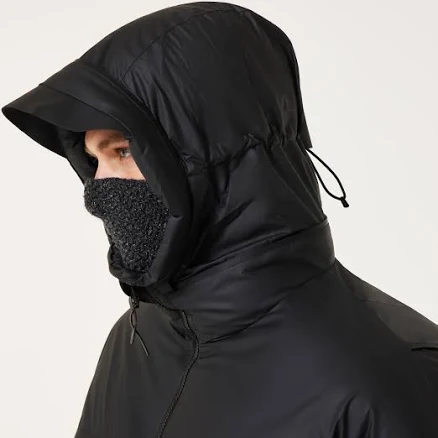
Oakley · Ski & Snowboard Jackets
Men Oakley Mthod Insulated Jacket
Insulated jacket with likely water-repellent coating; Oakley does not disclose PFAS status.
Oakley insulated jackets typically use water-repellent coating finishes common in outerwear. No public PFAS disclosure or testing from brand available. Higher uncertainty without transparency.
Still want this one anyway? Check the price on Amazon. We’d swap it.
Material
polyester/nylon with water-repellent coating water-repellent treatment
Brand disclosure
Brand is silent on PFAS
Lab data
No public lab test
You may also be interested in
Top-graded picks in the categories readers replace first, every one scored on the same rubric.

- polypropylene filter housing, carbon/sediment cartridge
- We found no PFAS statement from the brand
- Bacterial growth in spent cartridges
3 hazards checked on this product, all on its full breakdown.

Aquasure
Premier Series 75 GPD Under Sink Reverse Osmosis Water Filtration System
- RO membrane, carbon filters, stainless steel housing
- We found no PFAS statement from the brand
- Bacterial and microbial growth in housing and filters
4 hazards checked on this product, all on its full breakdown.

Avocado
Vegan Mattress
- organic cotton, natural latex, coconut coir, recycled steel coils
- The brand calls it PFAS-free, which we have not verified
- Heavy metals
2 hazards checked on this product, all on its full breakdown.
What Men Oakley Mthod Insulated Jacket is made of, ingredients and materials
This jacket is constructed from polyester and nylon blends, common synthetic fibers that are chemically stable during normal wear. The water-repellent coating (water-repellent coating) treatment applied to the outer shell is the primary chemical concern; these treatments have historically relied on PFAS compounds to create water-shedding properties, though some brands have migrated to fluorine-free alternatives. Oakley does not publicly specify which water-repellent coating chemistry is used on this model, making the exact chemical load unknown. Polyester itself does not inherently shed microplastics under normal wearing conditions, though abrasion over time can degrade the coating and potentially release fibers.
What’s concerning
Waterproof / stain-resistant treatment
Water-repellent coating treatments have historically used PFAS.
Category baseline
The starting point for this type of product, before anything specific to this product is counted.
No PFAS disclosure
No public statement from the brand about PFAS in this product.
Heavy metals
Polyester and nylon are routinely dyed with both azo and non-azo dyes depending on color and brand practice. Oakley does not publish restricted substance lists or dye sourcing standards specific to this jacket. Dark or vibrant colors carry slightly higher historical risk for banned azo dyes in unlicensed manufacturing, though Oakley's scale suggests compliance with major market restrictions.
Source, FDA ↗Antimony in polyester
Polyester fibers are sometimes treated with antimony compounds as a catalyst during polymerization; residual antimony can leach in very small quantities during wear and washing. Oakley does not publish antimony limits or testing data. Risk is considered low in finished garments, but becomes relevant if jacket is worn directly against skin for extended periods or if fibers are ingested (not a reali
Microplastic shedding from degraded coating
As the water-repellent coating and outer shell age, mechanical abrasion (friction against backpacks, equipment, or washing machine agitation) can generate microfiber particles. This is not unique to Oakley but occurs with most synthetic insulated jackets. Shedding is minimized by hand-washing and gentle care; conventional machine washing accelerates it.
water-repellent coating degradation and chemical release timing
PFAS-based water-repellent coating coatings typically remain bound to the fabric surface under normal wear but degrade with heat, detergent, and friction over 1-3 years of use. Oakley's non-disclosure of water-repellent coating type means buyers cannot predict degradation timeline or whether fluorine-free alternatives are used; this prevents informed planning for replacement.
What’s reassuring
Formaldehyde / VOCs
No published evidence of formaldehyde-releasing finishes on Oakley synthetic insulated jackets; modern polyester/nylon blends typically avoid formaldehyde resins in favor of water-repellent coating coatings. However, Oakley does not disclose finishing chemistry, so residual risk cannot be ruled out entirely.
Source, ATSDR ↗How is this PFAS grade calculated?
The brand's record and disclosure
Oakley (owned by EssilorLuxottica) has not published a public PFAS transparency statement or commitment to phase out PFAS-based water-repellent coating treatments in apparel, unlike some competitors (e.g., Patagonia, Arc'teryx). The brand does not routinely disclose material chemistry or third-party certifications for specific garment lines. No recall or regulatory action specifically targeting Oakley insulated jackets has been documented, but the absence of disclosure is itself a transparency gap that limits independent safety assessment.
How it compares in its category
Insulated jackets with water-repellent coating coatings are standard in the performance outerwear category; most brands use either PFAS-based or newer fluorine-free water repellents. Oakley's silence on water-repellent coating chemistry puts it behind disclosure leaders like Patagonia (which has committed to PFAS elimination) and Arc'teryx (which publishes chemical certifications). Mid-tier brands often match Oakley's lack of transparency, so this product is not an outlier, but transparency-conscious buyers typically find more detailed information from other premium labels.
If you buy it
Wash the jacket in cool water with mild detergent; avoid fabric softeners and bleach, which can degrade the water-repellent coating and potentially release accumulated chemicals. Do not tumble-dry on high heat; hang-dry or use low heat to preserve the coating. Over time, repeated washing and weather exposure will degrade water-repellent coating; when water no longer beads on the surface, the coating is spent and can be refreshed with aftermarket water-repellent coating sprays (check product labels for PFAS-free formulations). Avoid high heat sources and prolonged exposure to direct flame or sparks, as synthetic blends can melt.
What is not known about PFAS in this product?
- Basis
- Model estimate, 45% confidence, not a lab result
- Lab test
- None on record for this exact product
- Brand statement
- Oakley has made none
Formulations change between production runs, so check the current label. How we grade.
What are the PFAS-free alternatives to Men Oakley Mthod Insulated Jacket?
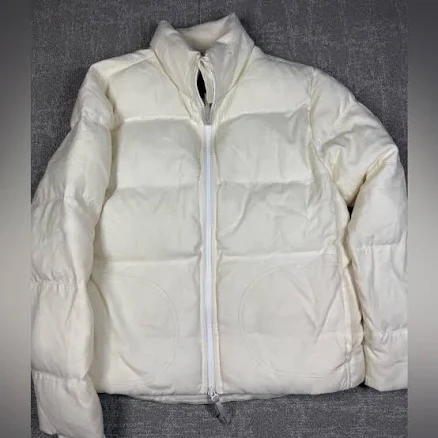
- Wool blend with synthetic fill (likely polyester)
- We found no PFAS statement from the brand
- water-repellent coating (water-repellent coating) coating composition
3 hazards checked on this product, all on its full breakdown.
Find an alternative on Amazon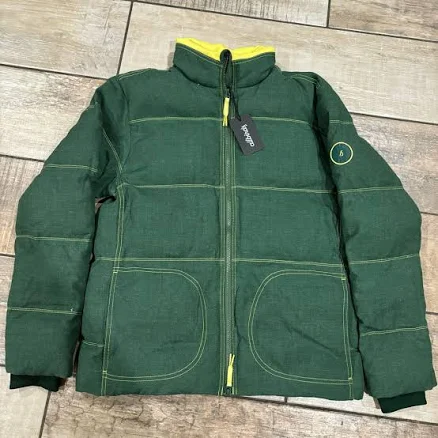
Allbirds
Jackets & Coats Allbirds Men's Trino Puffer Jacket Full Zip Wool Blend Forest Green Coat Size Sm
- wool blend (natural fiber dominant)
- We found no PFAS statement from the brand
- water-repellent coating (water-repellent coating) treatment - undisclosed chemistry
2 hazards checked on this product, all on its full breakdown.
Find an alternative on Amazon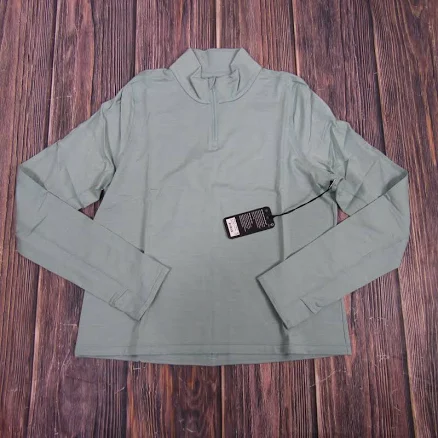
- Merino wool blend (natural fiber)
- We found no PFAS statement from the brand
- Azo dyes and synthetic dye residue
3 hazards checked on this product, all on its full breakdown.
Find an alternative on AmazonMore ski & snowboard jackets grades
How we score, every product runs through the same public 0-100 rubric based on materials, coatings, brand disclosure, lab findings, and recalls. See the full methodology → Spotted a mistake? Report an error.