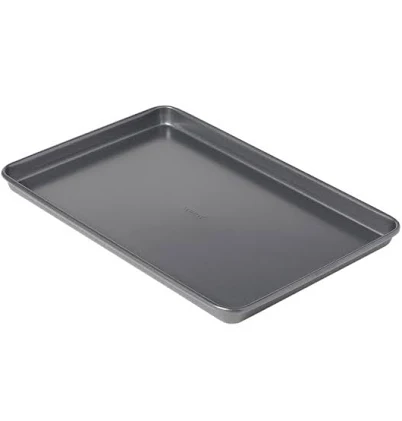
Oneida Bliss Bakeware Cookie Sheet, Is It Non-Toxic?
Nonstick coating unspecified; no PFAS disclosure available.
Oneida doesn't publicly disclose the coating composition or PFAS status of this sheet. Most commercial nonstick bakeware uses Teflon-family coating; contact the manufacturer first.
The better-graded swap
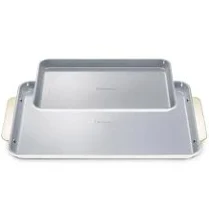
Caraway
Caraway Ceramic Nonstick Baking Sheet Duo
100/100 safety
Same rubric that flunked this product. The swap earned Excellent.
Still want this one anyway? Check the price on Amazon. We’d swap it.
Material
Steel with unspecified nonstick coating
Brand disclosure
Brand is silent on PFAS
Lab data
No public lab test
You may also be interested in
Top-graded picks in the categories readers replace first, every one scored on the same rubric.

- polypropylene filter housing, carbon/sediment cartridge
- We found no PFAS statement from the brand
- Bacterial growth in spent cartridges
3 hazards checked on this product, all on its full breakdown.

Aquasure
Premier Series 75 GPD Under Sink Reverse Osmosis Water Filtration System
- RO membrane, carbon filters, stainless steel housing
- We found no PFAS statement from the brand
- Bacterial and microbial growth in housing and filters
4 hazards checked on this product, all on its full breakdown.

Avocado
Vegan Mattress
- organic cotton, natural latex, coconut coir, recycled steel coils
- The brand calls it PFAS-free, which we have not verified
- Heavy metals
2 hazards checked on this product, all on its full breakdown.
Is Oneida Bliss Bakeware Cookie Sheet non-toxic? What it is made of
This cookie sheet is steel with an unspecified nonstick coating. Steel itself is inert and does not leach. The nonstick surface is the critical unknown, it may be Teflon-type coating-based (traditional Teflon), ceramic, or silicone. Without manufacturer disclosure, you cannot confirm whether the coating contains PFAS or other fluorochemicals. Coating durability and thermal stability depend entirely on the type and quality of that layer.
What’s concerning
Category baseline
The starting point for this type of product, before anything specific to this product is counted.
No PFAS disclosure
No public statement from the brand about PFAS in this product.
Non-stick, chemistry undisclosed
Marketed as non-stick without stating the coating chemistry.
Teflon-type coating thermal decomposition and fume release
If the unspecified nonstick coating is Teflon-type coating-based, overheating above 500F can release toxic fumes. Oneida does not publish safe temperature limits for this product, making risk assessment difficult.
Coating degradation and microflaking
Unknown coating composition means durability and flaking resistance are unconfirmed. Worn or scratched nonstick layers may shed particles into food; material identity is needed to assess whether particles pose toxicological concern.
What’s reassuring
Metal leaching from substrate
Steel itself does not leach nickel, cadmium, or lead under normal baking conditions. Risk is negligible assuming the steel quality meets US food contact standards, which Oneida products typically do.
Reactive or corrosive food interactions
Steel bakeware does not react with acidic foods (tomato sauce, citrus) or salt if the nonstick coating remains intact. Once coating degrades, bare steel may oxidize, but this is cosmetic rather than a direct health hazard.
Allergen or sensitizer residues from manufacturing
No reported contamination of Oneida bakeware with formaldehyde, heavy metal pigments, or allergens from coatings or finishes is on record. Risk is low for this material class.
How is this PFAS grade calculated?
The brand's record and disclosure
Oneida has not publicly disclosed the chemistry of its nonstick coatings or made commitments to PFAS-free formulations on record. The brand does not prominently advertise coating type (Teflon-type coating, ceramic, silicone) on product labels or websites reviewed for this assessment. This silence is notable in an industry where competitors increasingly specify coating material to address consumer PFAS concerns. No major recalls or safety controversies tied to this specific bakeware line are publicly documented.
How it compares in its category
Most steel bakeware in this price range uses traditional Teflon-type coating nonstick or newer ceramic coatings. Brands like GreenPan and Our Place explicitly advertise PFAS-free ceramic; Oneida's refusal to specify puts this product at a disadvantage in transparency. Uncoated steel or cast iron alternatives eliminate coating risk entirely but require seasoning or oil. The Bliss line occupies a middle market where coating type is the decisive safety variable and remains undisclosed.
If you buy it
Contact Oneida directly to confirm coating type before purchase. Do not use above 400-500 degrees Fahrenheit unless you have written confirmation the coating is rated for higher heat; Teflon-type coating degrades and releases fumes above 500F. Hand wash only; dishwasher may accelerate coating wear. Inspect regularly for flaking, discoloration, or scratches. If coating shows visible damage, discontinue use, don't assume the nonstick layer will self-repair. Replace every 3-5 years depending on use frequency.
What is not known about PFAS in this product?
- Basis
- Model estimate, 35% confidence, not a lab result
- Lab test
- None on record for this exact product
- Brand statement
- Oneida has made none
Formulations change between production runs, so check the current label. How we grade.
What are the PFAS-free alternatives to Oneida Bliss Bakeware Cookie Sheet?
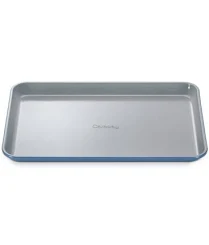
- ceramic nonstick coating
- A third party reports verifying it as PFAS-free
- Ceramic coating degradation over time
- ceramic nonstick coating
- A third party reports verifying it as PFAS-free
- Coating degradation and durability
2 hazards checked on this product, all on its full breakdown.

- ceramic nonstick coating
- The brand calls it PFAS-free, which we have not verified
- Ceramic coating degradation and particle shedding
3 hazards checked on this product, all on its full breakdown.
More bakeware grades
How we score, every product runs through the same public 0-100 rubric based on materials, coatings, brand disclosure, lab findings, and recalls. See the full methodology → Spotted a mistake? Report an error.