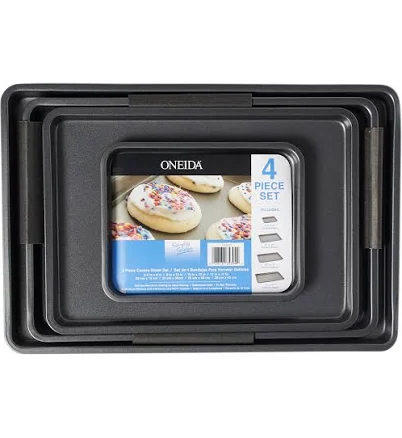
Oneida Simply Sweet Bakeware 4 Piece Cookie Sheet Set, Is It Non-Toxic?
Nonstick coating unspecified; brand lacks transparency on PFAS.
Oneida's bakeware set features nonstick coating without any public information about PFAS or what the coating contains. You cannot determine your PFAS exposure without lab testing or brand confirmation.
The better-graded swap
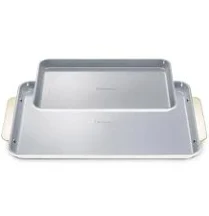
Caraway
Caraway Ceramic Nonstick Baking Sheet Duo
100/100 safety
Same rubric that flunked this product. The swap earned Excellent.
Still want this one anyway? Check the price on Amazon. We’d swap it.
Material
Steel with unspecified nonstick coating
Brand disclosure
Brand is silent on PFAS
Lab data
No public lab test
You may also be interested in
Top-graded picks in the categories readers replace first, every one scored on the same rubric.

- polypropylene filter housing, carbon/sediment cartridge
- We found no PFAS statement from the brand
- Bacterial growth in spent cartridges
3 hazards checked on this product, all on its full breakdown.

Aquasure
Premier Series 75 GPD Under Sink Reverse Osmosis Water Filtration System
- RO membrane, carbon filters, stainless steel housing
- We found no PFAS statement from the brand
- Bacterial and microbial growth in housing and filters
4 hazards checked on this product, all on its full breakdown.

Avocado
Vegan Mattress
- organic cotton, natural latex, coconut coir, recycled steel coils
- The brand calls it PFAS-free, which we have not verified
- Heavy metals
2 hazards checked on this product, all on its full breakdown.
Is Oneida Simply Sweet Cookie Sheet Set non-toxic? What it is made of
This set uses steel substrate with an unidentified nonstick coating. Steel itself is inert and not a material linked to PFAS. However, the nonstick layer's composition is not disclosed by Oneida, meaning you cannot confirm whether it contains Teflon-type coating (Teflon) or Teflon-type coating-free alternatives like ceramic or silicone-based coatings. This opacity is the core safety concern, since different coatings have very different risk profiles at baking temperatures.
What’s concerning
Category baseline
The starting point for this type of product, before anything specific to this product is counted.
No PFAS disclosure
No public statement from the brand about PFAS in this product.
Non-stick, chemistry undisclosed
Marketed as non-stick without stating the coating chemistry.
Nonstick coating degradation over time
Steel bakeware coatings are subject to wear, especially with repeated washing and thermal cycling. Once coating begins to flake or peel, direct contact with substrate increases; if Teflon-type coating-based, degraded coating poses higher fume inhalation risk at baking temperatures.
Teflon-type coating fume risk (if coating is Teflon-type coating-based)
Without disclosure, it is unknown whether this coating contains Teflon-type coating (Teflon). Teflon-type coating itself shows lower concern for degradation up to ~500°F, but home ovens can reach 450-500°F during baking. Risk is low if coating is intact, but rises with scratches or degradation.
Lack of hazard disclosure and traceability
Oneida does not publicly disclose the nonstick chemistry, manufacturing origin, or QA testing. This makes it impossible to verify coating safety standards, PFAS content, or whether batches have undergone third-party certification.
What’s reassuring
Steel substrate leaching (minimal)
Steel itself does not leach toxic metals under normal baking conditions. No documented cases of nickel or iron leaching from steel bakeware at typical home oven temperatures.
Aluminum core or additives (if present)
Oneida's steel composition is not fully detailed. If the steel is a thin layer over aluminum (common in budget cookware), aluminum leaching into acidic foods is theoretically possible but baking does not typically involve acidic contact, so risk is minimal.
How is this PFAS grade calculated?
The brand's record and disclosure
Oneida is a legacy US cookware brand but maintains minimal public transparency about nonstick coating chemistry or PFAS content across its product lines. The company has not published statements about phasing out PFAS or transitioning to alternative coatings, nor does product packaging or websites clarify the nonstick type. This silence is notable compared to competitors who now voluntarily disclose Teflon-type coating-free status or PFAS-free certifications.
How it compares in its category
Budget bakeware often uses cost-effective nonstick coatings with less rigorous oversight than premium brands. Oneida's Simply Sweet line sits in the mid-budget segment. Comparable products from brands like Calphalon or OXO increasingly advertise Teflon-type coating-free or PFOA-free status; Oneida's silence suggests they may not have made this commitment. Steel sheet pans without any nonstick coating (like commercial-grade or uncoated variants) eliminate this risk entirely if you are willing to oil and season.
If you buy it
Keep oven temperatures at or below 400°F to reduce risk of coating degradation or fume release, even if the coating is Teflon-type coating-based, which shows lower concern for fume release below 500°F but degrades faster at higher heats. Hand-wash only; dishwashers accelerate coating wear. Inspect the surface every 6-12 months for scratches, peeling, or discoloration. If coating visibly degrades, retire the pan rather than continue using it, as this is when leaching risk increases.
What is not known about PFAS in this product?
- Basis
- Model estimate, 35% confidence, not a lab result
- Lab test
- None on record for this exact product
- Brand statement
- Oneida has made none
Formulations change between production runs, so check the current label. How we grade.
What are the PFAS-free alternatives to Oneida Simply Sweet Bakeware 4 Piece Cookie Sheet Set?
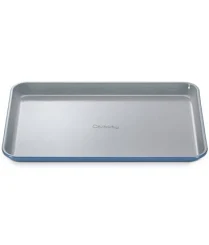
- ceramic nonstick coating
- A third party reports verifying it as PFAS-free
- Ceramic coating degradation over time
- ceramic nonstick coating
- A third party reports verifying it as PFAS-free
- Coating degradation and durability
2 hazards checked on this product, all on its full breakdown.
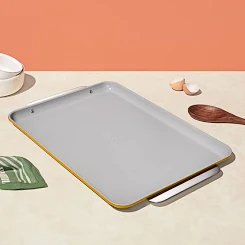
- ceramic nonstick coating
- The brand calls it PFAS-free, which we have not verified
- Ceramic coating degradation and particle shedding
3 hazards checked on this product, all on its full breakdown.
More bakeware grades
How we score, every product runs through the same public 0-100 rubric based on materials, coatings, brand disclosure, lab findings, and recalls. See the full methodology → Spotted a mistake? Report an error.