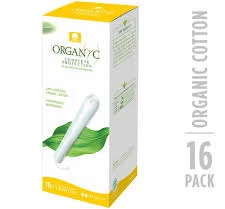
Organyc Cotton Tampons
Lower concern; organic cotton tampons unlikely PFAS exposure.
Organyc tampons use organic cotton and plant-based materials with no reported synthetic coatings. Brand makes no PFAS claims and provides no public testing data, but core material composition poses lower PFAS risk than treated alternatives.
We flunk more products than we pass. This one earned its grade. How we grade
Material
organic cotton, viscose, cardboard applicator
Brand disclosure
Brand is silent on PFAS
Lab data
No public lab test
You may also be interested in
Top-graded picks in the categories readers replace first, every one scored on the same rubric.

Aqua Pure
3M Aqua-Pure AP802B Whole House Filter Housing
- polypropylene filter housing, carbon/sediment cartridge
- We found no PFAS statement from the brand
- Bacterial growth in spent cartridges
3 hazards checked on this product. See all of them.

Aquasure
Premier Series 75 GPD Under Sink Reverse Osmosis Water Filtration System
- RO membrane, carbon filters, stainless steel housing
- We found no PFAS statement from the brand
- Bacterial and microbial growth in housing and filters
4 hazards checked on this product. See all of them.

Avocado
Vegan Mattress
- organic cotton, natural latex, coconut coir, recycled steel coils
- The brand calls it PFAS-free, which we have not verified
- Heavy metals
2 hazards checked on this product. See all of them.
What Organyc Cotton Tampons is made of, ingredients and materials
Organyc tampons are constructed from certified organic cotton (the absorbent core), viscose (rayon, derived from wood pulp), and a cardboard applicator. Organic cotton avoids synthetic pesticide residues that conventional cotton may retain. Viscose is a regenerated cellulose fiber, chemically processed but not inherently hazardous in the finished product. The cardboard applicator is inert and biodegradable, eliminating plastic applicator concerns common in mass-market tampons.
What’s concerning
Category baseline
The starting point for this type of product, before anything specific to this product is counted.
No PFAS disclosure
No public statement from the brand about PFAS in this product.
Chlorine bleaching or dioxin formation
The brand does not disclose bleaching methods for cotton or viscose fibers. Chlorine-based bleaching can generate trace dioxins; elemental chlorine-free (ECF) or totally chlorine-free (TCF) processing would lower this concern, but Organyc does not specify the process used.
What’s reassuring
Base material not linked to PFAS
The main material recorded for this product is not one associated with PFAS.
Pesticide residue
Organyc specifies organic certification, meaning no synthetic pesticides are applied during growth. Residual pesticide contamination in the finished product is not on record for this brand.
Source, EPA ↗Viscose (rayon) processing byproducts or residues
Viscose production involves caustic soda and carbon disulfide; however, properly finished rayon fibers in consumer products do not retain these chemicals. No chemical residue contamination has been reported in Organyc tampons.
Formaldehyde / VOCs
Period-care products typically do not use formaldehyde-based treatments. No formaldehyde cross-linking, preservation, or wrinkle-resistance coating is documented for this product.
Source, ATSDR ↗Fragrance allergens or undisclosed additives
Organyc explicitly markets as fragrance-free and unscented. No synthetic fragrances, essential oils, or masking agents are listed in available product information.
The full breakdown
The brand's record and disclosure
Organyc holds IFOAM (International Federation of Organic Agriculture Movements) certification and claims hypoallergenic, fragrance-free positioning. The brand does not prominently disclose PFAS testing or water-resistance coating use; given the organic positioning and lack of reported water-barrier treatments, intentional PFAS addition is unlikely. No significant recalls, regulatory actions, or disclosed chemical controversies are on record for this product line.
How it compares in its category
Organyc sits in the premium organic segment, alongside brands like Seventh Generation and Cora. Conventional tampons may carry residual pesticides, synthetic fibers, or plastic applicators; some mass-market brands have faced scrutiny over undisclosed ingredients. Organyc's organic certification and applicator choice position it as lower-contamination relative to conventional mainstream alternatives, though cost is higher.
If you buy it
No special storage or handling is required beyond keeping the product dry before use. Cardboard applicators are single-use and should be disposed of according to local waste guidelines (many are compostable). The product has no heat-exposure or maintenance concerns. Use standard hygiene practices; change tampons every 4-8 hours to reduce toxic shock syndrome risk, a hygiene issue unrelated to material composition.
What we don’t know
- Basis
- Model estimate, 72% confidence, not a lab result
- Lab test
- None on record for this exact product
- Brand statement
- Organyc has made none
Formulations change between production runs, so check the current label. How we grade.
Better-graded alternatives in Tampons
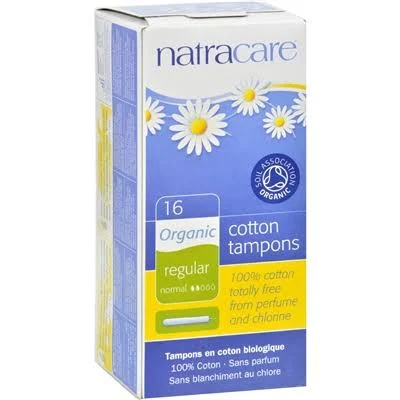
Natracare
100% Organic Cotton Tampons
- 100% organic cotton
- A third party reports verifying it as PFAS-free
- Heavy metals
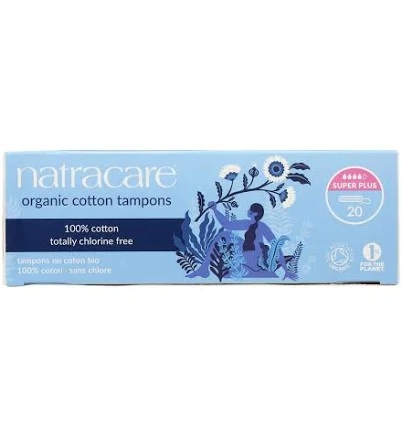
Natracare
Organic Super Plus Tampons, 3 x 20 ct
- organic cotton, cardboard applicator
- The brand calls it PFAS-free, which we have not verified
- Dioxins from bleaching
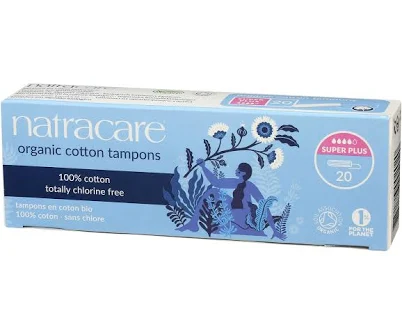
Natracare
Organic Cotton Super Plus Tampons
- organic cotton, no added fluorochemicals
- The brand calls it PFAS-free, which we have not verified
- Verified PFAS-free by a third party
More tampons grades
How we score, every product runs through the same public 0-100 rubric based on materials, coatings, brand disclosure, lab findings, and recalls. See the full methodology → Spotted a mistake? Report an error.