Outdoor Research · Rain Jackets
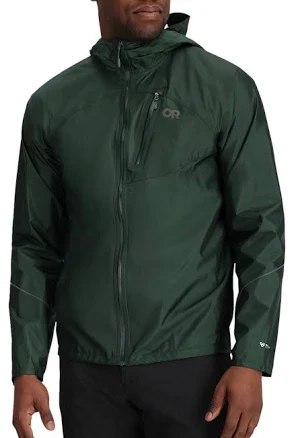
Helium Rain Jacket Outdoor Research Men's
water-repellent coating-coated rain jacket; coating chemistry unspecified, skip if concerned.
Outdoor Research does not disclose PFAS or water-repellent coating chemistry for this model. Most rain jackets use fluorinated water-repellent coating treatments. No third-party testing available.
Still want this one anyway? Check the price on Amazon. We’d swap it.
Material
Nylon ripstop with water-repellent coating
Brand disclosure
Brand is silent on PFAS
Lab data
No public lab test
You may also be interested in
Top-graded picks in the categories readers replace first, every one scored on the same rubric.

Aqua Pure
3M Aqua-Pure AP802B Whole House Filter Housing
- polypropylene filter housing, carbon/sediment cartridge
- We found no PFAS statement from the brand
- Bacterial growth in spent cartridges
3 hazards checked on this product. See all of them.

Aquasure
Premier Series 75 GPD Under Sink Reverse Osmosis Water Filtration System
- RO membrane, carbon filters, stainless steel housing
- We found no PFAS statement from the brand
- Bacterial and microbial growth in housing and filters
4 hazards checked on this product. See all of them.

Avocado
Vegan Mattress
- organic cotton, natural latex, coconut coir, recycled steel coils
- The brand calls it PFAS-free, which we have not verified
- Heavy metals
2 hazards checked on this product. See all of them.
What Helium Rain Jacket Outdoor Research Men's is made of, ingredients and materials
The Helium Rain Jacket uses nylon ripstop fabric, a durable, tightly woven synthetic that resists tearing and provides good water resistance as a base layer. The water-repellent (water-repellent coating) coating applied to the nylon is the critical unknown here, Outdoor Research has not publicly disclosed the chemistry of this coating, which typically relies on fluorinated compounds (PFAS) or, less commonly, silicone-based or hydrocarbon alternatives. Nylon itself is stable and does not shed microplastics during normal wear, though abrasion over years can degrade any textile. The ripstop construction and synthetic origin mean no azo dyes or formaldehyde finish concerns typical of natural fibers.
What’s concerning
Waterproof / stain-resistant treatment
Water-repellent coating treatments have historically used PFAS.
Category baseline
The starting point for this type of product, before anything specific to this product is counted.
No PFAS disclosure
No public statement from the brand about PFAS in this product.
PFAS
Water-repellent finishes on nylon typically use PFAS; Outdoor Research has not disclosed whether this jacket uses legacy PFAS, newer fluorine-free alternatives, or silicone-based repellents. Without transparency, consumer cannot assess exposure risk.
Source, ATSDR ↗Microplastic shedding during wear and care
Nylon ripstop is durable and sheds minimally under normal use; washing may release trace microfibers, consistent with all synthetic outerwear. Abrasion or damage accelerates shedding but is not specific to this product.
What’s reassuring
Formaldehyde / VOCs
Nylon ripstop does not require formaldehyde-based finishes for durability; no reports of formaldehyde-release concerns in Outdoor Research synthetic apparel.
Source, ATSDR ↗Heavy metals
Nylon ripstop is typically solution-dyed (colorant mixed into polymer before extrusion), not surface-dyed, minimizing azo dye and heavy metal risk. No documented incidents with this brand.
Source, FDA ↗Antimony in polyester
This jacket is nylon, not polyester; antimony catalyst concerns do not apply.
The full breakdown
The brand's record and disclosure
Outdoor Research has not made public commitments to PFAS-free water repellency or transparent water-repellent coating chemistry disclosure, which is a significant gap compared to competitors like Arc'teryx and Patagonia who have begun phasing PFAS or publishing coating details. The brand has not issued recalls or been named in major contamination incidents, but silence on water-repellent coating chemistry is a material weakness in environmental and consumer communication. No established controversies regarding formaldehyde, azo dyes, or heavy metals in their apparel are on record. Without third-party certification (bluesign, GOTS, or equivalent) listed for this model, verification of restricted substance compliance is limited to brand claims alone.
How it compares in its category
Most rain jackets in this performance segment (Salewa, Columbia, The North Face) use similar nylon ripstop + water-repellent coating formula with equivalent disclosure gaps; Outdoor Research is neither ahead nor behind in transparency. Truly PFAS-free alternatives (e.g., waxed cotton, newer fluorocarbon-free silicone coatings) exist but are rarer, heavier, and more expensive. This jacket's non-PFAS hazard profile (no azo dyes, antimony, or formaldehyde reported) is typical and lower-risk than the water-repellent coating chemistry uncertainty itself. For purely chemical safety excluding PFAS, it sits in the mainstream low-risk zone of synthetic outerwear.
If you buy it
Wash in cool water with mild detergent; heat damages water-repellent coating coatings and avoid fabric softeners and bleach. Most water-repellent coating coatings fade after 20-40 washes; professional reapplication extends life but reintroduces the coating chemistry question. Store dry and well-ventilated; no heat-related off-gassing risk from nylon ripstop itself, but new jackets may smell slightly from manufacturing and will improve after airing. If PFAS exposure is a priority concern, contact Outdoor Research directly to confirm water-repellent coating chemistry before purchase, as the company does not publish this information publicly.
What we don’t know
- Basis
- Model estimate, 35% confidence, not a lab result
- Lab test
- None on record for this exact product
- Brand statement
- Outdoor Research has made none
Formulations change between production runs, so check the current label. How we grade.
More rain jackets grades
How we score, every product runs through the same public 0-100 rubric based on materials, coatings, brand disclosure, lab findings, and recalls. See the full methodology → Spotted a mistake? Report an error.