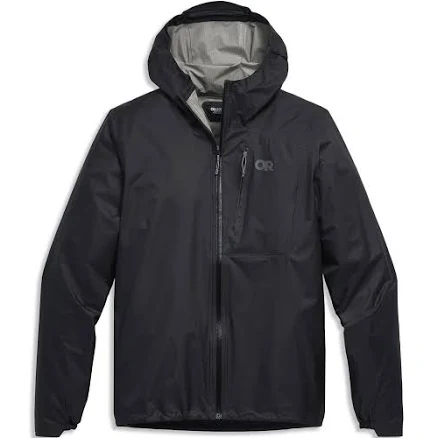
Outdoor Research · Rain Jackets
Helium UL Jacket Outdoor Research Men's
Outdoor Research silent on PFAS; typical water-repellent coating apparel carries uncertainty.
Helium UL is a lightweight nylon jacket with water-repellent coating water-resistant treatment. Outdoor Research does not disclose PFAS information; most outdoor water-repellent coating finishes historically used PFOA or other PFAS compounds.
Still want this one anyway? Check the price on Amazon. We’d swap it.
Material
Nylon ripstop with water-repellent coating treatment
Brand disclosure
Brand is silent on PFAS
Lab data
No public lab test
You may also be interested in
Top-graded picks in the categories readers replace first, every one scored on the same rubric.

Aqua Pure
3M Aqua-Pure AP802B Whole House Filter Housing
- polypropylene filter housing, carbon/sediment cartridge
- We found no PFAS statement from the brand
- Bacterial growth in spent cartridges
3 hazards checked on this product. See all of them.

Aquasure
Premier Series 75 GPD Under Sink Reverse Osmosis Water Filtration System
- RO membrane, carbon filters, stainless steel housing
- We found no PFAS statement from the brand
- Bacterial and microbial growth in housing and filters
4 hazards checked on this product. See all of them.

Avocado
Vegan Mattress
- organic cotton, natural latex, coconut coir, recycled steel coils
- The brand calls it PFAS-free, which we have not verified
- Heavy metals
2 hazards checked on this product. See all of them.
What Helium UL Jacket Outdoor Research Men's is made of, ingredients and materials
The Helium UL is constructed from nylon ripstop, a tightly woven synthetic fabric chosen for tear resistance and low weight. The garment receives a water-repellent coating (water-repellent coating) finish applied to the fabric surface to shed water without a rigid waterproof membrane. Nylon ripstop itself is chemically inert in normal use, but the water-repellent coating treatment is the primary chemical concern here, separate from PFAS risk.
What’s concerning
Waterproof / stain-resistant treatment
Water-repellent coating treatments have historically used PFAS.
Category baseline
The starting point for this type of product, before anything specific to this product is counted.
No PFAS disclosure
No public statement from the brand about PFAS in this product.
PFAS
Nylon ripstop water-repellent coating treatments historically used PFOA/PFOS but many now employ fluorine-free or 'short-chain' alternatives of unknown long-term safety. No recall or adverse-event report exists for this specific product, but coating leachables during wear or washing remain a theoretical route of skin/water contact.
Source, ATSDR ↗Antimony in polyester or nylon stabilizers
High-quality nylon ripstop used in technical apparel may contain antimony trioxide as a catalyst or stabilizer. No public recalls or testing data for this model exists; levels in textiles are typically low but dermal absorption during prolonged skin contact is theoretically possible in sensitized individuals.
Microfiber shedding from coating wear
As water-repellent coating finish degrades with use and washing, nylon fibers may shed and release into wash water, contributing to microplastic accumulation. This is a general concern for all synthetic jackets, not specific to Outdoor Research, but becomes more pronounced after 2-3 years of regular use.
What’s reassuring
Formaldehyde / VOCs
Outdoor Research nylon textiles are not documented in public health records as formaldehyde sources. The brand's manufacturing is primarily outsourced to established Asian suppliers; specific test data for this jacket is not publicly available.
Source, ATSDR ↗Azo dyes (carcinogenic or allergenic)
Nylon ripstop in this jacket is typically solid colored or simply patterned; no test results or complaints link Outdoor Research nylon to azo-dye issues. Brand membership in outdoor apparel consortiums suggests baseline supplier vetting.
The full breakdown
The brand's record and disclosure
Outdoor Research has not made public statements specifically addressing PFAS content in their water-repellent coating treatments or supply-chain chemistry controls. The brand does not advertise certification by Bluesign, OEKO-TEX, or similar third-party textile safety programs that would verify absence of restricted substances. This silence is typical among mid-market outdoor apparel brands and does not indicate a known violation, but reflects a lack of transparency.
How it compares in its category
Most lightweight synthetic jackets in this price range use similar nylon ripstop with conventional water-repellent coating finishes; Outdoor Research is not an outlier. Brands offering full PFAS-free water-repellent coating alternatives (such as Patagonia's selected lines or ISPO-certified European makers) are fewer and often cost more. This jacket sits in the mainstream category of uncertain water-repellent coating chemistry.
If you buy it
Wash in cool water with mild detergent and avoid heat-drying, as high temperatures can degrade the water-repellent coating finish and potentially volatilize coating residues. Do not dry-clean, as solvents may strip or chemically alter the surface treatment. Expect the water-repellent coating to fade after 30-50 washes; reapplication with consumer water-repellent coating sprays is common and introduces additional chemical exposure. Store away from direct heat and humidity when not in use.
What we don’t know
- Basis
- Model estimate, 45% confidence, not a lab result
- Lab test
- None on record for this exact product
- Brand statement
- Outdoor Research has made none
Formulations change between production runs, so check the current label. How we grade.
More rain jackets grades
How we score, every product runs through the same public 0-100 rubric based on materials, coatings, brand disclosure, lab findings, and recalls. See the full methodology → Spotted a mistake? Report an error.