Outdoor Research · Rain Jackets
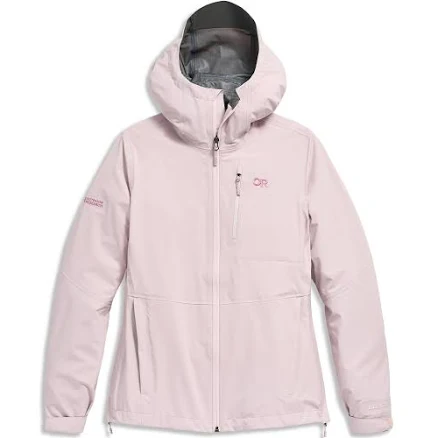
Outdoor Research Women's Aspire 3L Jacket
water-repellent coating jacket with no PFAS disclosure. Moderate concern warranted.
Outdoor Research does not publicly disclose PFAS status for this 3L jacket. Many outdoor brands use PFAS-based water-repellent coating finishes; OR's silence on the issue creates uncertainty. Request company confirmation if PFAS content matters to you.
Still want this one anyway? Check the price on Amazon. We’d swap it.
Material
Polyester with water-repellent coating
Brand disclosure
Brand is silent on PFAS
Lab data
No public lab test
You may also be interested in
Top-graded picks in the categories readers replace first, every one scored on the same rubric.

Aqua Pure
3M Aqua-Pure AP802B Whole House Filter Housing
- polypropylene filter housing, carbon/sediment cartridge
- We found no PFAS statement from the brand
- Bacterial growth in spent cartridges
3 hazards checked on this product. See all of them.

Aquasure
Premier Series 75 GPD Under Sink Reverse Osmosis Water Filtration System
- RO membrane, carbon filters, stainless steel housing
- We found no PFAS statement from the brand
- Bacterial and microbial growth in housing and filters
4 hazards checked on this product. See all of them.

Avocado
Vegan Mattress
- organic cotton, natural latex, coconut coir, recycled steel coils
- The brand calls it PFAS-free, which we have not verified
- Heavy metals
2 hazards checked on this product. See all of them.
What Outdoor Research Women's Aspire 3L Jacket is made of, ingredients and materials
This jacket is polyester with a water-repellent coating (water-repellent coating) finish. The water-repellent coating is the primary concern, most commercial water-repellent coating finishes use fluorinated compounds (PFAS family) to repel water and stains, though Outdoor Research has not disclosed whether this specific product uses PFAS-based or PFAS-free chemistry. Polyester itself is stable when worn normally, but the coating degrades with laundering and wear, potentially releasing particles or residues over the jacket's lifetime.
What’s concerning
Waterproof / stain-resistant treatment
Water-repellent coating treatments have historically used PFAS.
Category baseline
The starting point for this type of product, before anything specific to this product is counted.
No PFAS disclosure
No public statement from the brand about PFAS in this product.
water-repellent coating degradation and particle shedding
Fluorinated or non-fluorinated water-repellent coating finishes break down with repeated washing and abrasion. As the coating sheds, microparticles may be released into wash water and potentially inhaled or ingested; composition of shed particles depends on the undisclosed water-repellent coating chemistry.
Formaldehyde / VOCs
Polyester textiles are sometimes treated with formaldehyde-releasing resins for wrinkle resistance or shape stability. No public test data confirms or rules this out for this specific jacket; it is a potential hazard class for polyester apparel in this price range.
Source, ATSDR ↗Antimony in polyester fiber
Polyester production sometimes uses antimony as a catalyst. Antimony can leach slightly under certain conditions (high heat, acid environments), though outdoor wear at normal temperatures presents minimal exposure risk. No specific testing on this product is available.
What’s reassuring
Heavy metals
No recalls or testing reports on record for Outdoor Research products related to azo dye toxicity or heavy metal dyes in dark-colored polyester. This does not confirm absence, only that no specific public safety issue has been documented.
Source, FDA ↗The full breakdown
The brand's record and disclosure
Outdoor Research has not made public commitments to eliminate PFAS from their product lines, nor do they disclose water-repellent coating chemistry on this jacket's label or product pages. The company does not appear on lists of brands that have publicly pledged to transition away from fluorinated water-repellent coating. This silence is standard in the outdoor apparel industry but represents a gap in consumer transparency regarding water-repellent treatments.
How it compares in its category
Most mainstream outdoor jackets in this price and performance tier use undisclosed water-repellent coating finishes, so this product is typical rather than exceptional. PFAS-free water-repellent coating alternatives (wax-based, silicone-based, or other chemistry) do exist from some brands but remain less common and may offer shorter durability. If PFAS exposure from textiles is a priority concern, seeking brands with explicit non-fluorinated water-repellent coating claims or PFOA-free certifications would be a meaningful step.
If you buy it
Wash infrequently (spot-clean when possible) to slow water-repellent coating degradation and reduce any release of coating particles. When you do launder, use cold water and gentle cycles; hot water accelerates breakdown. Line-dry rather than machine-dry to preserve the coating. Do not use fabric softeners or bleach. Replace the jacket when the water beading noticeably fails or seams leak, as the protective finish will no longer function effectively.
What we don’t know
- Basis
- Model estimate, 45% confidence, not a lab result
- Lab test
- None on record for this exact product
- Brand statement
- Outdoor Research has made none
Formulations change between production runs, so check the current label. How we grade.
More rain jackets grades
How we score, every product runs through the same public 0-100 rubric based on materials, coatings, brand disclosure, lab findings, and recalls. See the full methodology → Spotted a mistake? Report an error.