Outfitter · Camping Tents & Tarps
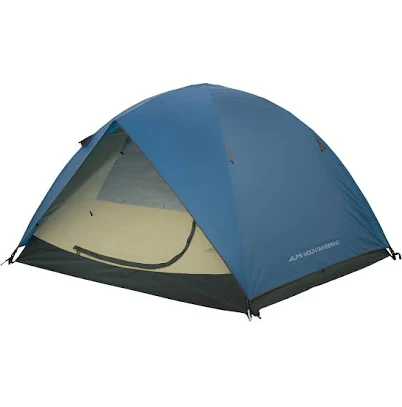
ALPS Mountaineering Meramac 3 Outfitter
Skip until ALPS clarifies water-repellent coating chemistry.
This lightweight tent combines polyester and nylon with a water-repellent finish that ALPS does not publicly reveal. No certifications or test results exist.
Still want this one anyway? Check the price on Amazon. We’d swap it.
Material
Polyester/nylon with water-repellent coating (water-repellent coating) treatment
Brand disclosure
Brand is silent on PFAS
Lab data
No public lab test
You may also be interested in
Top-graded picks in the categories readers replace first, every one scored on the same rubric.

Aqua Pure
3M Aqua-Pure AP802B Whole House Filter Housing
- polypropylene filter housing, carbon/sediment cartridge
- We found no PFAS statement from the brand
- Bacterial growth in spent cartridges
3 hazards checked on this product. See all of them.

Aquasure
Premier Series 75 GPD Under Sink Reverse Osmosis Water Filtration System
- RO membrane, carbon filters, stainless steel housing
- We found no PFAS statement from the brand
- Bacterial and microbial growth in housing and filters
4 hazards checked on this product. See all of them.

Avocado
Vegan Mattress
- organic cotton, natural latex, coconut coir, recycled steel coils
- The brand calls it PFAS-free, which we have not verified
- Heavy metals
2 hazards checked on this product. See all of them.
What ALPS Mountaineering Meramac 3 Outfitter is made of, ingredients and materials
The Meramac 3 uses polyester and nylon fabric treated with a water-repellent coating (water-repellent coating) coating to shed rain without pooling. water-repellent coating treatments historically relied on fluorinated compounds (PFAS), though some manufacturers have shifted to non-fluorinated alternatives in recent years. ALPS Mountaineering has not publicly specified which chemistry they use, leaving the fluorine status of this tent uncertain. Polyester and nylon themselves are stable when used as intended outdoors and do not off-gas significantly at ambient temperatures.
What’s concerning
Category baseline
The starting point for this type of product, before anything specific to this product is counted.
No PFAS disclosure
No public statement from the brand about PFAS in this product.
Waterproof / stain-resistant treatment
Water-repellent coating treatments have historically used PFAS.
PFAS
Polyester tent DWRs commonly contain PFAS; ALPS has not disclosed their formulation. Risk is primarily during manufacturing/transport, not user exposure under normal conditions, but accumulation in water-shedding use patterns warrants caution.
Source, ATSDR ↗Coating degradation and re-treatment requirement
Water-repellent coating treatments on budget tents are known to degrade within 2-5 years. Repeated re-treatments (if fluorinated) or washing procedures can increase chemical exposure over the product lifetime.
What’s reassuring
Formaldehyde / VOCs
Polyester and nylon can be finished with formaldehyde-based resins to improve wrinkle resistance and durability. ALPS does not disclose finish chemistry; formaldehyde off-gassing from tent fabric is minimal at outdoor ambient temperatures but could be elevated in hot, enclosed storage.
Source, ATSDR ↗Azo dyes in colored fabrics
Polyester textiles can be dyed with azo dyes, some of which degrade to aromatic amines under UV and moisture. No specific reports for ALPS tents, and outdoor UV exposure is typically controlled; risk is low under normal use.
Microplastics
Polyester fabric can shed microfibers through friction and weathering. For a tent used in natural settings, dispersed microplastics pose no direct user hazard but contribute to environmental microplastic burden.
Source, EPA ↗The full breakdown
The brand's record and disclosure
ALPS Mountaineering does not publish detailed material safety data sheets or certifications (such as OEKO-TEX, bluesign, or GOTS) for their tent fabrics. The brand has not made public commitments to eliminate PFAS from their product line, nor have they responded to industry pressure on fluorinated water-repellent coating transparency. No major product recalls or contamination incidents are on record for this specific model. Their silence on water-repellent coating chemistry is standard for many mid-range tent manufacturers but represents a transparency gap.
How it compares in its category
Budget and mid-range camping tents (USD 150-400) rarely disclose water-repellent coating type; this product sits in that norm. Premium brands (Big Agnes, MSR, Nemo) increasingly specify PFC-free or silicone-based water-repellent coating treatments. The Meramac 3 is competitively priced and durable for recreational car camping, but lacks the environmental and chemical-disclosure standards of higher-end competitors. For the price point, material transparency is below what many consumers now expect.
If you buy it
Ensure adequate ventilation inside the tent during use to minimize accumulation of condensation and any volatiles from the fabric. Store dry and in a cool, shaded location to extend coating life; UV and heat degrade water-repellent coating over time. Avoid machine washing; hand rinse gently with cool water and air dry flat. If the fabric begins to bead water less effectively (typically after 2-5 years of regular use), the water-repellent coating has degraded and a re-treatment product can be applied, though this reintroduces uncertainty about chemical type unless you choose a certified PFC-free product.
What we don’t know
- Basis
- Model estimate, 45% confidence, not a lab result
- Lab test
- None on record for this exact product
- Brand statement
- Outfitter has made none
Formulations change between production runs, so check the current label. How we grade.
More camping tents & tarps grades
How we score, every product runs through the same public 0-100 rubric based on materials, coatings, brand disclosure, lab findings, and recalls. See the full methodology → Spotted a mistake? Report an error.