Ozark Trail · Camping Tents & Tarps
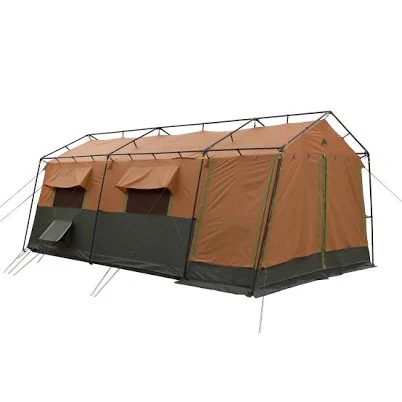
Ozark Trail 10-Person Appalachian Tent
Skip or verify coating source; budget tent likely uses old PFAS-based water-repellent coating without disclosure.
Ozark Trail tents use polyester with water-repellent coating to shed rain, but the brand refuses to say whether that water-repellent coating contains PFAS. Budget outdoor gear from Walmart-owned makers often uses older, PFAS-heavy water-repellent chemistry. No testing or certification public.
Still want this one anyway? Check the price on Amazon. We’d swap it.
Material
polyester fabric with water-repellent coating (water-repellent coating) coating
Brand disclosure
Brand is silent on PFAS
Lab data
No public lab test
What Ozark Trail 10-Person Appalachian Tent is made of, ingredients and materials
This tent uses polyester fabric as its primary shell material, which is chemically stable and does not inherently leach toxic substances when dry. The critical unknown is the water-repellent coating (water-repellent coating) coating applied to the polyester. Budget-tier tents from mass retailers often use legacy fluorochemical water-repellent coating formulations that contain PFAS, though some manufacturers have switched to non-fluorinated alternatives. Ozark Trail has not publicly disclosed which type is used on this model, making the coating composition the primary safety question.
What’s concerning
Category baseline
The starting point for this type of product, before anything specific to this product is counted.
No PFAS disclosure
No public statement from the brand about PFAS in this product.
Waterproof / stain-resistant treatment
Water-repellent coating treatments have historically used PFAS.
PFAS
Ozark Trail has not disclosed whether this tent uses fluorochemical or non-fluorinated water-repellent coating. Budget tents often contain legacy PFAS-based coatings, which can off-gas minimally during use and persist in the environment. Without certification, assumed possible but unconfirmed.
Source, ATSDR ↗Polyester fiber degradation and microfiber release
Polyester tents shed microfibers during wear, folding, and washing, especially as the fabric ages. Direct skin contact is minimal with a tent, but microfibers can enter water if the tent is washed in a machine. This is a minor concern for recreational use but notable if the tent is frequently laundered.
Mold and mildew growth if stored wet
Polyester does not dry as quickly as some natural fabrics and will develop mold or mildew if packed away damp. This creates musty odors and potential respiratory irritant exposure, especially in enclosed sleeping areas, and is a practical rather than chemical hazard.
What’s reassuring
Heat degradation of polyester in extreme sun exposure
Prolonged direct sunlight can degrade polyester fibers and coatings over time, but no documented toxic by-products or harmful off-gassing from Ozark Trail polyester tents have been reported. UV damage is a durability issue rather than a safety one.
Heavy metals
Polyester tent fabrics are typically dyed with azo or vat dyes; no published recalls or safety alerts for heavy metal contamination in Ozark Trail tent fabrics exist. Skin contact is brief and external, reducing ingestion or absorption risk.
Source, FDA ↗The full breakdown
The brand's record and disclosure
Ozark Trail, a Walmart house brand, has no published environmental health commitments or third-party certifications for PFAS avoidance or PFAS-free water-repellent coating claims. The brand does not provide material safety data sheets or coating specifications to consumers. No formal recalls or safety controversies specific to this tent line have been documented in public records. The silence on coating origin is typical of budget outdoor brands and reflects lack of transparency rather than confirmed safety.
How it compares in its category
This 10-person tent sits in the budget mass-market segment where PFAS-containing water-repellent coating coatings remain common, especially in low-cost offerings. Mid-range and premium tent brands (REI, Big Agnes, Kelty) increasingly disclose PFAS-free coatings or use established non-fluorinated alternatives. For a family or group camping tent, competitors at similar price points often offer the same water-repellent coating transparency gap, making this product representative rather than unusually risky within its market tier.
If you buy it
Store the tent dry in a cool, well-ventilated space to prevent mold growth, which is the main non-chemical hazard with polyester tents. Do not expose it to sustained high heat or direct flames, as polyester will melt around 240-260 degrees Celsius. Reapply water-repellent coating when water no longer beads on the fabric; use a commercial non-PFAS water-repellent coating product (several brands now offer PFAS-free options) to avoid unknowingly recoating with legacy formulations. Before purchase, contact Ozark Trail/Walmart to ask explicitly whether the water-repellent coating contains PFAS; a clear answer may not come, but the question signals market demand for transparency.
What we don’t know
- Basis
- Model estimate, 45% confidence, not a lab result
- Lab test
- None on record for this exact product
- Brand statement
- Ozark Trail has made none
Formulations change between production runs, so check the current label. How we grade.
More camping tents & tarps grades
How we score, every product runs through the same public 0-100 rubric based on materials, coatings, brand disclosure, lab findings, and recalls. See the full methodology → Spotted a mistake? Report an error.