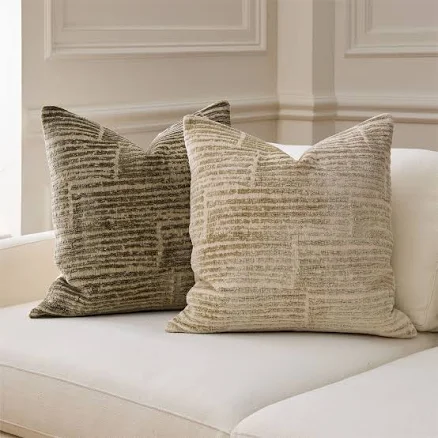
West Elm Striated Chenille Pillow Cover
Minimal concern; soft textile with no obvious PFAS triggers, though brand is not transparent.
This acrylic-polyester chenille lacks disclosed stain-resistant or water-repellent treatment. No PFAS triggers are evident, though West Elm provides no public PFAS statement.
We flunk more products than we pass. This one earned its grade. How we grade
Material
chenille textile (acrylic/polyester blend)
Lab data
No public lab test
You may also be interested in
Top-graded picks in the categories readers replace first, every one scored on the same rubric.

- polypropylene filter housing, carbon/sediment cartridge
- We found no PFAS statement from the brand
- Bacterial growth in spent cartridges
3 hazards checked on this product, all on its full breakdown.

Aquasure
Premier Series 75 GPD Under Sink Reverse Osmosis Water Filtration System
- RO membrane, carbon filters, stainless steel housing
- We found no PFAS statement from the brand
- Bacterial and microbial growth in housing and filters
4 hazards checked on this product, all on its full breakdown.

Avocado
Vegan Mattress
- organic cotton, natural latex, coconut coir, recycled steel coils
- The brand calls it PFAS-free, which we have not verified
- Heavy metals
2 hazards checked on this product, all on its full breakdown.
What West Elm Striated Chenille Pillow Cover is made of, ingredients and materials
West Elm's Striated Chenille is an acrylic/polyester blend textile, a synthetic fiber combination chosen for softness and durability rather than natural fibers. Chenille construction (fuzzy yarn type) does not inherently trigger heavy-metal or formaldehyde concerns, as these risks appear primarily in ceramic glazes, coatings, and certain dye processes. The acrylic/polyester mix is stable at room temperature and poses no known leaching risk during normal use or machine washing.
What’s concerning
Category baseline
The starting point for this type of product, before anything specific to this product is counted.
No PFAS disclosure
No public statement from the brand about PFAS in this product.
Azo dyes and colorant residues
Chenille textiles are typically acid-dyed; West Elm does not disclose dye chemistry. Pre-washing reduces loose dye transfer, though no evidence of banned azo dyes in this specific product exists on record.
Formaldehyde / VOCs
Polyester/acrylic blends may receive wrinkle-resistant or sizing finishes during manufacturing that contain formaldehyde releasers. West Elm provides no finish disclosure; pre-washing and air-drying mitigate volatile residues.
Source, ATSDR ↗Microplastic shedding over time
Synthetic chenille sheds microfibers during washing and wear. This is a general property of acrylic textiles, not unique to West Elm, but becomes more pronounced if pile is agitated or backing degrades.
What’s reassuring
Base material not linked to PFAS
The main material recorded for this product is not one associated with PFAS.
Flame retardants
Chenille pillow covers are not typically treated with brominated flame retardants unless marketed specifically as fire-resistant; no such claim exists for this product.
Source, EPA ↗Heavy metals
Modern acrylic and polyester dyes rarely contain lead or cadmium, though West Elm does not certify this; risk is lower than in ceramic or glazed items.
Source, FDA ↗How is this PFAS grade calculated?
The brand's record and disclosure
West Elm does not publicly disclose full chemical testing or third-party textile certifications (OEKO-TEX, GOTS, bluesign) for most home goods, including this pillow cover. The brand has not faced documented recalls or safety controversies specific to chenille textiles. No evidence exists of West Elm acknowledging or addressing intentional PFAS use in soft furnishings, consistent with industry-wide silence on this ingredient.
How it compares in its category
Acrylic/polyester chenille pillow covers are mainstream in the home decor market and carry no higher inherent risk than comparable offerings from competitors (CB2, Pottery Barn, Article). Certified organic cotton or linen pillows would avoid synthetic fibers entirely but cost more and offer different tactile properties. This product sits in the middle ground, synthetic comfort without obvious hazard flags, but lacking third-party verification.
If you buy it
Machine wash in cool water before first use to remove residual dyes and manufacturing dust, then dry on low heat or air dry. Avoid bleach and high-temperature dryers, which can degrade the chenille pile and release microfibers. Check seams and pile integrity every 6-12 months; replace if backing material tears, as exposed inner fibers may shed more readily. Do not dry-clean unless labeled by the manufacturer; standard dry cleaning solvents are unnecessary for this washable textile.
What is not known about PFAS in this product?
- Basis
- Model estimate, 72% confidence, not a lab result
- Lab test
- None on record for this exact product
- Brand statement
- West Elm has made a specific claim
Formulations change between production runs, so check the current label. How we grade.
More throw pillows grades
How we score, every product runs through the same public 0-100 rubric based on materials, coatings, brand disclosure, lab findings, and recalls. See the full methodology → Spotted a mistake? Report an error.