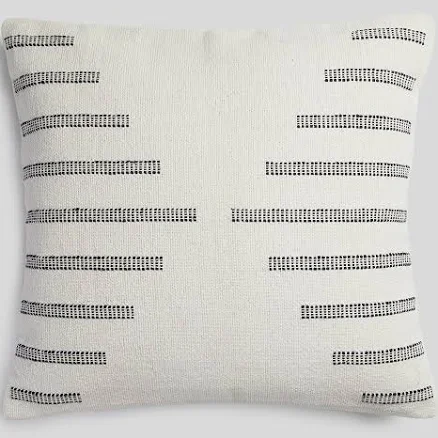
Parachute Desert Pillow Cover
Minimal PFAS risk; plain cotton has low concern, but brand does not disclose PFAS practices.
Parachute's 100% organic cotton percale weave needs no water-resistant or stain-resistant coatings. Risk is low for plain woven cotton, though brand transparency is missing.
We flunk more products than we pass. This one earned its grade. How we grade
Material
100% organic cotton percale weave
Brand disclosure
Brand is silent on PFAS
Lab data
No public lab test
You may also be interested in
Top-graded picks in the categories readers replace first, every one scored on the same rubric.

- polypropylene filter housing, carbon/sediment cartridge
- We found no PFAS statement from the brand
- Bacterial growth in spent cartridges
3 hazards checked on this product, all on its full breakdown.

Aquasure
Premier Series 75 GPD Under Sink Reverse Osmosis Water Filtration System
- RO membrane, carbon filters, stainless steel housing
- We found no PFAS statement from the brand
- Bacterial and microbial growth in housing and filters
4 hazards checked on this product, all on its full breakdown.

Avocado
Vegan Mattress
- organic cotton, natural latex, coconut coir, recycled steel coils
- The brand calls it PFAS-free, which we have not verified
- Heavy metals
2 hazards checked on this product, all on its full breakdown.
What Parachute Desert Pillow Cover is made of, ingredients and materials
Parachute Desert Pillow Cover is 100% organic cotton in a percale weave, a tightly woven plain-weave fabric. Organic cotton eliminates synthetic pesticide residues that conventional cotton retains, and percale's tight weave means fewer loose fibers and lower microfiber shedding into the home. The absence of synthetic coatings, dyes, or finishing treatments typical of many performance fabrics removes common sources of chemical off-gassing.
What’s concerning
Category baseline
The starting point for this type of product, before anything specific to this product is counted.
No PFAS disclosure
No public statement from the brand about PFAS in this product.
Microfiber shedding and fiber fragmentation
Percale weave sheds fewer loose fibers than jersey or flannel cotton, but pilling may occur with mechanical stress over years of use. Shed fibers are cotton cellulose, not synthetic microplastics, and pose no chemical toxicity.
What’s reassuring
Base material not linked to PFAS
The main material recorded for this product is not one associated with PFAS.
Formaldehyde / VOCs
Organic cotton percale typically requires no formaldehyde-based finishing resins for wrinkle resistance or sizing. OEKO-TEX certification on Parachute products screens for formaldehyde; no reported residues in this material class.
Source, ATSDR ↗Heavy metals
The Desert Pillow Cover uses natural or low-impact dyes consistent with organic cotton branding. OEKO-TEX testing includes heavy metal screening; no reports of cadmium, lead, or aromatic amines in Parachute textiles.
Source, FDA ↗Antimony in polyester components
Product is 100% cotton with no polyester; antimony catalysts used in polyester synthesis are not present.
Flame retardants
Percale cotton is not chemically treated with flame retardants; the tight weave provides inherent flame resistance without additives. No volatile organic compound off-gassing expected.
Source, EPA ↗How is this PFAS grade calculated?
The brand's record and disclosure
Parachute holds OEKO-TEX Standard 100 certification on most textile products, which screens for harmful substances including heavy metals, formaldehyde, and pesticide residues. However, the brand does not publicly disclose PFAS management practices or water treatment protocols for manufacturing. No recalls or safety controversies specific to Parachute textiles are on record, and the brand markets transparently about organic sourcing.
How it compares in its category
Organic cotton percale pillowcases occupy the lower-hazard end of the throw pillow market. They avoid the synthetic polyester blends, chemical flame retardants, and synthetic dye loads common in mass-market pillows. The trade-off is lower durability and wrinkle resistance compared to polyester-cotton blends, but negligible safety advantage per material alone.
If you buy it
Wash in cool water with mild detergent before first use to remove any residual processing oils. Avoid bleach, which can degrade organic cotton fibers over time. Line dry or low-heat tumble dry to preserve weave integrity. Replace when visible pilling, color fading, or loss of firmness occurs, typically 3-5 years with regular use. Store in a breathable cotton bag rather than plastic to prevent moisture and mold.
What is not known about PFAS in this product?
- Basis
- Model estimate, 72% confidence, not a lab result
- Lab test
- None on record for this exact product
- Brand statement
- Parachute has made none
Formulations change between production runs, so check the current label. How we grade.
More throw pillows grades
How we score, every product runs through the same public 0-100 rubric based on materials, coatings, brand disclosure, lab findings, and recalls. See the full methodology → Spotted a mistake? Report an error.