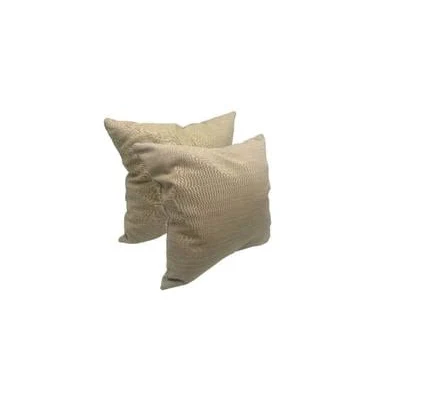
Sunbrella Fabric Throw Pillow
Avoid until Sunbrella reveals water-repellent coating chemistry or certifies PFAS-free.
Sunbrella acrylic fabric's water and stain resistance historically relied on fluorinated water-repellent coating treatments. Brand transparency on current chemistry is absent.
The better-graded swap
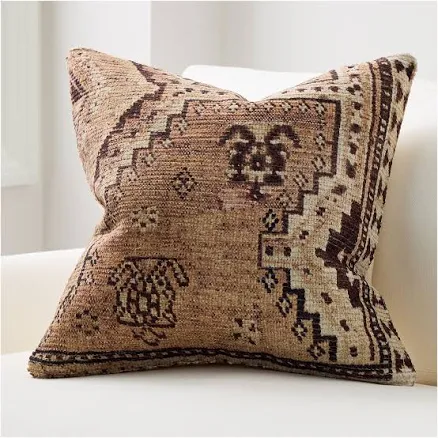
West Elm
West Elm Delia Pillow Cover
75/100 safety
Same rubric that flunked this product. The swap earned Excellent.
Still want this one anyway? Check the price on Amazon. We’d swap it.
Material
Solution-dyed acrylic with water-repellent coating treatment
Brand disclosure
Brand is silent on PFAS
Lab data
No public lab test
You may also be interested in
Top-graded picks in the categories readers replace first, every one scored on the same rubric.

- polypropylene filter housing, carbon/sediment cartridge
- We found no PFAS statement from the brand
- Bacterial growth in spent cartridges
3 hazards checked on this product, all on its full breakdown.

Aquasure
Premier Series 75 GPD Under Sink Reverse Osmosis Water Filtration System
- RO membrane, carbon filters, stainless steel housing
- We found no PFAS statement from the brand
- Bacterial and microbial growth in housing and filters
4 hazards checked on this product, all on its full breakdown.

Avocado
Vegan Mattress
- organic cotton, natural latex, coconut coir, recycled steel coils
- The brand calls it PFAS-free, which we have not verified
- Heavy metals
2 hazards checked on this product, all on its full breakdown.
What Sunbrella Fabric Throw Pillow is made of, ingredients and materials
Sunbrella throw pillows use solution-dyed acrylic fiber, meaning pigment is added before the fiber is extruded rather than applied afterward. This approach significantly reduces exposure to azo dyes and heavy metal colorants that plague post-dyed textiles. However, the fabric receives a water-repellent coating (water-repellent coating) finish to achieve Sunbrella's trademark stain and water resistance. The chemistry of that water-repellent coating treatment is undisclosed by the brand, which is the critical unknown for this product.
What’s concerning
Category baseline
The starting point for this type of product, before anything specific to this product is counted.
No PFAS disclosure
No public statement from the brand about PFAS in this product.
Waterproof / stain-resistant treatment
Water-repellent coating treatments have historically used PFAS.
Coating degradation and leaching
The water-repellent coating finish may degrade over years of sun exposure, weathering, or washing. If the coating cracks or flakes, microscopic particles or residual coating chemicals could migrate, though risk is low for pillows that are not ingested or in prolonged skin contact.
PFAS
Sunbrella's refusal to disclose water-repellent coating formulation is a known industry practice for trade-secret protection, but it prevents consumers from assessing whether short-chain PFAS, long-chain PFAS, or non-fluorinated alternatives are used. Industry reports suggest many outdoor acrylic fabrics still rely on fluorinated water repellents despite growing phase-outs.
Source, ATSDR ↗What’s reassuring
Heavy metals
Solution-dyed acrylic inherently avoids post-dyeing processes, so exposure to carcinogenic azo dyes or lead/cadmium colorants is not a recognized concern with Sunbrella's manufacturing method.
Source, FDA ↗Formaldehyde / VOCs
No evidence of formaldehyde-based resin finishes in Sunbrella acrylic fabric. The water-repellent coating treatment is distinct from formaldehyde-based wrinkle-resist or anti-microbial coatings common in cotton or polyester.
Source, ATSDR ↗Antimony in polyester
This product is acrylic, not polyester, so antimony catalyst contamination is not applicable.
How is this PFAS grade calculated?
The brand's record and disclosure
Sunbrella is owned by Glen Raven, a major performance fabric manufacturer, and is widely used in outdoor and marine applications where water resistance is essential. The brand has not publicly committed to phasing out PFAS-based water-repellent coating treatments or disclosed whether their coatings contain long-chain or short-chain fluorinated compounds. No major safety recalls or formaldehyde/azo dye controversies are on record for Sunbrella fabric itself, but the opacity around water-repellent coating chemistry is a significant transparency gap for a consumer product.
How it compares in its category
Solution-dyed acrylic pillows present lower concern than conventional polyester or cotton throws dyed with reactive or disperse dyes, which carry higher risk of azo dyes and heavy metal mordants. However, many competitors in the outdoor pillow category now disclose PFAS-free or PFOA-free water-repellent coating treatments, or use alternative water-resistance methods like silicone coatings. Sunbrella's lack of such disclosure puts this product behind the transparency curve, even though its core fiber chemistry is solid.
If you buy it
Store indoors or under cover when not in use to minimize sun weathering and potential coating degradation. Wash occasionally in cool water with mild detergent and avoid bleach, which can degrade the water-repellent coating finish and potentially mobilize coating residues. Replace the pillow if the cover shows visible cracking, peeling, or discoloration, as these indicate coating breakdown. Do not machine dry at high heat; air dry to preserve the finish and avoid any potential release of volatile compounds from the coating.
What is not known about PFAS in this product?
- Basis
- Model estimate, 45% confidence, not a lab result
- Lab test
- None on record for this exact product
- Brand statement
- Sunbrella has made none
Formulations change between production runs, so check the current label. How we grade.
What are the PFAS-free alternatives to Sunbrella Fabric Throw Pillow?
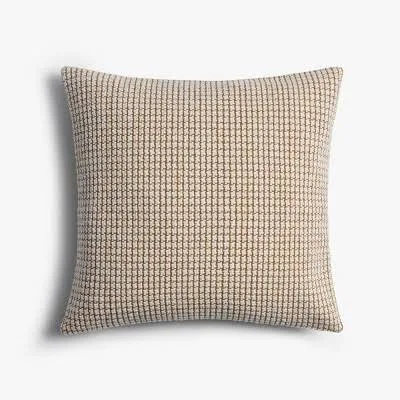
- 100% cotton cover
- We found no PFAS statement from the brand
- Azo dyes and residual dye toxins
3 hazards checked on this product, all on its full breakdown.
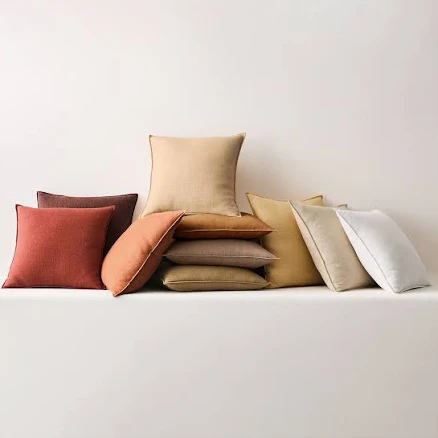
- 100% linen with no stated finish or treatment
- Residual processing chemicals (bleach, dyes, finishes)
2 hazards checked on this product, all on its full breakdown.
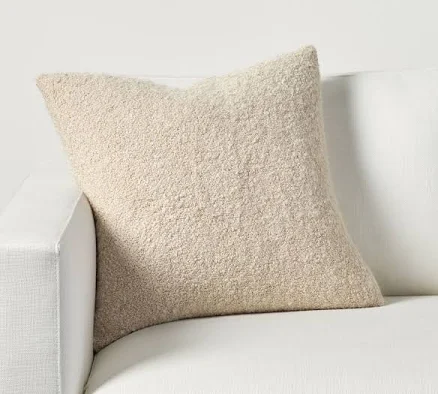
- Boucle textile (wool/polyester blend, uncoated)
- Azo dyes and synthetic colorants
2 hazards checked on this product, all on its full breakdown.
More throw pillows grades
How we score, every product runs through the same public 0-100 rubric based on materials, coatings, brand disclosure, lab findings, and recalls. See the full methodology → Spotted a mistake? Report an error.