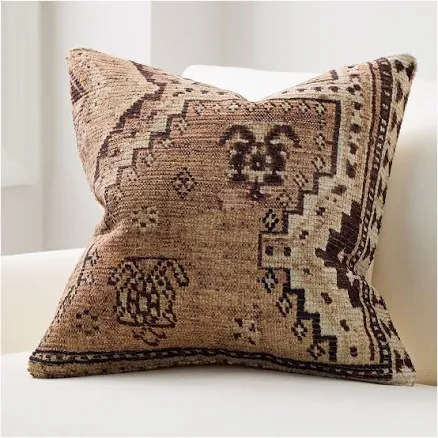
West Elm Delia Pillow Cover
Minimal PFAS concern; untreated fabric lacks water-repellent coating or stain-resistance claims typical of PFAS products.
Standard cotton or cotton-blend cover with no water-resistant or stain-resistant treatment disclosed. Untreated fabric carries minimal PFAS concern.
We flunk more products than we pass. This one earned its grade. How we grade
Material
Cotton or cotton-blend pillow cover
Lab data
No public lab test
You may also be interested in
Top-graded picks in the categories readers replace first, every one scored on the same rubric.

- polypropylene filter housing, carbon/sediment cartridge
- We found no PFAS statement from the brand
- Bacterial growth in spent cartridges
3 hazards checked on this product, all on its full breakdown.

Aquasure
Premier Series 75 GPD Under Sink Reverse Osmosis Water Filtration System
- RO membrane, carbon filters, stainless steel housing
- We found no PFAS statement from the brand
- Bacterial and microbial growth in housing and filters
4 hazards checked on this product, all on its full breakdown.

Avocado
Vegan Mattress
- organic cotton, natural latex, coconut coir, recycled steel coils
- The brand calls it PFAS-free, which we have not verified
- Heavy metals
2 hazards checked on this product, all on its full breakdown.
What West Elm Delia Pillow Cover is made of, ingredients and materials
The Delia Pillow Cover is constructed from cotton or a cotton-blend fabric without reported water- or stain-resistance treatments, which means it avoids the fluorochemical finishes (PFAS) common in performance textiles. Cotton is cellulose-based and inherently low-toxicity; blends may include synthetic fibers (polyester, linen) that add durability but carry minimal chemical load if not treated with flame retardants or antimicrobial agents. West Elm's product pages do not specify finishing chemicals, suggesting a standard, untreated weave.
What’s concerning
Category baseline
The starting point for this type of product, before anything specific to this product is counted.
No PFAS disclosure
No public statement from the brand about PFAS in this product.
Azo dyes (synthetic colorants)
The Delia cover is available in multiple colors; West Elm does not specify whether dyes meet restricted azo-dye standards. Risk of allergen-sensitizing or carcinogenic azo breakdown products is low but not ruled out without third-party testing. Washing before use mitigates residual dye transfer.
Microplastics
If the pillow cover contains polyester or poly-cotton blend, washing will release microfibers, though pillow covers shed less than apparel due to lower abrasion. Use a microfiber-catching laundry bag or ball to reduce environmental release.
Source, EPA ↗What’s reassuring
Base material not linked to PFAS
The main material recorded for this product is not one associated with PFAS.
Formaldehyde / VOCs
No wrinkle-free, flame-resistant, or antimicrobial claims are made for this product, so formaldehyde-based durable-press or antimicrobial resins are unlikely. Standard cotton may carry trace formaldehyde from manufacturing, but off-gassing risk is minimal after one wash.
Source, ATSDR ↗Flame retardants
No flame-resistant claims accompany this product, so halogenated or phosphorus flame retardants are unlikely. Pillow covers are not subject to mandatory flammability standards in the US as separate home textiles.
Source, EPA ↗Lead
No data is publicly available on pigment composition for West Elm textiles. Risk is low for consumer-grade printed or dyed cotton, but independent lab testing is not published. Darker or vivid colors carry slightly higher theoretical risk due to higher pigment load.
Source, ATSDR ↗How is this PFAS grade calculated?
The brand's record and disclosure
West Elm has not published detailed chemical disclosure policies or third-party textile certifications (such as OEKO-TEX or GOTS) for this product line. The brand does not advertise stain or water guards, which is a positive signal that PFAS-based treatments are unlikely. No significant recalls or chemical controversies specific to West Elm home textiles are on public record; the company operates under Williams-Sonoma Inc., which has a modest sustainability footprint but limited transparency on textile manufacturing inputs.
How it compares in its category
Untreated cotton pillow covers have lower concern in the category; competitors like Pottery Barn and Restoration Hardware often market performance finishes (stain resistance, wrinkle resistance) that invoke PFAS use. West Elm's lack of performance claims positions the Delia as a baseline option. Certified organic cotton alternatives (e.g., Parachute, Coyuchi) offer higher assurance but at premium price; the Delia represents a middle-ground choice.
If you buy it
Wash before first use to remove any residual sizing or dust from manufacturing. Use warm water, mild detergent, and standard laundering; no heat exposure beyond typical machine drying is expected. Check seams and stitching annually for wear, as pillow covers see repeated contact and abrasion. If the cover shows discoloration or odor that does not wash out, it may indicate mold or bacterial growth in storage and should be discarded or treated with a vinegar rinse and air-dry cycle.
What is not known about PFAS in this product?
- Basis
- Model estimate, 72% confidence, not a lab result
- Lab test
- None on record for this exact product
- Brand statement
- West Elm has made a specific claim
Formulations change between production runs, so check the current label. How we grade.
More throw pillows grades
How we score, every product runs through the same public 0-100 rubric based on materials, coatings, brand disclosure, lab findings, and recalls. See the full methodology → Spotted a mistake? Report an error.