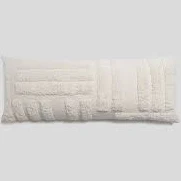
Parachute Nomad Lumbar Pillow Cover
Minimal concern; natural fabric base is reassuring, no PFAS transparency from brand.
Parachute's cotton-blend lumbar cover has no waterproofing or stain-resistance features. Material profile suggests lower PFAS concern than treated or coated options.
We flunk more products than we pass. This one earned its grade. How we grade
Material
Cotton or cotton-blend fabric cover
Brand disclosure
Brand is silent on PFAS
Lab data
No public lab test
You may also be interested in
Top-graded picks in the categories readers replace first, every one scored on the same rubric.

- polypropylene filter housing, carbon/sediment cartridge
- We found no PFAS statement from the brand
- Bacterial growth in spent cartridges
3 hazards checked on this product, all on its full breakdown.

Aquasure
Premier Series 75 GPD Under Sink Reverse Osmosis Water Filtration System
- RO membrane, carbon filters, stainless steel housing
- We found no PFAS statement from the brand
- Bacterial and microbial growth in housing and filters
4 hazards checked on this product, all on its full breakdown.

Avocado
Vegan Mattress
- organic cotton, natural latex, coconut coir, recycled steel coils
- The brand calls it PFAS-free, which we have not verified
- Heavy metals
2 hazards checked on this product, all on its full breakdown.
What Parachute Nomad Lumbar Pillow Cover is made of, ingredients and materials
The Parachute Nomad Lumbar Pillow Cover is a cotton or cotton-blend fabric, meaning it relies primarily on cellulose fiber rather than synthetic polymer chemistry. Cotton does not inherently release volatile organic compounds (VOCs) or off-gas formaldehyde in the way that foam or synthetic textiles do. The main processing concerns for cotton are residual pesticides from farming and chemical finishes applied during manufacturing (sizing, dyeing, flame retardants). Parachute's market positioning as a natural-fabric brand suggests lower reliance on synthetic treatments, though specific mill certifications are not publicly detailed.
What’s concerning
Category baseline
The starting point for this type of product, before anything specific to this product is counted.
No PFAS disclosure
No public statement from the brand about PFAS in this product.
Azo dyes and synthetic colorants
Cotton fabrics are typically dyed with azo dyes, which can release aromatic amines under sweat, friction, or heat. Parachute does not disclose dye chemistry or restrictions. Natural dyes are less common in mass-market pillow covers due to cost and durability limits.
Formaldehyde / VOCs
Cotton fabrics often receive formaldehyde-based sizing or wrinkle-resistant finishes during manufacturing to improve drape and durability. Parachute does not specify formaldehyde-free finishes. Washing before use will reduce residual exposure.
Source, ATSDR ↗Flame retardants
Pillow covers marketed in the US may contain brominated or phosphorus-based flame retardants to meet CPSC flammability standards, though natural fibers like cotton are inherently less flammable than synthetics. Parachute does not disclose flame-retardant chemistry or confirm their absence.
Source, EPA ↗Microfiber shedding over time
Cotton fabrics shed microfibers during washing and use, though at lower rates than synthetic blends. This is a laundering concern rather than a direct health hazard unless fibers are inhaled during manufacture or care, a risk primarily to factory workers.
What’s reassuring
Base material not linked to PFAS
The main material recorded for this product is not one associated with PFAS.
Heavy metals
No recalls or public warnings exist for Parachute pillow covers regarding lead, cadmium, or other heavy metals in dyes. The risk is inherent to any textile dyeing process but is generally lower in established US-market brands than in unregulated imports.
Source, FDA ↗How is this PFAS grade calculated?
The brand's record and disclosure
Parachute markets itself as a sustainability-focused home goods brand emphasizing natural materials and transparency, but the company provides no public PFAS disclosure for this product or its broader pillow line. The brand does not publish third-party testing results or material safety data sheets for consumers. No recalls or safety controversies specific to Parachute pillow covers are on record in public databases. This silence on chemical transparency is typical of the home textile industry but represents a gap in accountability for budget-conscious buyers seeking certainty.
How it compares in its category
Cotton-blend pillow covers have lower concern than polyester-fill pillows in terms of heavy synthetic chemical loads and lower concern than high-loft foam cores in terms of fire-retardant additives. They also avoid the antimony catalysts and potential heavy-metal dyes found in some polyester fabrics. However, they offer less stain resistance and water repellency than PFAS-treated synthetic alternatives, which is a trade-off for lower chemical exposure. Parachute's positioning sits above budget fast-furniture brands but below certifications like GOTS (Global Organic Textile Standard) or Oeko-Tex, where third-party chemical testing is mandatory.
If you buy it
Wash the cover before first use to reduce any residual dyes or finishes. Cold water washing is sufficient and reduces dye bleeding over time. Do not bleach, as this can degrade cotton fibers and may introduce chlorine byproducts. Replace the cover every 2-3 years if used daily, or when visible pilling, discoloration, or seam degradation occurs, as these indicate fiber breakdown and potential microfiber shedding. Avoid dry-cleaning solvents, which may introduce additional chemical exposure.
What is not known about PFAS in this product?
- Basis
- Model estimate, 72% confidence, not a lab result
- Lab test
- None on record for this exact product
- Brand statement
- Parachute has made none
Formulations change between production runs, so check the current label. How we grade.
More throw pillows grades
How we score, every product runs through the same public 0-100 rubric based on materials, coatings, brand disclosure, lab findings, and recalls. See the full methodology → Spotted a mistake? Report an error.