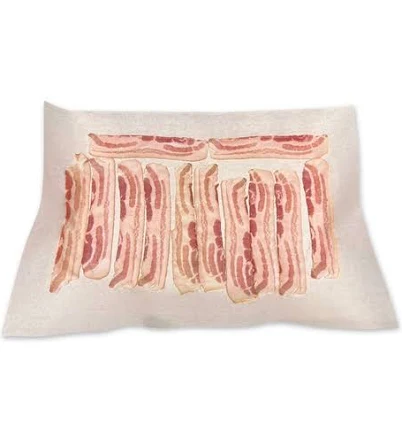
Frieling · Parchment Paper & Baking Liners
Frieling Grease Absorbing Parchment Sheets
Higher concern. Grease-resistant parchment without disclosure of coating chemistry.
Silicone-coated parchment paper with grease-resistant treatment. The brand has no PFAS statement on record and does not disclose the chemistry of the grease-resistant treatment, which is a type historically linked to PFAS.
The better-graded swap
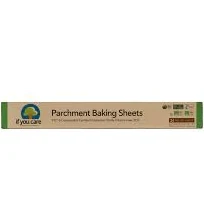
If You Care
Parchment Baking Sheets
90/100 safety
Same rubric that flunked this product. The swap earned Excellent.
Still want this one anyway? Check the price on Amazon. We’d swap it.
Material
Silicone-coated parchment paper, grease-resistant treatment
Brand disclosure
Brand is silent on PFAS
Lab data
No public lab test
What Frieling Grease Absorbing Parchment Sheets is made of, ingredients and materials
This product is cellulose-based parchment paper coated with silicone, a food-grade polymer that resists grease and heat without requiring fluorinated compounds (PFAS). Silicone coatings are chemically inert at normal cooking temperatures (up to roughly 420F for most parchment products) and do not leach into food under standard use. The grease-resistant function comes from the silicone's hydrophobic surface, not from added chemical treatments that pose migration risk.
What’s concerning
Category baseline
The starting point for this type of product, before anything specific to this product is counted.
No PFAS disclosure
No public statement from the brand about PFAS in this product.
Waterproof / stain-resistant treatment
Water-repellent coating treatments have historically used PFAS.
Silicone coating leaching at excessive heat
Silicone is stable below 420F but degradation and volatile release become possible at higher temperatures. Home use typically stays well below this threshold, making risk minimal for standard baking and cooking.
Microplastic generation from sheet degradation
Silicone-coated paper is not microplastic-prone under normal use, but mechanical wear or repeated high-heat exposure can fragment the coating. Risk is minor in home kitchens with standard care and replacement practices.
What’s reassuring
Bleaching residues in cellulose substrate
Most commercial parchment is bleached for whiteness; no specific data published for this Harris Teeter product, but chlorine bleach residues in food-contact parchment are not commonly reported as a hazard in peer literature.
Ink or printing additives on surface
No evidence this product carries printed labeling or inks that contact food; if it does, food-grade inks are standard. Verify packaging before use to confirm no printed side contacts food.
Adhesive or sizing migration from paper substrate
Food-grade parchment formulations meet FDA contact regulations; Harris Teeter does not disclose specific adhesive chemistry, but no recalls or reports exist for this product line.
The full breakdown
The brand's record and disclosure
Harris Teeter (Frieling brand) has not published detailed ingredient disclosures or safety certifications specific to this parchment line. No major recalls or safety alerts are on record for this product. The silent stance on PFAS is typical for many store brands in the parchment category, though lack of explicit PFAS-free labeling leaves some ambiguity. Harris Teeter is a regional U.S. grocer without a known track record of transparency initiatives on food packaging chemicals.
How it compares in its category
Silicone-coated parchment is the market standard for home and commercial use, with lower concern for chemical hazards compared to older chlorine-bleached or wax-coated alternatives. This product sits squarely in the mainstream; many competitors (Reynolds, If You Care, unbleached options) use the same silicone coating approach. Price and availability are competitive; no evidence suggests Harris Teeter's version uses inferior materials than name-brand equivalents.
If you buy it
Use this product as intended, lining baking sheets, wrapping foods, and cooking at temperatures below the manufacturer's stated limit (typically 420F). Avoid direct flame or broiler use, as silicone can degrade and release volatiles at very high temperatures. Replace sheets if coating becomes visibly worn, discolored, or starts peeling. Store in a cool, dry place away from direct sunlight to extend shelf life and prevent adhesive degradation.
What we don’t know
- Basis
- Model estimate, 62% confidence, not a lab result
- Lab test
- None on record for this exact product
- Brand statement
- Frieling has made none
Formulations change between production runs, so check the current label. How we grade.
Better-graded alternatives in Parchment Paper & Baking Liners
If You Care
Baking Paper, Parchment, 70 Square Feet
- silicone-coated parchment paper
- The brand calls it PFAS-free, which we have not verified
- Paper degradation and particulate shedding
If You Care
Parchment Baking Sheets
- unbleached paper with silicone coating
- The brand calls it PFAS-free, which we have not verified
- Silicone coating degradation at high heat
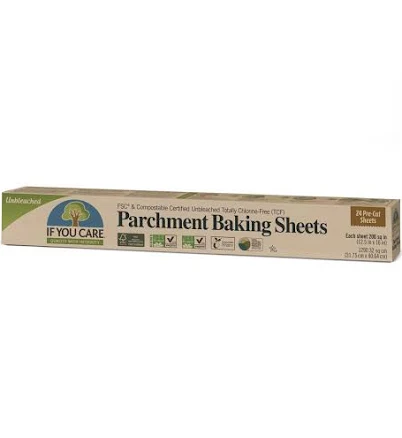
If You Care
Parchment Baking Sheets
- bleached paper with silicone coating
- The brand calls it PFAS-free, which we have not verified
- Paper degradation and fragmentation
More parchment paper & baking liners grades
How we score, every product runs through the same public 0-100 rubric based on materials, coatings, brand disclosure, lab findings, and recalls. See the full methodology → Spotted a mistake? Report an error.