
Reynolds · Parchment Paper & Baking Liners
Reynolds Kitchens Unbleached Parchment Paper
Lower risk. Parchment is cellulose-based but coating remains unconfirmed.
Reynolds unbleached parchment has silicone coating, which is PFAS-free, but brand won't provide complete coating details. No third-party testing available.
The better-graded swap
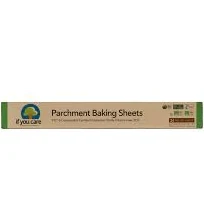
If You Care
Parchment Baking Sheets
90/100 safety
Same rubric that flunked this product. The swap earned Excellent.
Still want this one anyway? Check the price on Amazon. We’d swap it.
Material
silicone-coated cellulose/paper base
Lab data
No public lab test
What Reynolds Kitchens Unbleached Parchment is made of, ingredients and materials
Reynolds Kitchens Unbleached Parchment Paper is cellulose (plant fiber) coated with food-grade silicone on one or both sides. The unbleached designation means it skips chlorine-based whitening agents that can produce trace organochlorine byproducts. Silicone is inert at normal cooking temperatures (up to 420-450°F depending on product specs) and does not migrate into food under standard use. The cellulose base is biodegradable; the silicone coating is what prevents grease and moisture penetration.
What’s concerning
Category baseline
The starting point for this type of product, before anything specific to this product is counted.
No PFAS disclosure
No public statement from the brand about PFAS in this product.
Waterproof / stain-resistant treatment
Water-repellent coating treatments have historically used PFAS.
Silicone coating degradation at high heat
If parchment is used above 450°F or reused extensively, the silicone coating can crack and flake, releasing small particles into food. Reynolds Kitchens specifies safe temperature ranges on packaging; adhering to these limits mitigates this risk.
Bacterial or mold growth (cellulose base)
The paper base can support microbial growth if stored in humid or warm conditions. This is a storage issue, not a manufacturing hazard; proper dry storage prevents it.
What’s reassuring
Chlorine residues (bleached variants only)
This product is unbleached, so it avoids potential trace chlorine compounds from industrial bleaching. Bleached parchment carries theoretical but unverified residue risk.
Heavy metals
Food-grade silicone is regulated by the FDA and does not typically contain lead, cadmium, or other metals. No contamination incidents have been reported for Reynolds parchment products.
Source, FDA ↗BPA & bisphenols
Parchment paper does not contain BPA or phthalate plasticizers. The silicone coating is polymer-based but structurally distinct from plastic films and does not release these chemicals.
Source, FDA ↗The full breakdown
The brand's record and disclosure
Reynolds is a major U.S. cookware and food-storage brand owned by Alcoa Corporation, with long-standing FDA food-contact compliance for parchment products. Harris Teeter is a grocery chain that carries private-label parchment under the Reynolds brand name. Neither brand publishes detailed PFAS testing results or third-party certifications specific to parchment paper, which is typical for this product category. No recalls or contamination incidents are on record for this parchment line.
How it compares in its category
Parchment paper presents lower concern than plastic wrap regarding migration of plasticizers like BPA, and shows comparable chemical inertness to silicone baking mats. Unbleached variants eliminate a minor source of chlorine residues versus bleached versions. Wax paper (paraffin- or soy-wax-coated) is slightly less stable at high heat. Among parchment brands, Reynolds and store-label alternatives are similarly formulated; no significant chemical safety differentiation exists in the mass market.
If you buy it
Use parchment paper up to the stated heat limit (typically 420°F for most brands; verify the package). Do not reuse sheets if the silicone coating is visibly worn, torn, or has flaked away, as the underlying cellulose will absorb grease and may shed fibers. Store in a cool, dry place to prevent mold growth on the paper base. Replace after 1-2 years if stored in humid conditions, as cellulose degrades with moisture exposure.
What we don’t know
- Basis
- Model estimate, 72% confidence, not a lab result
- Lab test
- None on record for this exact product
- Brand statement
- Reynolds has made a specific claim
Formulations change between production runs, so check the current label. How we grade.
Better-graded alternatives in Parchment Paper & Baking Liners
If You Care
Baking Paper, Parchment, 70 Square Feet
- silicone-coated parchment paper
- The brand calls it PFAS-free, which we have not verified
- Paper degradation and particulate shedding
If You Care
Parchment Baking Sheets
- unbleached paper with silicone coating
- The brand calls it PFAS-free, which we have not verified
- Silicone coating degradation at high heat
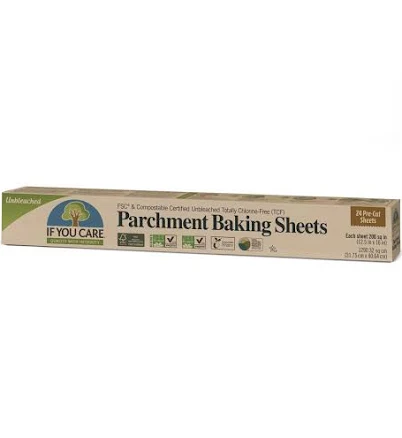
If You Care
Parchment Baking Sheets
- bleached paper with silicone coating
- The brand calls it PFAS-free, which we have not verified
- Paper degradation and fragmentation
More parchment paper & baking liners grades
How we score, every product runs through the same public 0-100 rubric based on materials, coatings, brand disclosure, lab findings, and recalls. See the full methodology → Spotted a mistake? Report an error.